
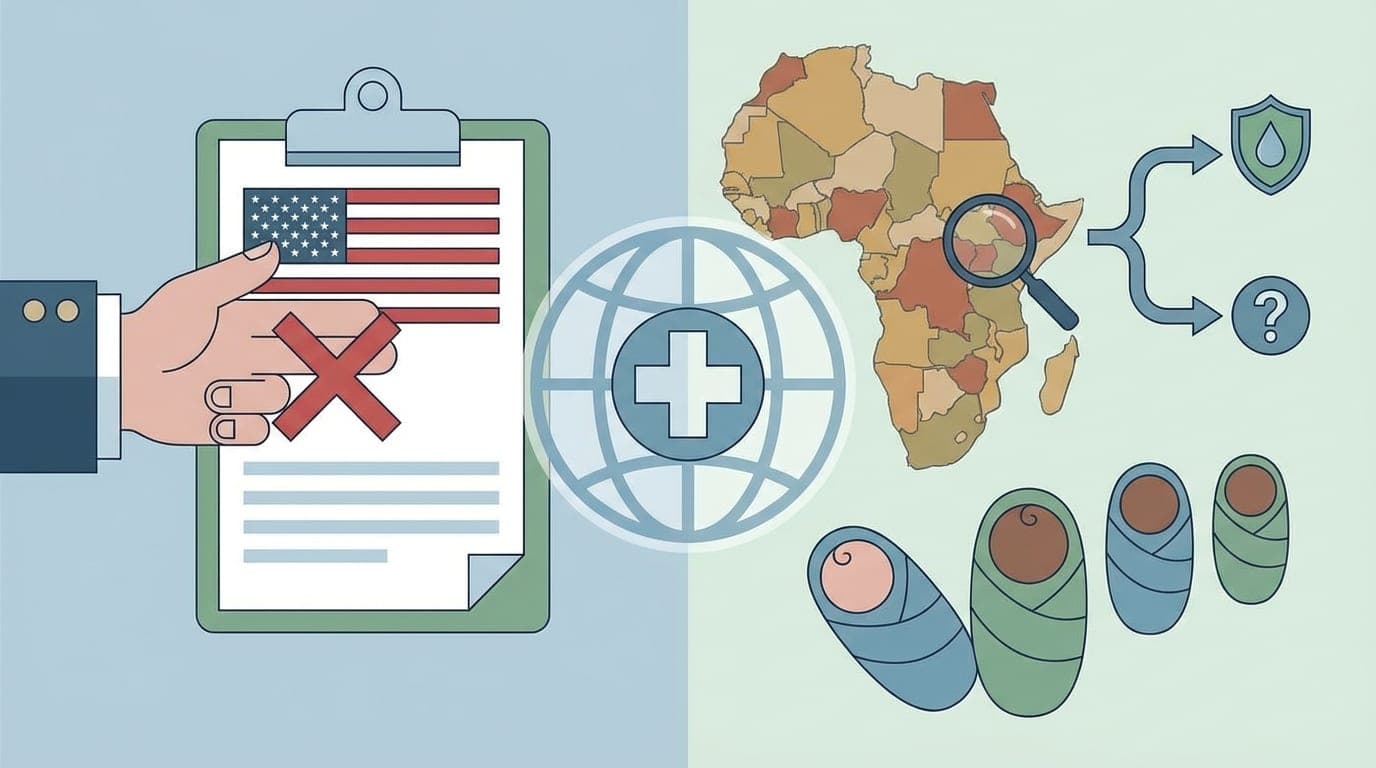
A major dispute has emerged between the WHO and the United States over a vaccine trial. The World Health Organization has condemned a US-funded study in Guinea-Bissau as unethical. The trial, funded with $1.6 million from the CDC, involves newborn babies. It was designed to test the effects of the hepatitis B birth-dose vaccine. WHO Director-General Tedros Adhanom Ghebreyesus spoke bluntly against the study.
The controversial trial planned to study approximately 14,000 newborns over five years. Half of the babies would receive the hepatitis B vaccine at birth. The other half would not receive it until six weeks of age. Researchers said this was a unique opportunity before Guinea-Bissau adopts birth-dose vaccination. However, critics argued that withholding a proven vaccine from babies is harmful.
The ethical concerns are significant because Guinea-Bissau has high hepatitis B rates. Over twelve percent of adults in the country carry chronic hepatitis B. Around ninety percent of newborns infected at birth become chronic carriers of the virus. The WHO stated that denying a proven intervention could cause irreversible harm. Many experts compared the trial to the infamous Tuskegee syphilis experiment.
Following widespread outrage, Guinea-Bissau's government suspended the study pending further review. The health minister said the local ethics committee lacked the required technical resources. The WHO has offered to help the country introduce birth-dose vaccination by 2028. This case has raised broader questions about research ethics in developing nations. It also highlights the tension between scientific inquiry and moral responsibility.