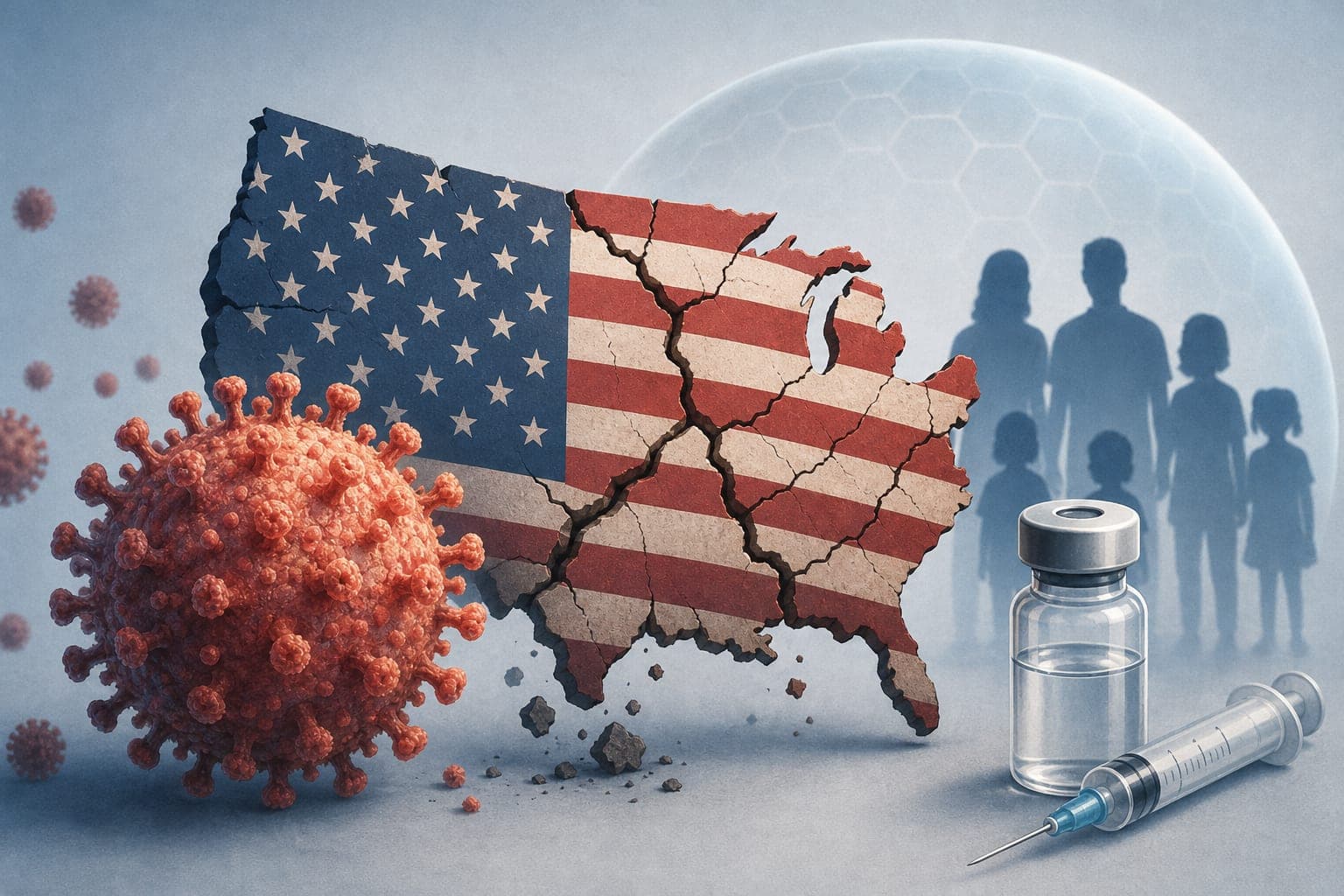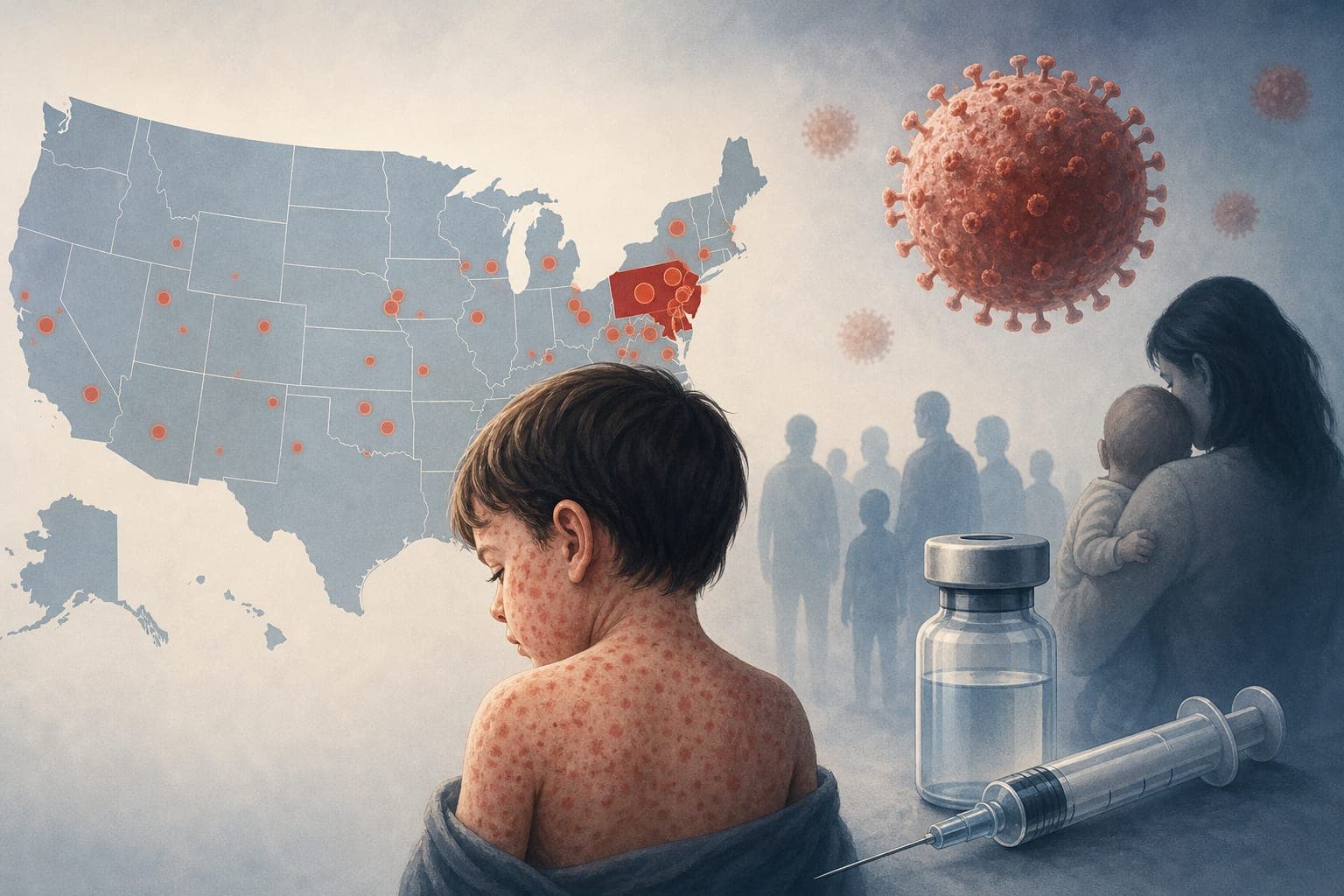
Seldom has a preventable disease reasserted itself with such alarming speed in a developed nation. The United States is confronting its most severe measles outbreak since 1991. Over 5,400 confirmed cases have been reported nationwide in 2026. Pennsylvania remains the epicentre, with 1,589 cases across 46 counties and eight confirmed deaths. This resurgence has prompted widespread concern among epidemiologists and policymakers alike.
The underlying cause of this crisis is a steady erosion of vaccination coverage. National immunisation rates among kindergarteners fell from 95.2% in 2019 to 92.4% in 2026. While this decline may appear modest, it falls below the critical threshold of 95% required for herd immunity. Communities with substantially lower rates have proven especially susceptible to rapid transmission. Nearly all confirmed cases involved individuals who were unvaccinated.
In November 2026, the Pan American Health Organization declared that the United States had officially lost its measles elimination status. This designation, first achieved in 2000, signified that continuous domestic transmission had been interrupted. The loss reflects over twelve months of uninterrupted viral circulation across multiple states. Bolivia and Mexico also lost their elimination status during the same review period.
The consequences of this outbreak extend beyond immediate morbidity and mortality. Researchers estimate that the 2026 cases alone will cost more than ninety-three million dollars. Furthermore, the loss of elimination status diminishes the nation's credibility as a global leader in immunisation. Public scepticism toward vaccines, compounded by inconsistent governmental messaging, has exacerbated the challenge considerably.
Regaining elimination status will require a concerted, multifaceted effort over several years. Experts suggest that interrupting endemic transmission for at least twelve consecutive months is essential. Strengthening surveillance systems and closing vaccination gaps in vulnerable communities must be prioritised. Had vaccination rates been maintained at previous levels, this outbreak could have been averted entirely. The measles crisis thus serves as a sobering reminder of how fragile public health achievements can be.