Seldom has a major technology company undertaken such a deliberate, research-driven approach to integrating artificial intelligence into healthcare. On November 15, 2026, Apple announced the Apple Health AI Usage Study in the United States. Developed in collaboration with OpenEvidence, a prominent clinical AI platform, the initiative seeks up to 200,000 participants. Rather than rushing to deploy consumer-facing features, Apple has opted for a methodical investigation first.
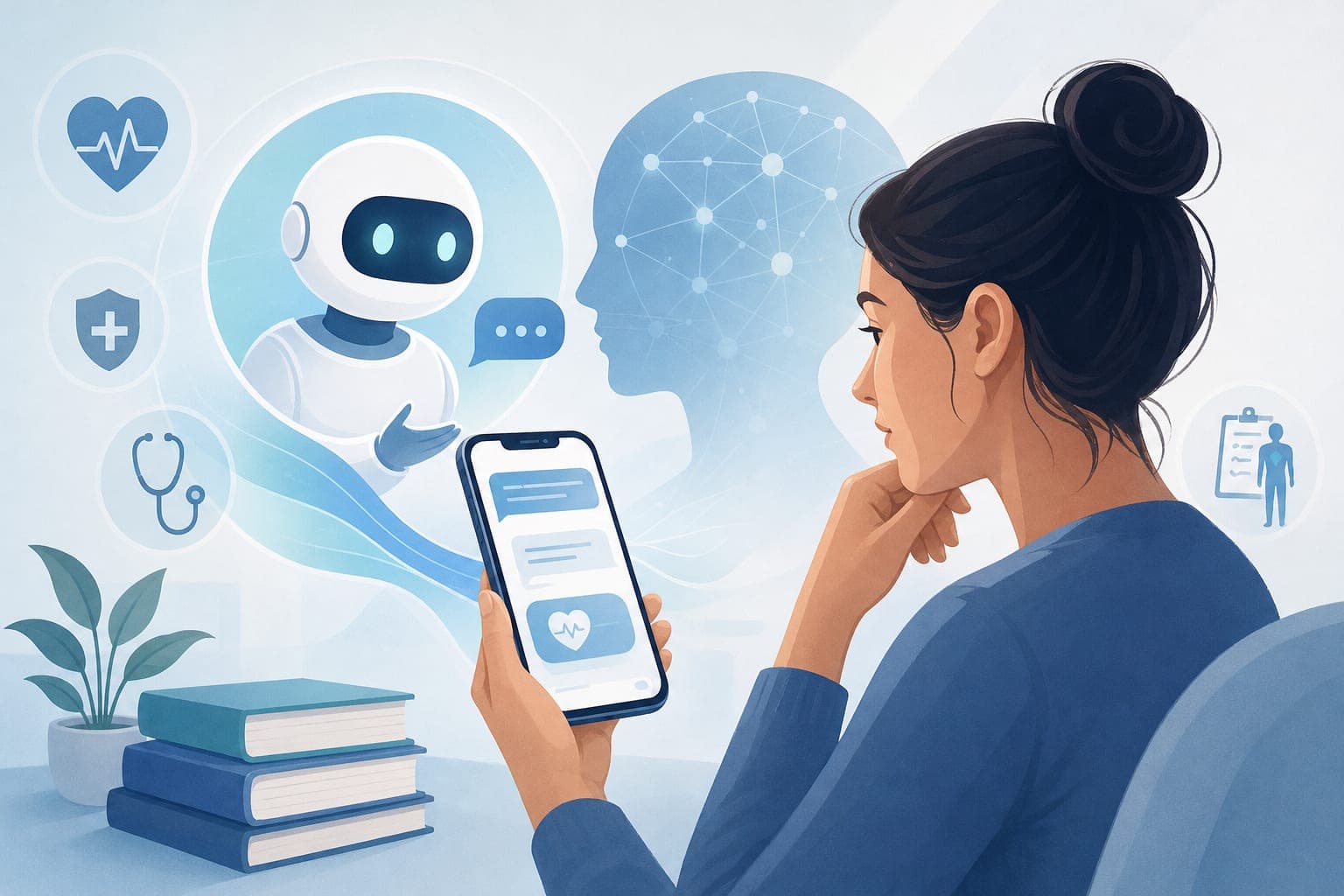
The dedicated study app allows participants to pose everyday health questions and receive clinically grounded responses. These answers draw upon peer-reviewed sources, including The New England Journal of Medicine, JAMA, and Nature. What distinguishes this tool from conventional chatbots is its emphasis on transparent, citation-backed medical information. Participants can also optionally share Apple Health data such as resting heart rate, sleep patterns, and lab results.
Central to the study's objectives is the examination of user trust in AI-generated health content. Apple aims to understand what drives comprehension, how response quality influences behaviour, and whether AI can facilitate appointment preparation. Sumbul Desai, Apple's vice president of Health and Fitness, characterised the research as essential for responsible design. The study also includes safeguards that flag concerning queries and recommend consulting a clinician.
Privacy considerations have been woven into the study's architecture with notable rigour. Apple has confirmed that participant data will be anonymised before transmission to a secure third-party cloud provider. Crucially, the collected data will not be utilised to train any AI models. Furthermore, questions and answers are not retained, addressing a pervasive concern among users of health-oriented AI tools.
The broader implications of this initiative extend well beyond Apple's own product ecosystem. By publishing findings on how individuals engage with health AI, Apple could establish benchmarks for the entire industry. It remains unclear whether AI-powered health features will eventually be integrated into Siri or the standard Health app. Nevertheless, this research-first strategy signals a paradigm shift in how technology companies approach digital healthcare innovation.