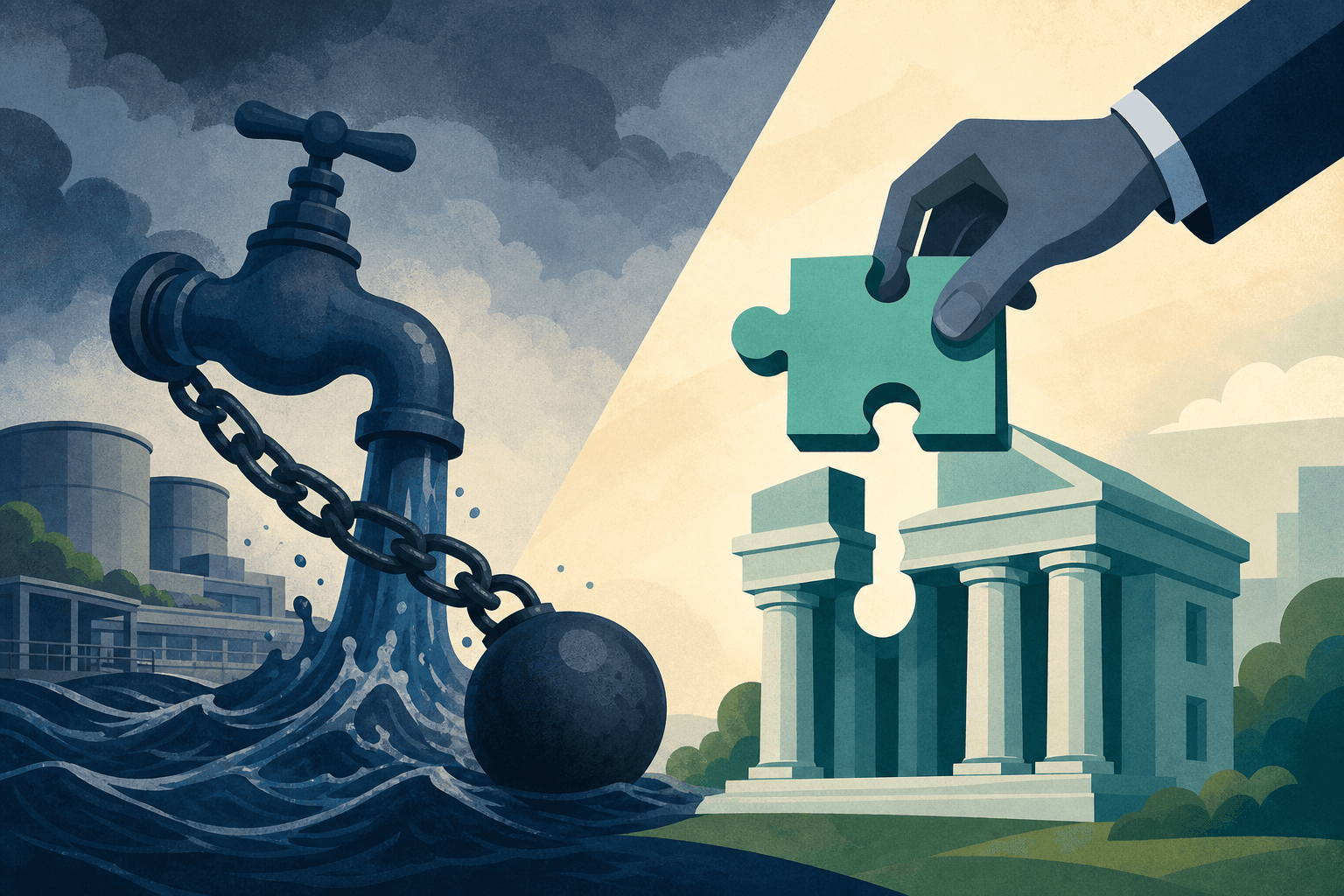
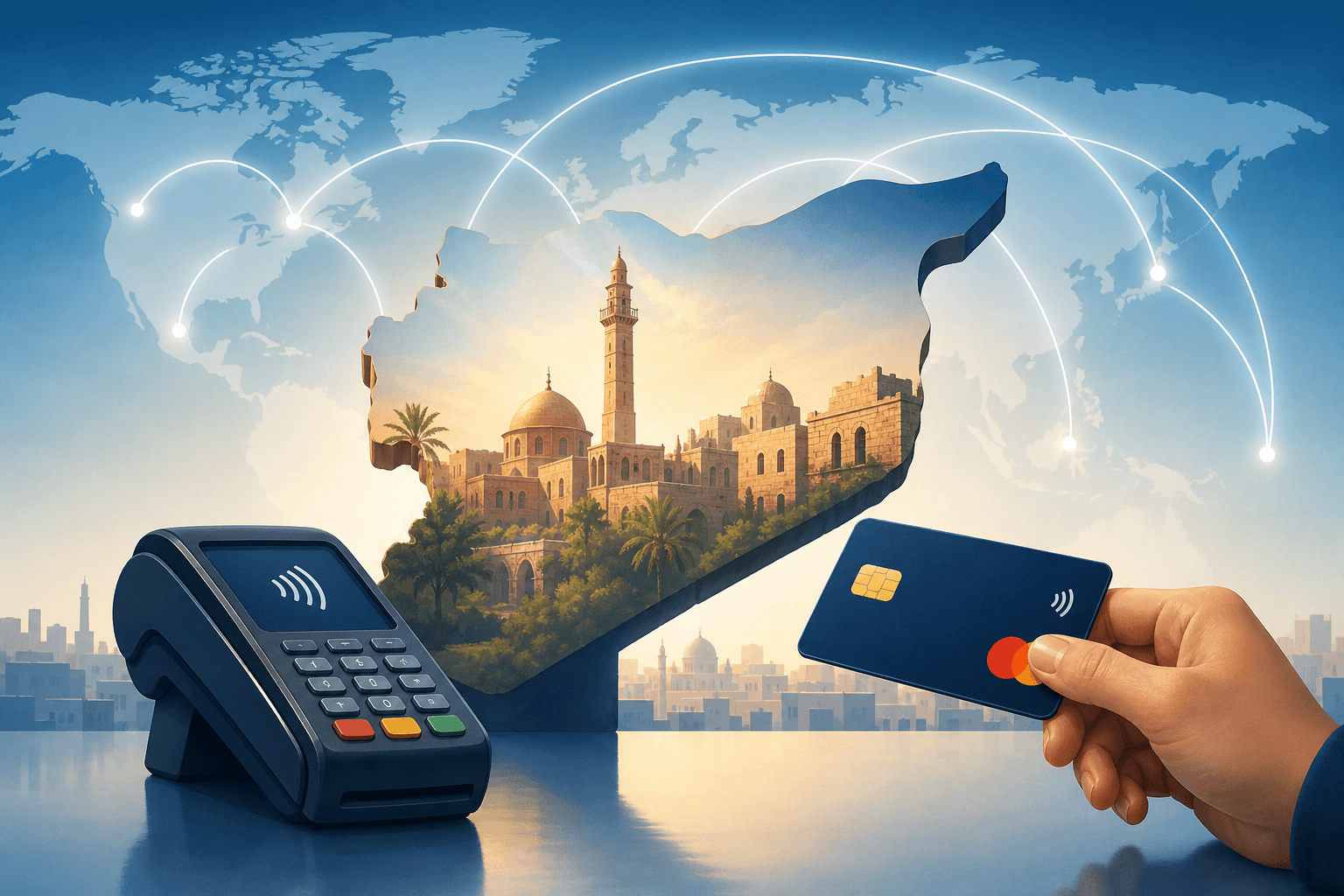
Seldom has a geopolitical shift unlocked such immediate commercial consequences as Syria's removal from the U.S. terrorism list. On August 25, 2026, Washington formally rescinded the designation that had been in place since 1979. Within days, Visa and Mastercard announced that international card payments could now be processed inside Syria. This milestone signals the beginning of Syria's reintegration into the global financial architecture.
The first transactions were facilitated through Paymera, a Syrian payments technology company owned by the state's sovereign fund. Qatar's QNB Group completed what it described as the world's first end-to-end international card payment in Syria. Syrian President Ahmed al-Sharaa personally participated in Visa's inaugural test at a Damascus restaurant. These symbolic gestures underscore the strategic importance both governments and corporations attach to this market opening.
Despite the symbolic breakthrough, formidable structural hurdles remain before Syria can build a functioning digital payments ecosystem. The country remains overwhelmingly cash-based after more than a decade of devastating civil war. Full restoration of international banking relationships will require advances in compliance, governance, and cybersecurity. Moreover, Syria's continued presence on the FATF grey list for weak anti-money-laundering controls complicates matters.
Mastercard has positioned itself as an early investor, having signed a memorandum of understanding with Syria's Central Bank in September 2025. This agreement encompasses infrastructure development for digital payment systems, financial inclusion initiatives, and knowledge-sharing workshops. Visa similarly began its rollout in December 2025, conducting workshops with Syrian financial institutions before the formal authorization. Both companies evidently perceive long-term strategic value in establishing first-mover advantage in this nascent market.
For Syria's broader economic recovery, the implications extend well beyond card payments. The delisting eliminates what Damascus called the last major impediment to foreign investment and economic reconstruction. Bank of America executives have already held preliminary talks with Syria's Finance Ministry regarding potential cooperation. Should these financial corridors prove viable, Syria may leapfrog legacy infrastructure and build a modern, digital-first economy.