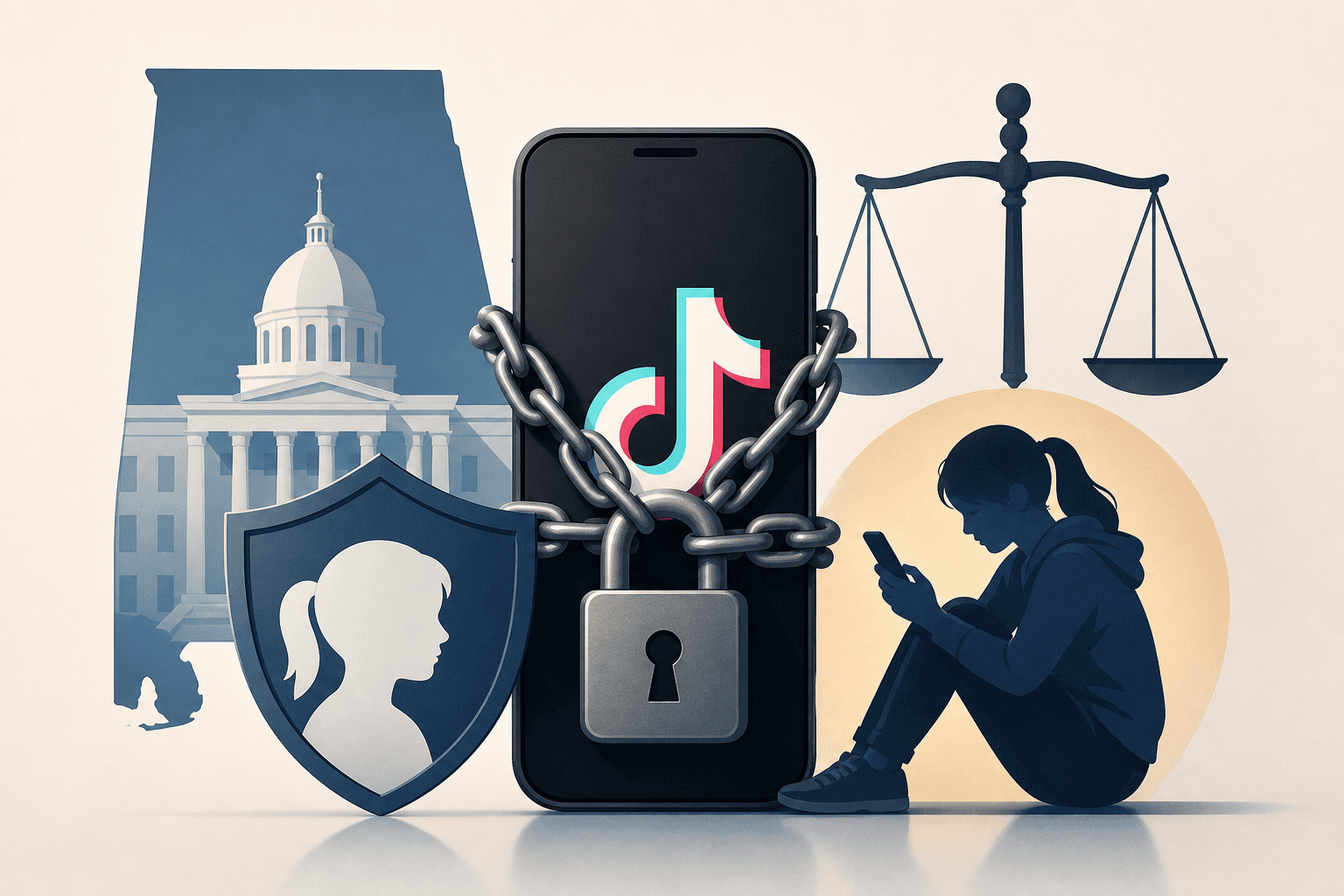
Seldom has a single state-level settlement carried such profound implications for the social media industry. TikTok and its parent company ByteDance have agreed to pay Alabama a minimum of $100 million. The landmark deal also mandates sweeping operational changes to protect underage users. This precedent-setting agreement was reached just days before a jury trial was scheduled to commence.
The settlement resolves allegations that TikTok deliberately engineered addictive features targeting young users. Alabama's Attorney General Steve Marshall accused the platform of misleading consumers about its safety provisions. State investigators posing as teenagers reportedly encountered harmful content despite activating Restricted Mode. TikTok did not admit any wrongdoing as part of the agreement.
Under the terms, TikTok must impose a two-hour daily usage cap for minors in Alabama. The platform will also restrict overnight access between midnight and six in the morning. Additional stipulations include mandatory pauses after fifteen minutes and bans on cosmetic filters for children. Enhanced age-verification measures and non-personalized content feeds for teens are also required.
The financial exposure extends well beyond the initial payment. Should TikTok fail to comply with the settlement's conditions, penalties could escalate to $300 million. This follows an $18 billion settlement Meta reached with U.S. states over comparable allegations. At least twenty-seven other states have filed similar litigation against TikTok, amplifying the fiscal liability.
From a strategic standpoint, this settlement fundamentally alters the calculus for platform monetization of younger demographics. Engagement-driven algorithms have long underpinned social media revenue models. However, mounting regulatory scrutiny now compels companies to reconcile profitability with ethical obligations. The industry's capacity to adapt will determine its long-term viability in an evolving regulatory landscape.