
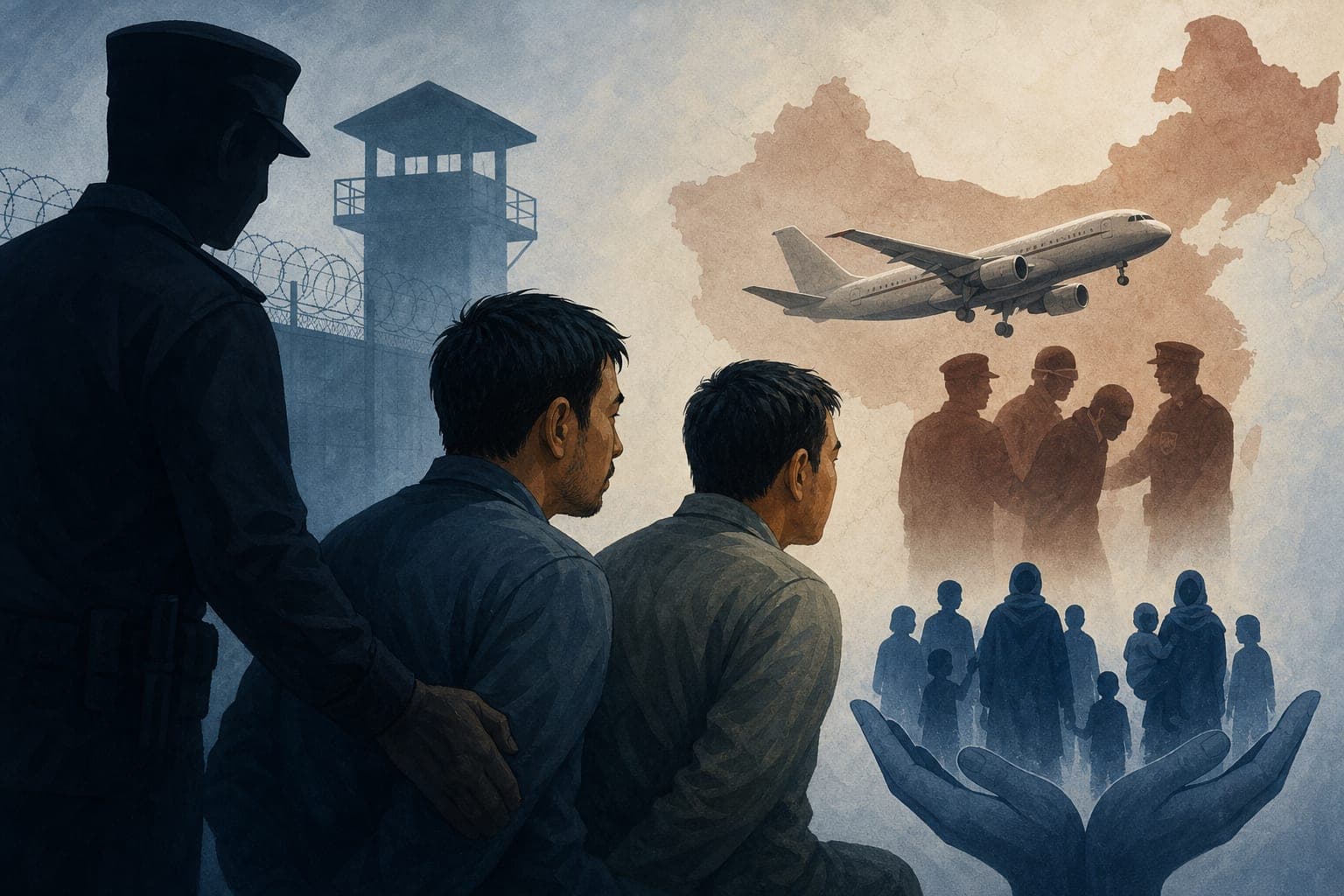
Seldom has the tension between diplomatic relations and human rights obligations been so starkly illustrated. Two Uyghur men, detained in Thailand for over a decade, now face imminent deportation to China. Human rights organisations have issued urgent appeals to halt their forced return. The men have informed legal representatives that they fear torture and death if sent back. Their plight has drawn international scrutiny at a critical moment.
The two men belong to a group of over three hundred Uyghurs apprehended in Thailand in March 2014. They had fled persecution and discrimination in China's Xinjiang Uyghur Autonomous Region. In October 2026, they were transferred to an immigration detention centre following a royal pardon. Under Thai immigration law, they face deportation unless resettled in a third country. China has formally requested their repatriation through diplomatic channels.
This case is not without precedent. Thailand deported approximately one hundred Uyghurs to China in 2015, provoking widespread condemnation. In February 2025, another forty Uyghur men were forcibly returned despite appeals from United Nations experts. The fate of those previously deported individuals remains largely unknown. No credible independent monitoring of their wellbeing has been conducted since their return.
At the core of this crisis lies the principle of non-refoulement, a cornerstone of international refugee law. This principle prohibits governments from returning individuals to countries where they face serious harm. Thailand's own domestic legislation explicitly forbids deportation where substantial risks of torture exist. Nevertheless, critics argue that Bangkok has repeatedly yielded to diplomatic pressure from Beijing. The UN has concluded that abuses against Uyghurs in Xinjiang may constitute crimes against humanity.
The implications of this case extend far beyond Thailand's borders. Multiple countries have deported Uyghurs under Chinese pressure, undermining the global refugee protection framework. Amnesty International has emphasised that no diplomatic assurance can override legal obligations against refoulement. As Thailand faces its Universal Periodic Review at the UN Human Rights Council, international pressure continues to mount. Whether these two men find safety will signal the strength of international commitments to human rights.