Seldom has a public health milestone been reversed so dramatically. The Pan American Health Organization has officially revoked the United States' measles elimination status. This designation, first conferred in 2000, signified that sustained domestic transmission of the virus had ceased. Its revocation marks a profound setback for a nation once regarded as a public health powerhouse. The determination follows an assessment that the same measles strain has circulated continuously for over twelve months.
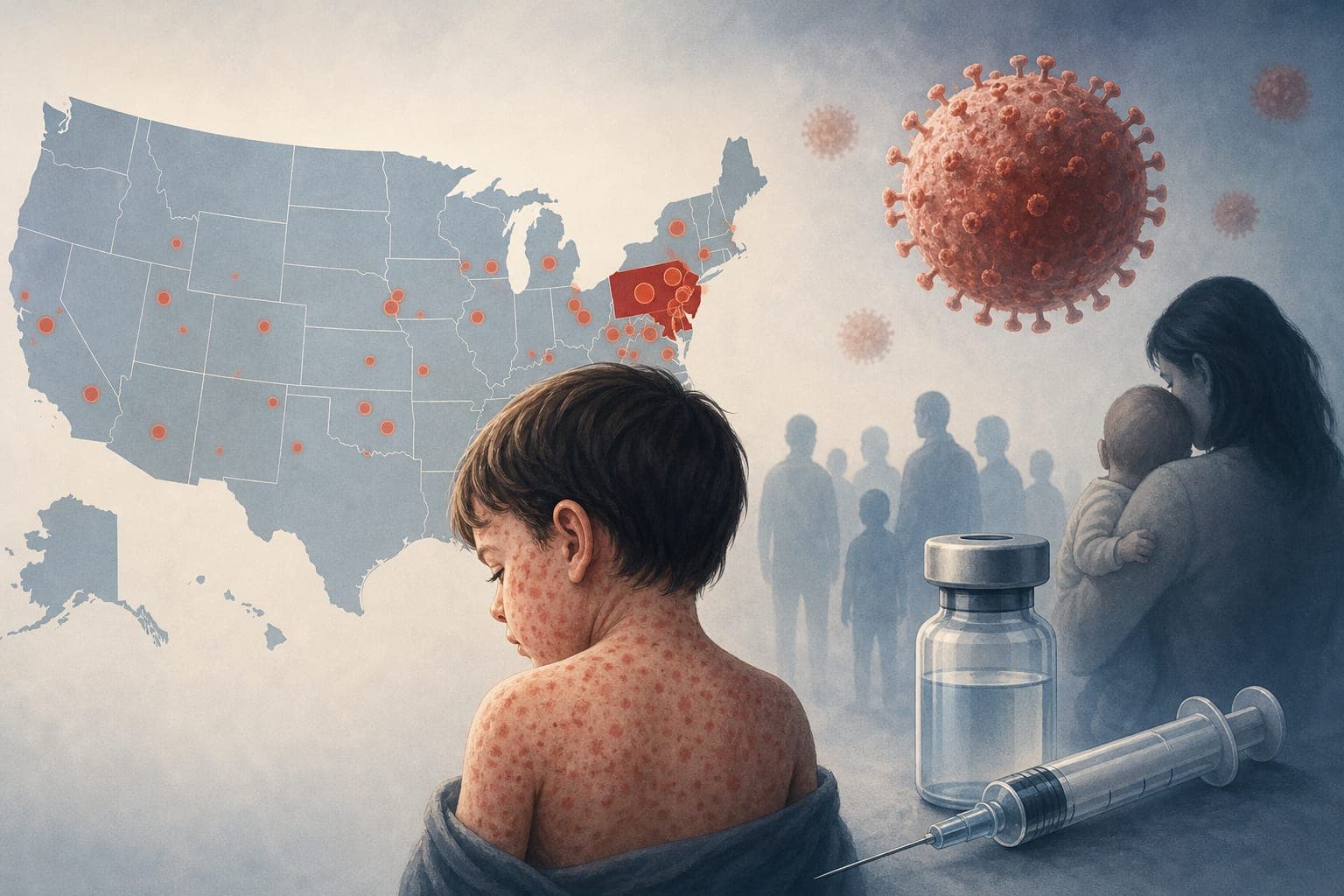
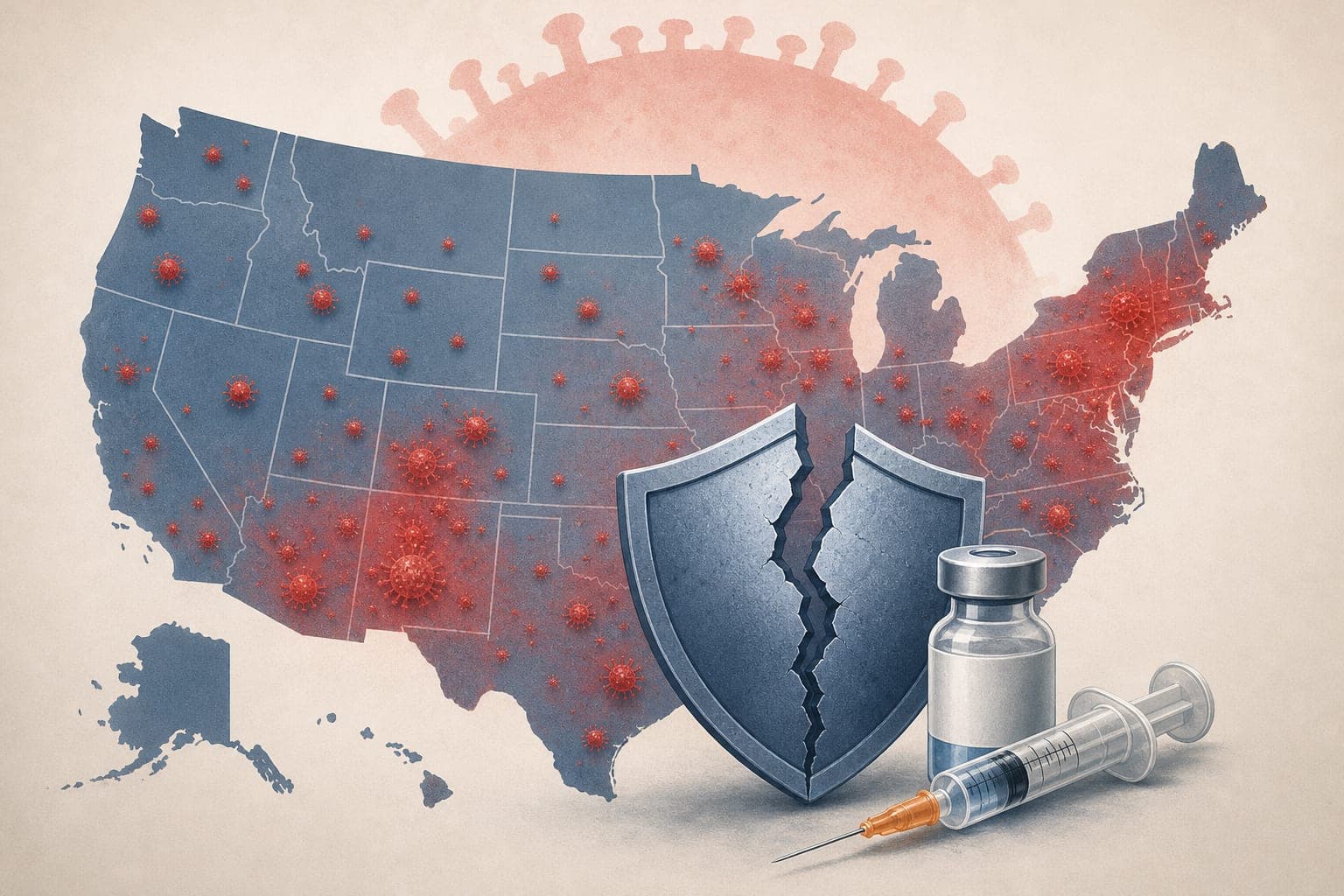
The epidemiological data underpinning this decision are stark. As of November 2026, more than 5,100 confirmed measles cases had been reported across 45 states. This figure represents the highest annual tally in over three decades, surpassing levels not seen since 1991. At least ten measles-associated deaths have been recorded in 2026, with Pennsylvania bearing a disproportionate burden. The resurgence began with a major outbreak in West Texas in January 2025 and subsequently proliferated nationwide.
Declining vaccination rates constitute the predominant driver of this crisis. National kindergarten MMR vaccination coverage fell from 95.2 percent in 2019 to 92.5 percent by 2025. This seemingly modest decline is consequential because measles requires approximately 95 percent population immunity to prevent sustained transmission. Only ten states reported vaccination rates above this critical threshold among kindergarteners in the most recent academic year. Experts attribute falling immunization uptake to eroding public trust, vaccine hesitancy, and pandemic-related disruptions.
The United States is not alone in confronting this predicament. Canada lost its elimination status in late 2025 following a protracted multi-provincial outbreak. The United Kingdom and Spain have similarly forfeited their designations amid rising case counts. These concurrent reversals underscore a broader global vulnerability to resurgent infectious diseases. The phenomenon illustrates how interconnected public health systems remain susceptible when immunization coverage wanes even marginally.
Regaining elimination status will prove neither swift nor straightforward. A country must demonstrate that outbreak transmission has been interrupted for at least twelve consecutive months. Public health authorities have emphasized the imperative of bolstering vaccination campaigns and restoring institutional credibility. The implications extend beyond measles, as declining immunization rates jeopardize protection against other vaccine-preventable diseases. Whether the nation can marshal the collective resolve to reverse this trajectory remains an open question.