
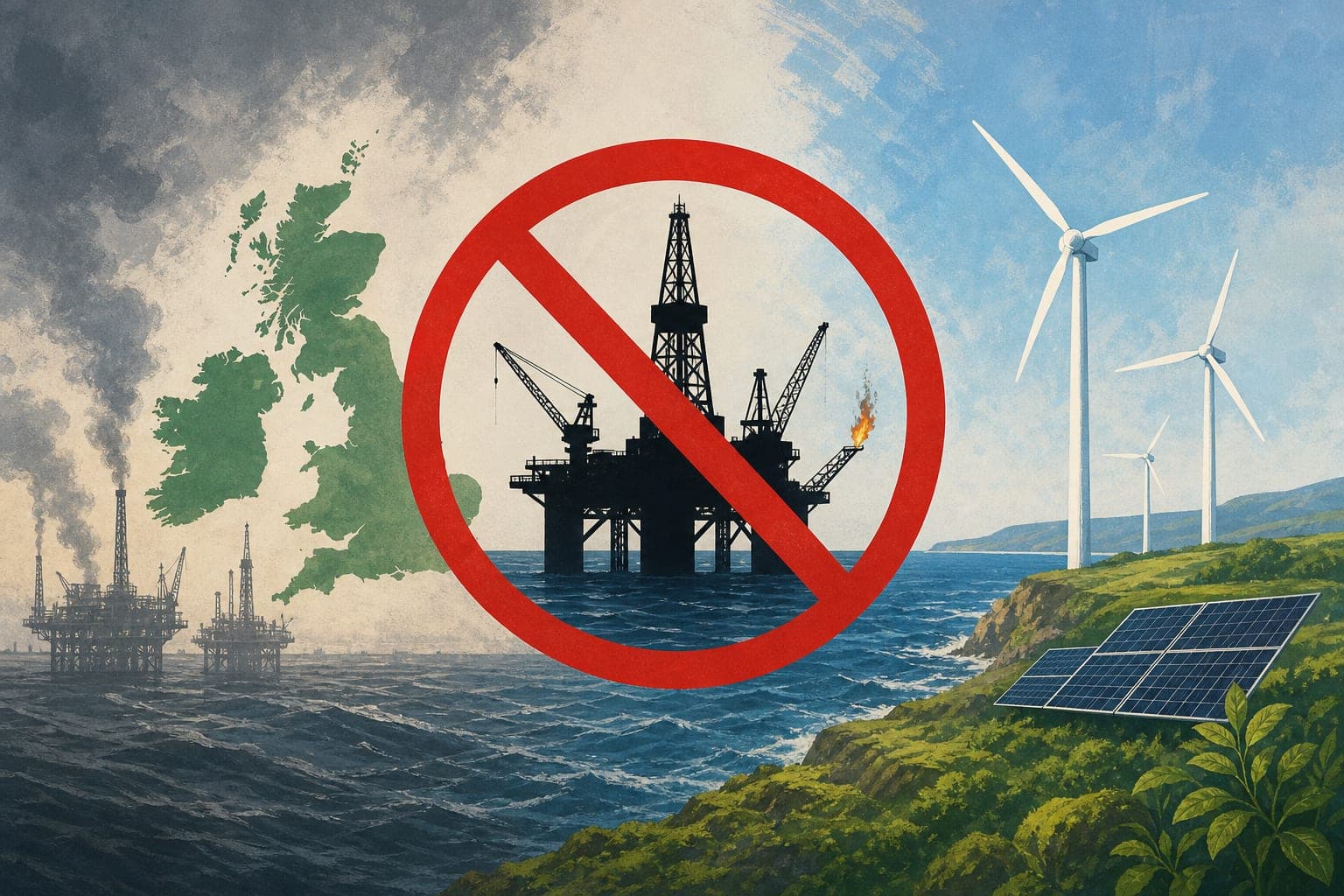
Seldom has a single piece of energy legislation provoked such polarised debate across the United Kingdom. The government has introduced the Energy Independence Bill, which would permanently ban new oil and gas exploration licences in the North Sea. This landmark legislation fulfils a key manifesto pledge made by the Labour Party in 2024. By enshrining the moratorium into law, ministers aim to accelerate the nation's transition toward renewable energy sources.
Proponents of the ban contend that phasing out fossil fuel extraction is imperative for meeting international climate targets. They argue that the North Sea is a mature basin where new drilling would yield only marginal additional production. Government projections indicate that gas output could decline by ninety-seven percent and oil by ninety-one percent by 2050. Supporters further maintain that domestically extracted oil, sold on global markets, would neither reduce household bills nor bolster energy security.
Conversely, critics have denounced the policy as economically reckless and detrimental to energy sovereignty. Industry representatives warn that the ban could devastate regional economies, particularly in northeast Scotland. Aberdeen, long regarded as the epicentre of Britain's offshore sector, faces an uncertain future. Trade bodies estimate that nearly one thousand direct and indirect oil and gas jobs are being lost each month.
The geopolitical context renders this decision all the more contentious. Rising oil prices and supply chain disruptions have intensified pressure on the government to reconsider its stance. Norway, which operates in the same North Sea basin, has recently reopened previously shut gasfields to address global supply constraints. Opposition parties have pledged to overturn the ban should they enter government, underscoring the divisive nature of the policy.
Ultimately, the Energy Independence Bill encapsulates a fundamental tension in contemporary policymaking. Balancing environmental imperatives against economic stability and energy security remains an enormously complex undertaking. Whether renewable industries can absorb the specialised workforce displaced by fossil fuel decline is yet to be determined. The outcome of this legislative endeavour will have profound ramifications for the United Kingdom's energy trajectory for decades to come.