
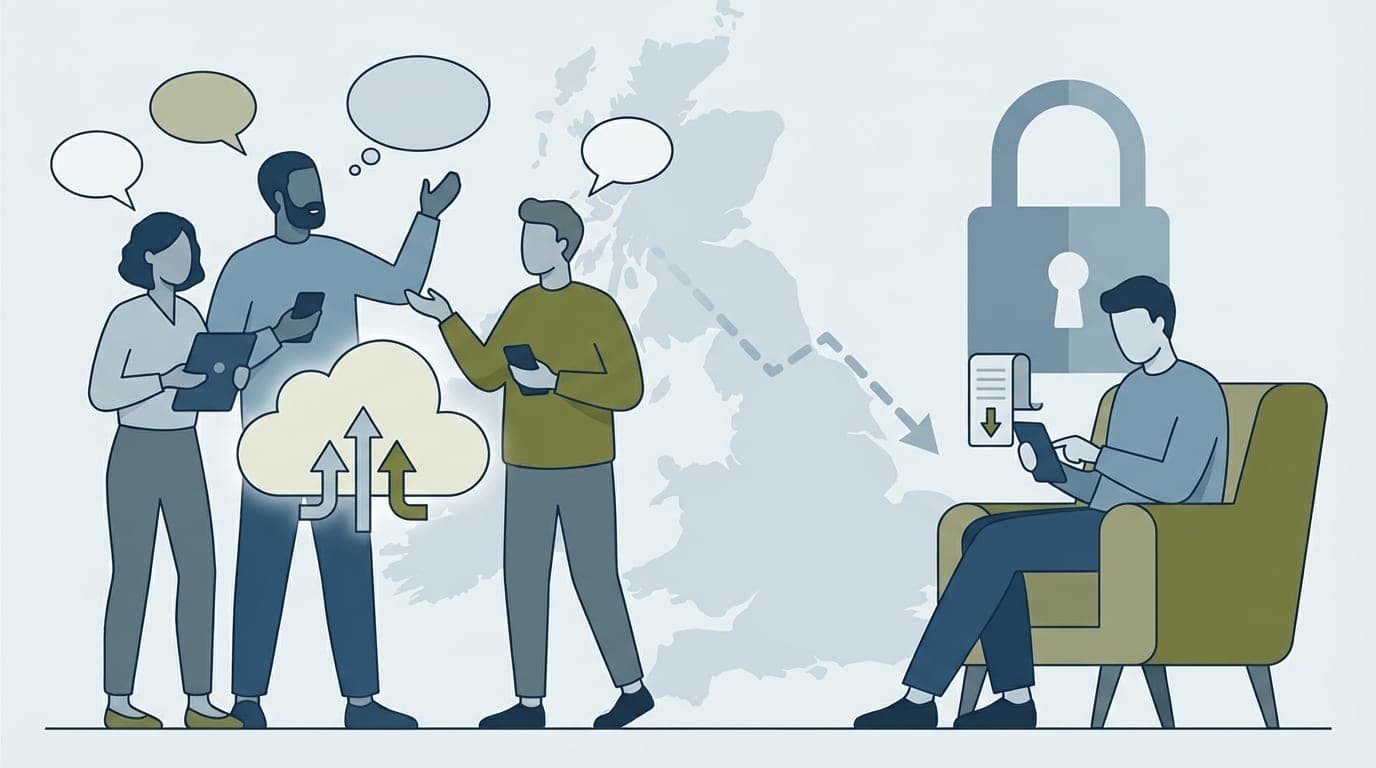
A significant shift in social media behaviour has been identified by the United Kingdom's communications regulator, Ofcom. According to its latest annual survey, only 49% of UK adults now actively post online. This represents a notable decline from 61% the previous year. The survey gathered responses from 7,533 adults aged 16 and over between September and November. Researchers have concluded that social media use is becoming increasingly passive and circumspect.
The rise of short-form video content has been identified as a primary driver behind this behavioural change. Platforms such as TikTok and features like Instagram Reels have fundamentally transformed how users interact online. Social media expert Matt Navarra argued that platforms had become algorithmic, video-first entertainment systems. He suggested that people have not abandoned social media but have become more intentional about participation. Users are increasingly consuming content created by influencers rather than sharing their own experiences.
Growing concerns about digital footprints have also contributed to the decline in active posting. Ofcom found that 49% of adults now worry that past posts could cause future problems. This figure had risen from 43% the previous year. Furthermore, only 59% of respondents believed that the benefits of being online outweigh the risks. Had platforms prioritised user privacy earlier, this erosion of trust might have been prevented.
Despite reduced posting activity, social media usage itself remains remarkably widespread across the population. Approximately 89% of adult internet users still access at least one social media platform regularly. However, many users have shifted towards temporary content, such as Instagram Stories, rather than permanent posts. Two-thirds of respondents admitted they sometimes spend excessive time on their devices. These findings suggest that the fundamental relationship between individuals and social media is being redefined.