
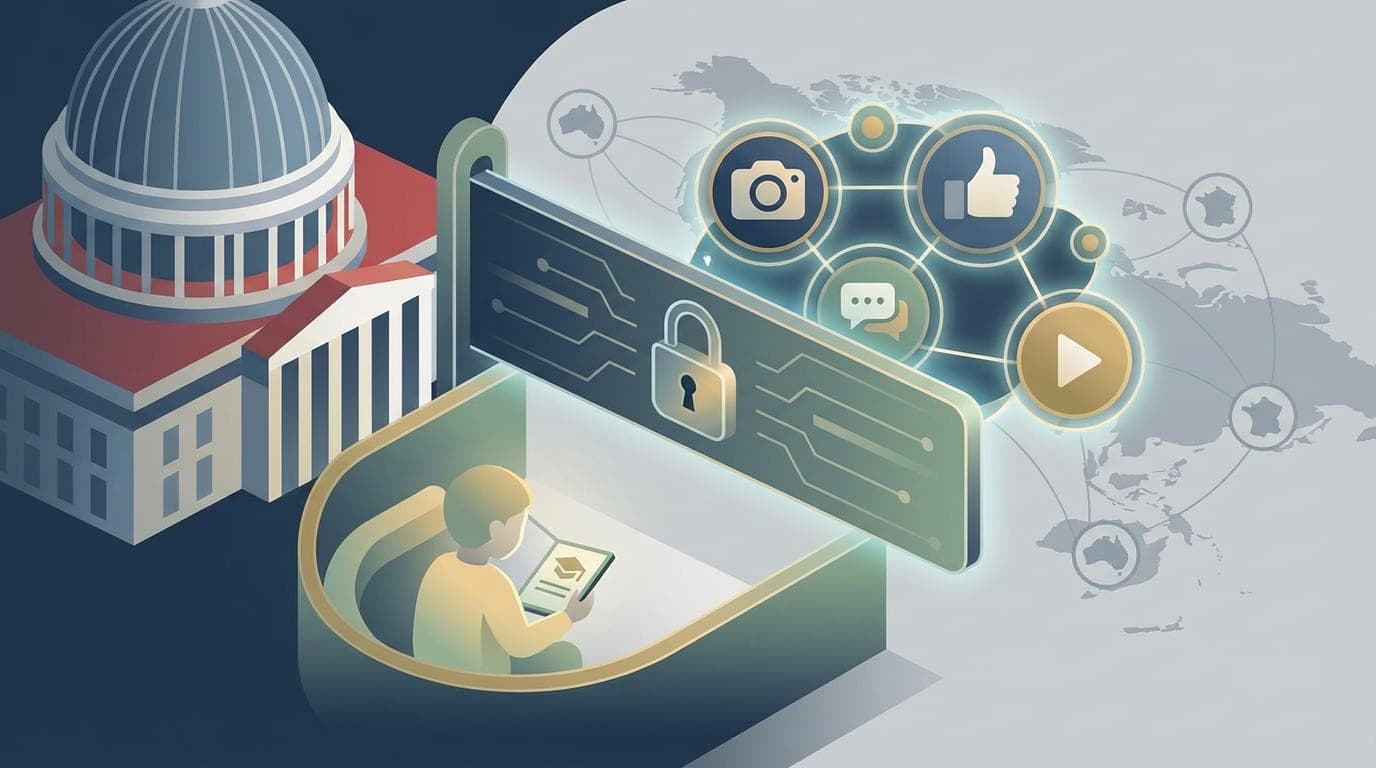
Turkey's ruling party has submitted a draft bill to ban social media for children under fifteen. The proposed legislation would require platforms to implement age-verification systems. It would also mandate parental control tools for older teenagers. This bill reflects growing international concern about social media's impact on young people. Had governments acted sooner, the current debate might have been less contentious.
Under the proposed regulation, social media companies would face significant penalties for noncompliance. Platforms that fail to enforce the restrictions could be fined up to three percent of global revenue. Additionally, harmful content would need to be removed within one hour in emergencies. Companies would be given six months to comply once the law takes effect. The bill also extends oversight to online gaming platforms.
Turkey is not alone in pursuing such measures. Australia had already implemented a ban for users under sixteen in late 2025. France, Spain, and Denmark are considering similar legislation targeting young social media users. Critics argue that blanket bans may be circumvented by technologically skilled adolescents. Some researchers suggest that digital literacy education could be more effective than prohibition.
The debate surrounding these restrictions remains highly polarised among experts. Research has linked social media use to increased rates of anxiety and depression in adolescents. However, other studies indicate that the relationship between screen time and mental health is complex. Some evidence suggests social media can provide valuable connections for isolated young people. Policymakers must therefore weigh child protection against the potential drawbacks of strict regulation.