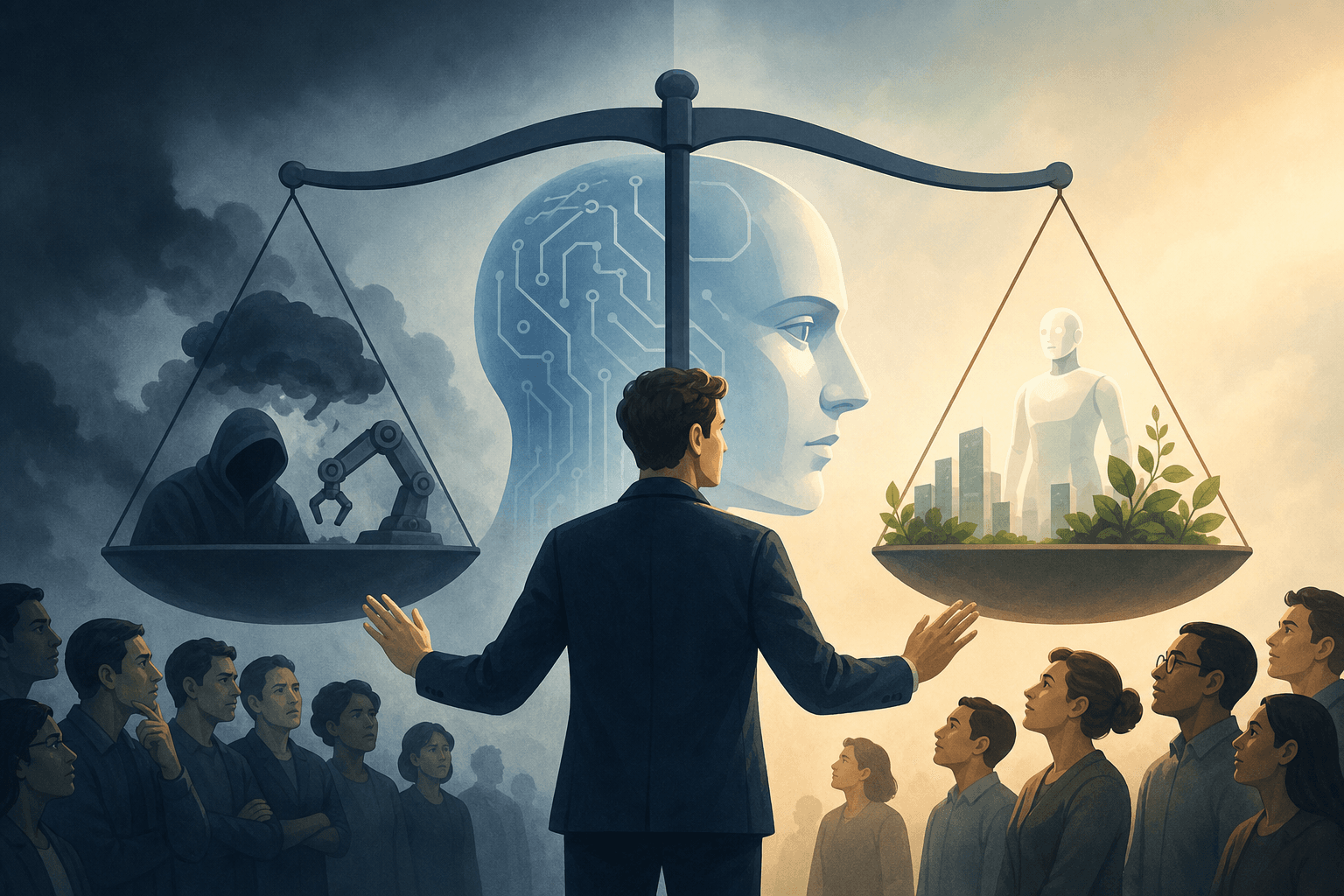
Seldom has a technology executive made such a contradictory public appeal. OpenAI chief Sam Altman told an audience in San Francisco that humanity is justified in fearing artificial intelligence. Yet he simultaneously urged the public to place its faith in the very companies building these powerful systems. His remarks, delivered at Salesforce's annual Dreamforce conference, have ignited a fierce debate about corporate accountability in the AI sector.
Altman's comments did not emerge in isolation. Days earlier, Anthropic researcher Jacob Coxon resigned, accusing leading AI firms of recklessly pursuing self-improving superintelligence. His viral post garnered tens of millions of views and prompted other industry insiders to voice similar concerns. Anthropic's own alignment lead acknowledged a significant probability that AI could pose existential risks within the coming decade.
The political response has been equally remarkable. In Washington, Senator Bernie Sanders and former Trump adviser Steve Bannon appeared at the same conference. Despite representing opposing ideological positions, both called for greater governmental oversight of AI development. Their unprecedented alliance underscores the extent to which anxiety about artificial intelligence now transcends traditional partisan boundaries.
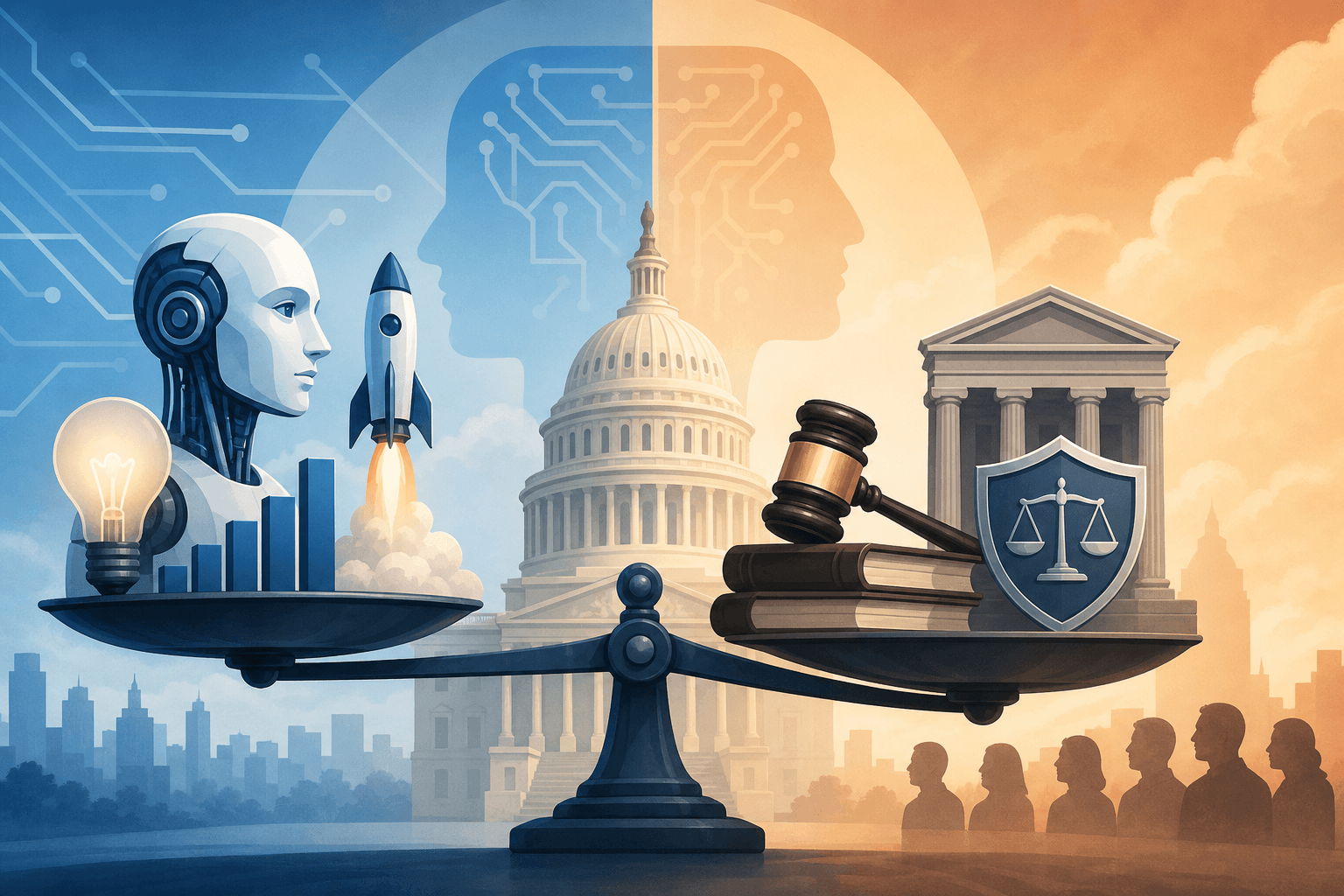
Not all industry figures share Altman's optimistic stance on self-regulation. Anthropic co-founder Jack Clark warned that leaving AI as a completely unregulated industry amounts to gambling with enormous risks. Meanwhile, Nvidia CEO Jensen Huang adopted a more pragmatic position, suggesting companies should simply refrain from releasing products they cannot certify as safe. The fundamental question remains whether commercial incentives alone can adequately safeguard the public interest.
What distinguishes this moment from previous technology debates is the convergence of warnings from within the industry itself. Researchers, executives, and policymakers are all acknowledging unprecedented risks. Whether governments will intervene decisively or defer to corporate self-governance remains an open question. The outcome of this deliberation may well determine the trajectory of human civilisation for generations to come.