
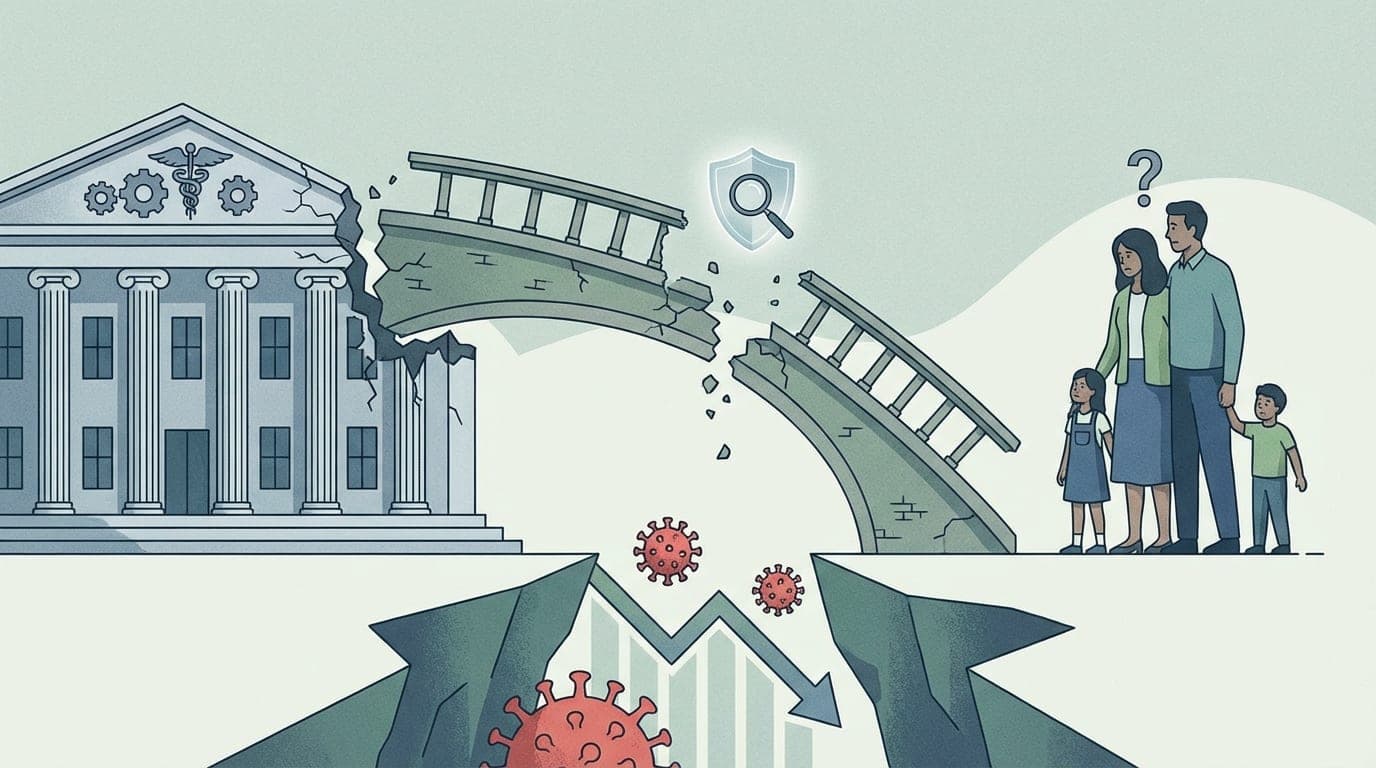
Seldom has a public health debate generated such polarisation as the ongoing dispute over childhood vaccination in the United States. In January 2026, the CDC reduced recommended childhood vaccines from seventeen to eleven, prompting fierce criticism from medical professionals. The American Academy of Pediatrics denounced the changes as dangerous and unnecessary, publishing its own immunisation schedule. This unprecedented divergence between federal agencies and leading medical bodies has left parents confused and uncertain.
The ramifications of declining vaccination rates are already becoming apparent. In 2025, the United States recorded over 2,200 confirmed measles cases, the highest annual count in more than three decades. By mid-February 2026, an additional 910 cases had been reported across twenty-four states. South Carolina alone documented over 930 outbreak-associated cases, predominantly among unvaccinated children. These figures underscore the tangible consequences of eroding immunisation coverage nationwide.
Critics contend that the policy shift was not predicated on scientific evidence but rather on ideological motivations. Public health experts have argued that comparisons to other nations' vaccination schedules are fundamentally misleading. Each country calibrates its recommendations according to distinct disease burdens, population sizes, and healthcare infrastructure. Merely replicating another nation's approach, without accounting for such variables, constitutes a perilous oversimplification.
However, a compelling counterargument suggests that the medical establishment itself bears partial culpability for the current crisis. Years of dismissing parental concerns and failing to acknowledge institutional missteps have steadily undermined public confidence. The academic community, once presuming unquestioned authority, neglected to engage transparently with legitimate questions. Consequently, misinformation has proliferated in the vacuum left by inadequate communication.
Ultimately, what is at stake transcends political allegiance or institutional pride. Vaccines remain among the most efficacious tools in preventive medicine, with the MMR vaccine being ninety-seven percent effective. Rebuilding trust will require genuine dialogue between healthcare providers and families. Only through sustained transparency, rigorous evidence-based policy, and mutual respect can this deepening rift be mended.