
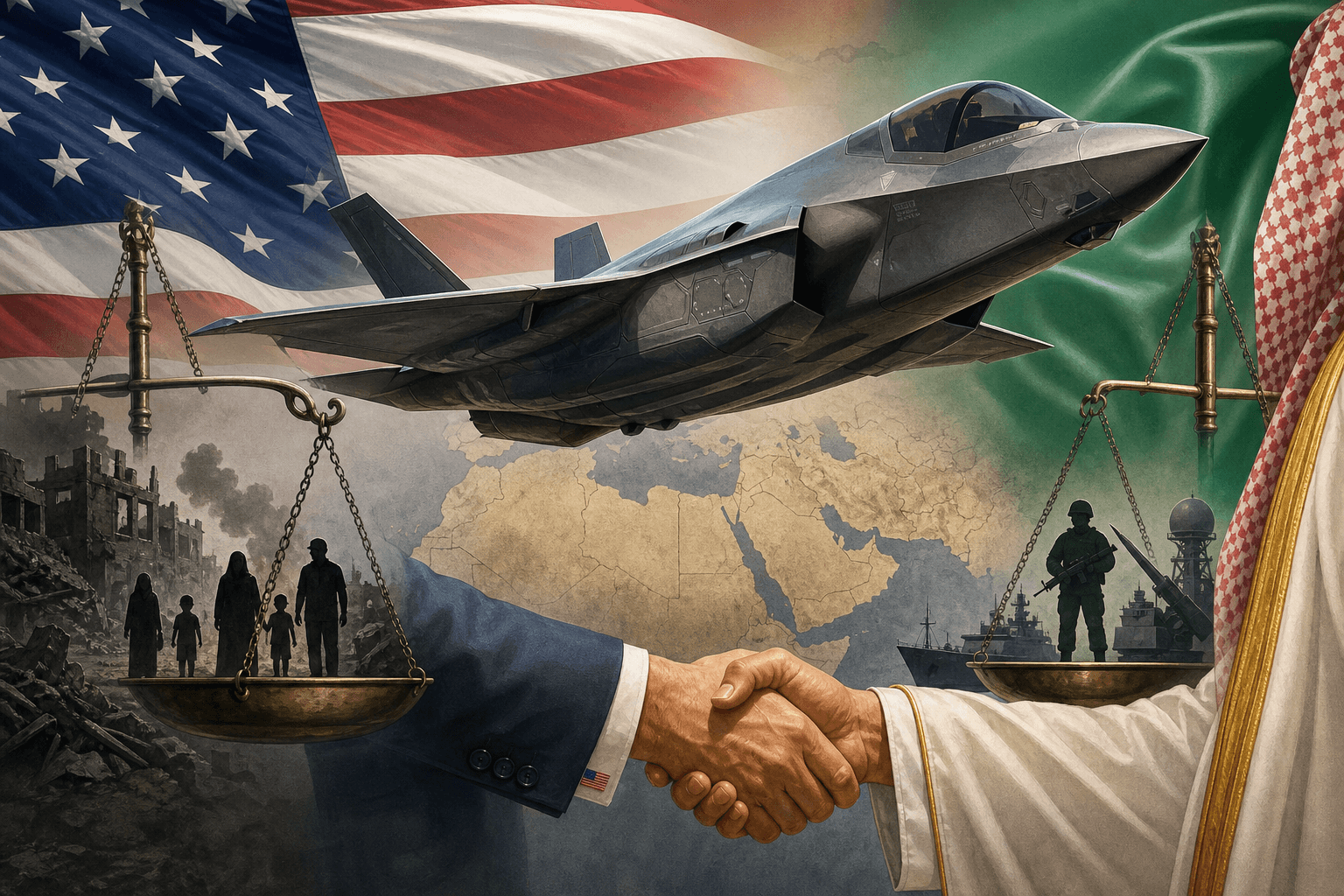
Seldom has a single arms deal provoked such multifaceted controversy as the proposed sale of F-35 jets to Saudi Arabia. The US State Department recently approved the potential transfer of 48 stealth fighters, valued at $24.3 billion. This unprecedented transaction would make Saudi Arabia the first Arab nation to operate America's most advanced combat aircraft. The decision has intensified scrutiny from lawmakers, allied governments, and security analysts worldwide.
Proponents argue that the sale bolsters regional stability and strengthens interoperability between Saudi and American forces. The State Department has asserted that the deal will not alter the military balance in the region. Furthermore, the agreement aligns with Saudi Arabia's ambitious modernisation agenda under Crown Prince Mohammed bin Salman's Vision 2030. Advocates contend that deepening defence cooperation with Riyadh serves broader US strategic objectives against Iranian influence.
Critics, however, have raised substantial objections on both strategic and ethical grounds. Israeli defence officials have expressed concern that introducing fifth-generation fighters into a neighbouring arsenal could erode Israel's air superiority. Under US law, Washington is obligated to preserve Israel's qualitative military edge, a commitment codified by Congress in 2008. Some analysts warn that the administration may be relinquishing diplomatic leverage by not conditioning the sale on normalisation with Israel.
An additional dimension of concern involves technology security and the risk of espionage. US intelligence analysts have warned that Saudi Arabia's expanding partnerships with Beijing could expose sensitive F-35 technology to China. The Defence Intelligence Agency reportedly assessed vulnerabilities related to Chinese access to Saudi military installations. Congressional opponents have drawn parallels to Turkey's removal from the F-35 programme after acquiring Russian air-defence systems.
The implications of this deal extend well beyond a bilateral transaction between Washington and Riyadh. It has the potential to reshape the strategic architecture of the entire Middle East. Whether Congress ultimately approves or blocks the sale will signal how the United States reconciles competing obligations. Rarely has an arms agreement so vividly illustrated the tension between commercial imperatives and the ethical complexities of international security.