Seldom has a technological development posed such a profound challenge to educational institutions as artificial intelligence. A recent report co-authored by Sir Anthony Seldon and entrepreneur Tim Bunting argues that schools in England remain dangerously unprepared. The report asserts that the introduction of AI into classrooms has been chaotic and anarchic. It calls upon the government to establish a comprehensive national framework for AI adoption in education.
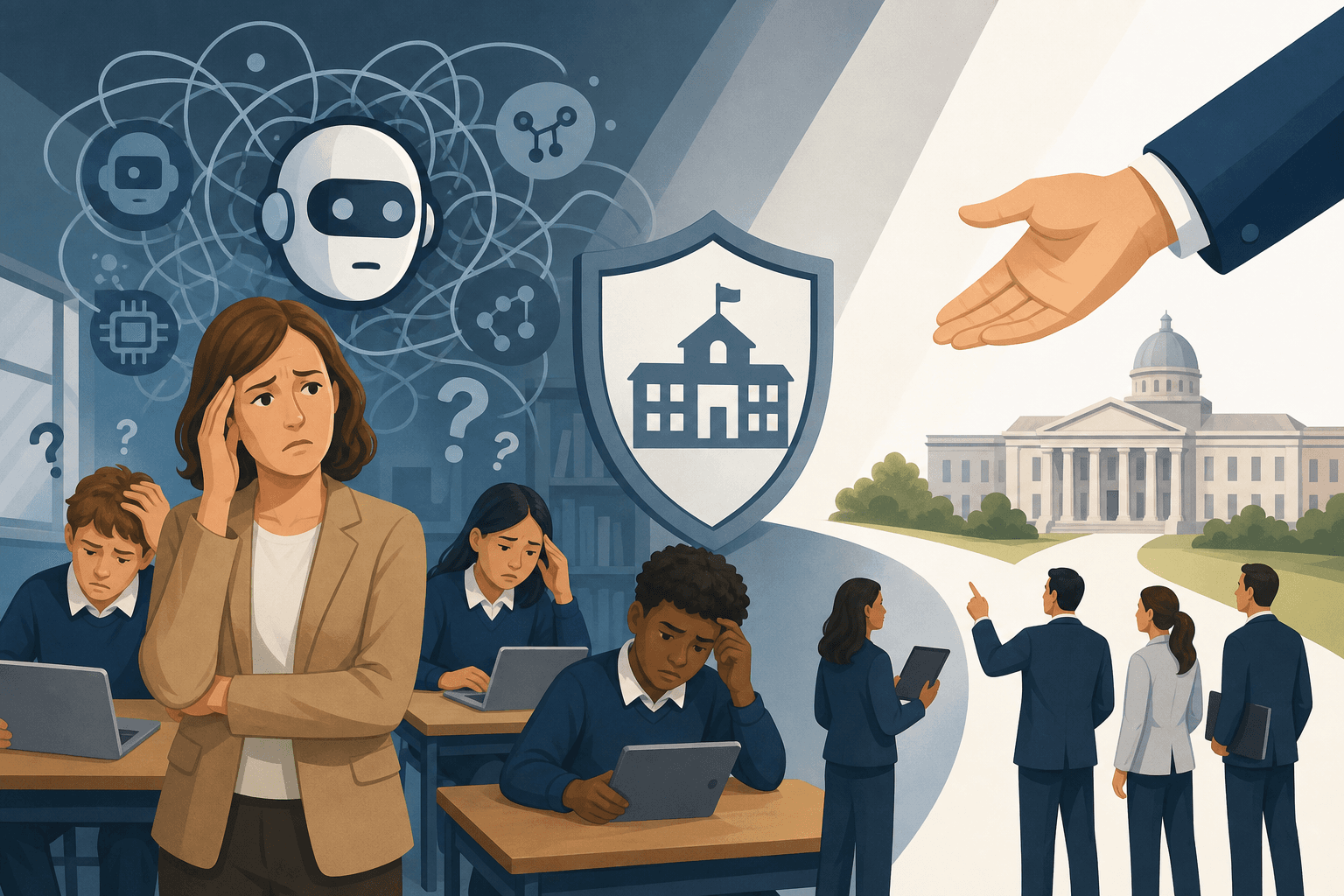
Sir Anthony, a former head teacher and co-founder of AI in Education, contends that Britain ranks near the bottom internationally. He describes the government's response as insufficient and characterised by a lack of urgency. School leaders, governors, teachers, parents, and pupils are reportedly bewildered by the technology. Not only are they struggling to understand its implications, but they are also receiving minimal institutional support.
The report highlights a fundamental paradox at the heart of this debate. AI represents the greatest opportunity to deepen learning, yet it simultaneously poses the biggest threat to young people's mental health. Sir Anthony warns that the potential mental harm from AI surpasses that of pre-AI social media. Furthermore, the vast educational benefits that AI could deliver are, according to the report, being squandered.
Among the report's key recommendations is the formation of a rapid response team within the Department for Education. This taskforce would develop a national AI-adoption framework for implementation by September 2027. The report also advocates for mandatory teacher training on responsible AI integration. Had the government acted sooner, schools would not now find themselves navigating this terrain without adequate guidance.
The Department for Education has responded by emphasising that AI must enhance rather than replace critical thinking. It has announced an investment of twenty-three million pounds to identify digital tools with the greatest impact. Some pioneering schools have already embedded AI into their curricula with promising results. Nevertheless, without coordinated governmental intervention, the disparity between prepared and unprepared institutions will only widen.