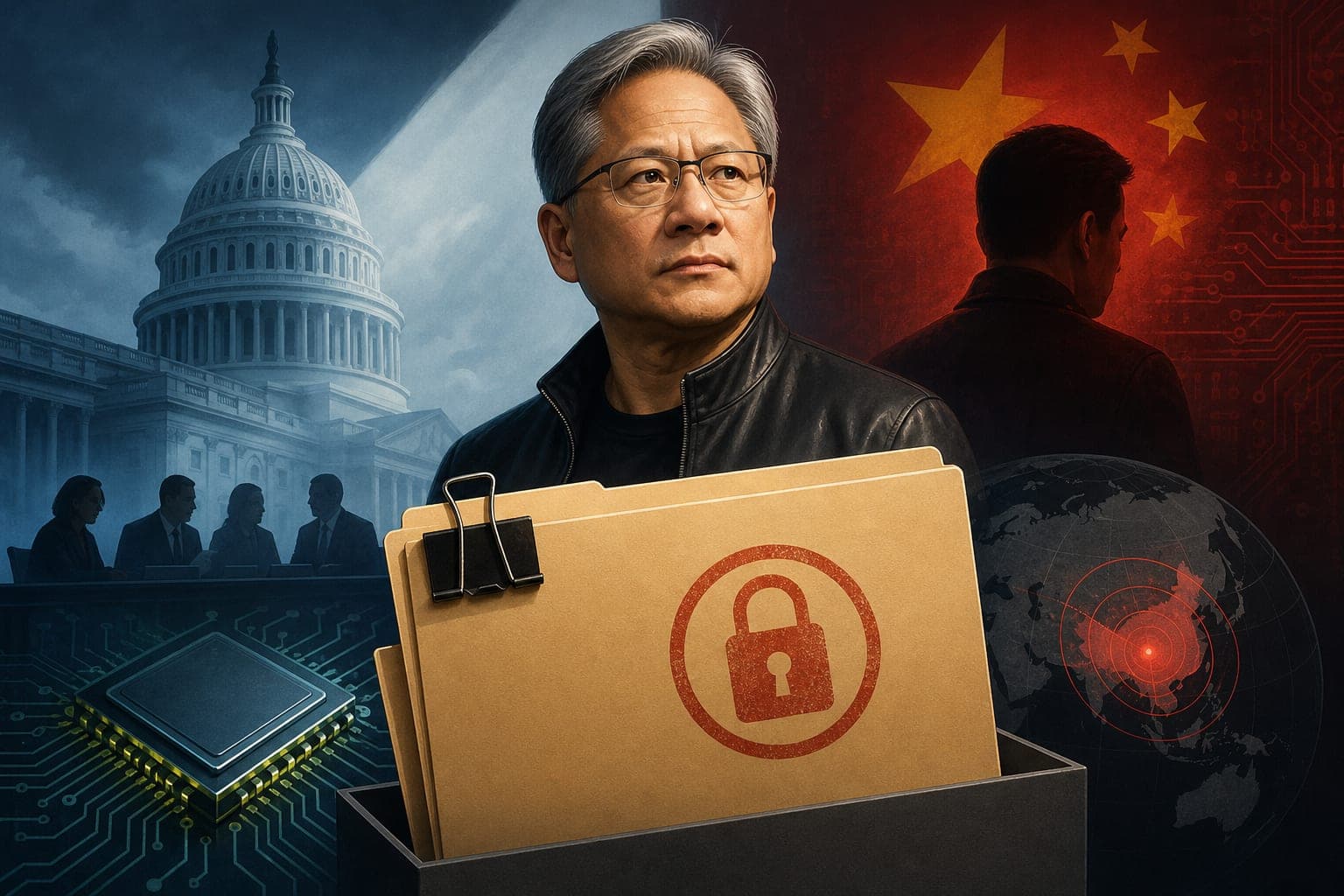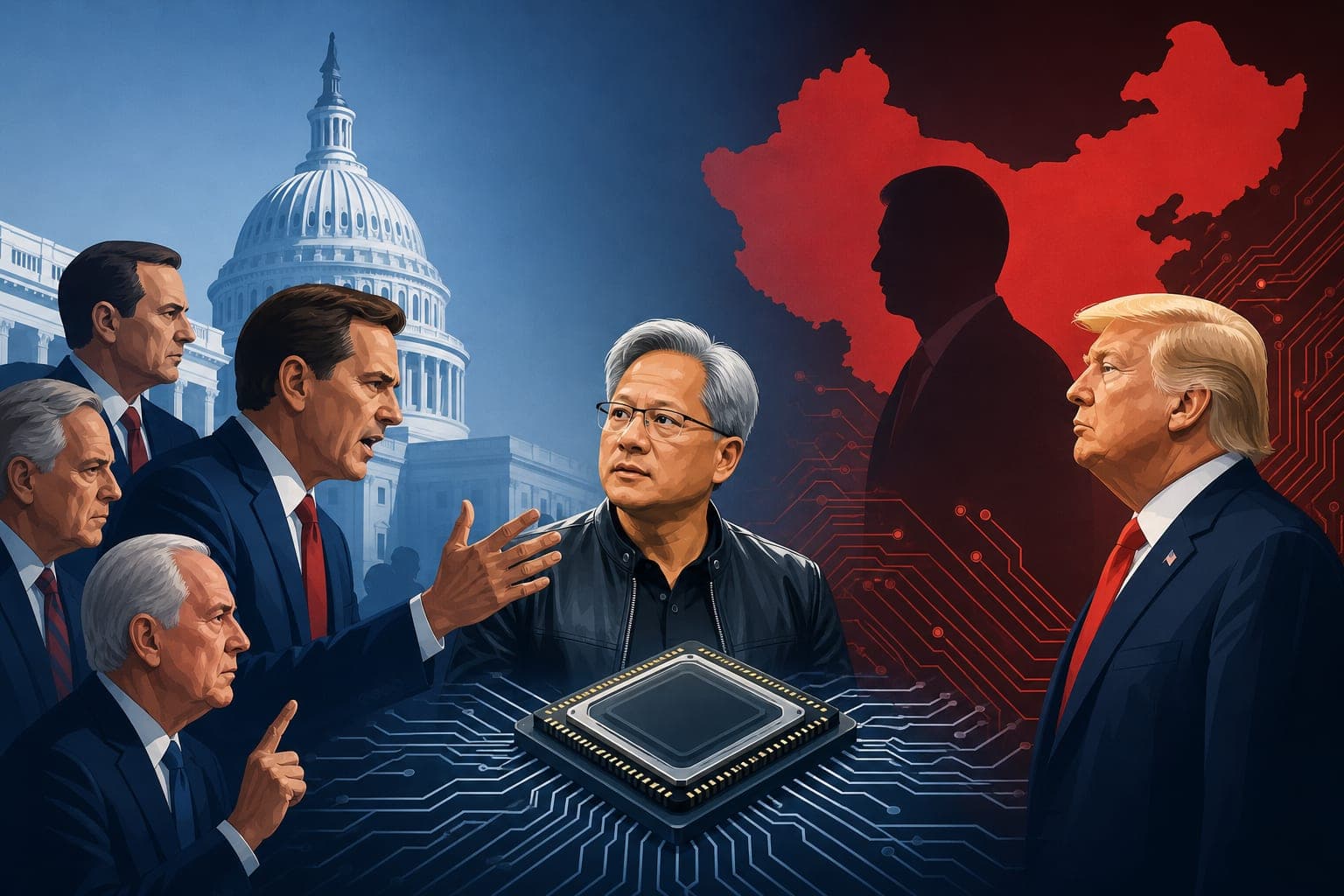
Seldom has a corporate scandal so swiftly reshaped the geopolitical landscape of the semiconductor industry. Senior Republican lawmakers are now demanding congressional scrutiny of Nvidia, the world's largest chipmaker. Their concerns center on CEO Jensen Huang's admitted relationship with an alleged Chinese spy. This unprecedented rift within the GOP puts members of Congress at odds with President Trump himself.
Representative John Moolenaar, who chairs the House Select Committee on China, has raised pointed questions. He wants to determine whether Huang shared privileged information or was influenced to lobby against chip export restrictions. Representative Brett Guthrie, chair of the House Energy and Commerce Committee, stated plainly that an investigation is warranted. Meanwhile, House Foreign Affairs chair Brian Mast has not ruled out issuing a subpoena to compel Huang's testimony.
The controversy has reinvigorated a longstanding legislative push to tighten export controls on advanced semiconductors. The proposed Chip Security Act would mandate tracking of chips sold overseas to prevent illicit smuggling. A companion measure, the MATCH Act, seeks to restrict allied nations from exporting semiconductor equipment to China. Republicans have only weeks to embed these provisions in the defense bill before Democrats assume control of Congress.
President Trump has publicly defended Huang, stating that the CEO told him he was unaware the woman was a spy. Trump's administration had previously facilitated Nvidia's access to the Chinese market through carefully structured licensing arrangements. Under one such deal, Nvidia gained approval to sell its H200 chips to China, with twenty-five percent of revenue directed to the government. Critics argue that such concessions undermine the strategic imperative of maintaining technological superiority over Beijing.
For investors and industry stakeholders, the ramifications extend well beyond one executive's personal conduct. Nvidia's board has launched an independent investigation, though it maintains that no confidential information was compromised. The broader implications for semiconductor export policy could fundamentally alter the competitive dynamics of the global AI market. Should Congress prevail in tightening restrictions, the reverberations would be felt across supply chains and corporate strategy worldwide.