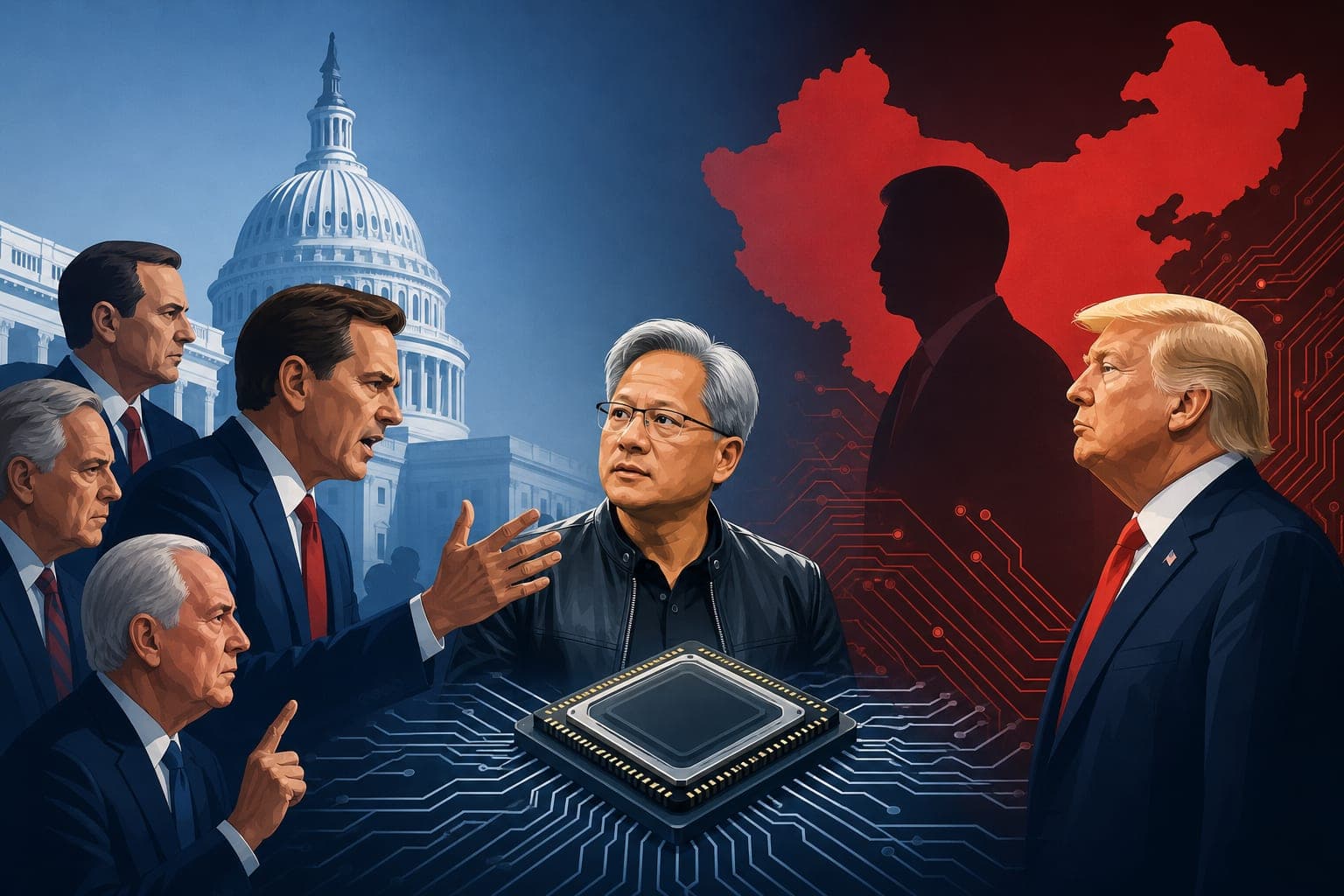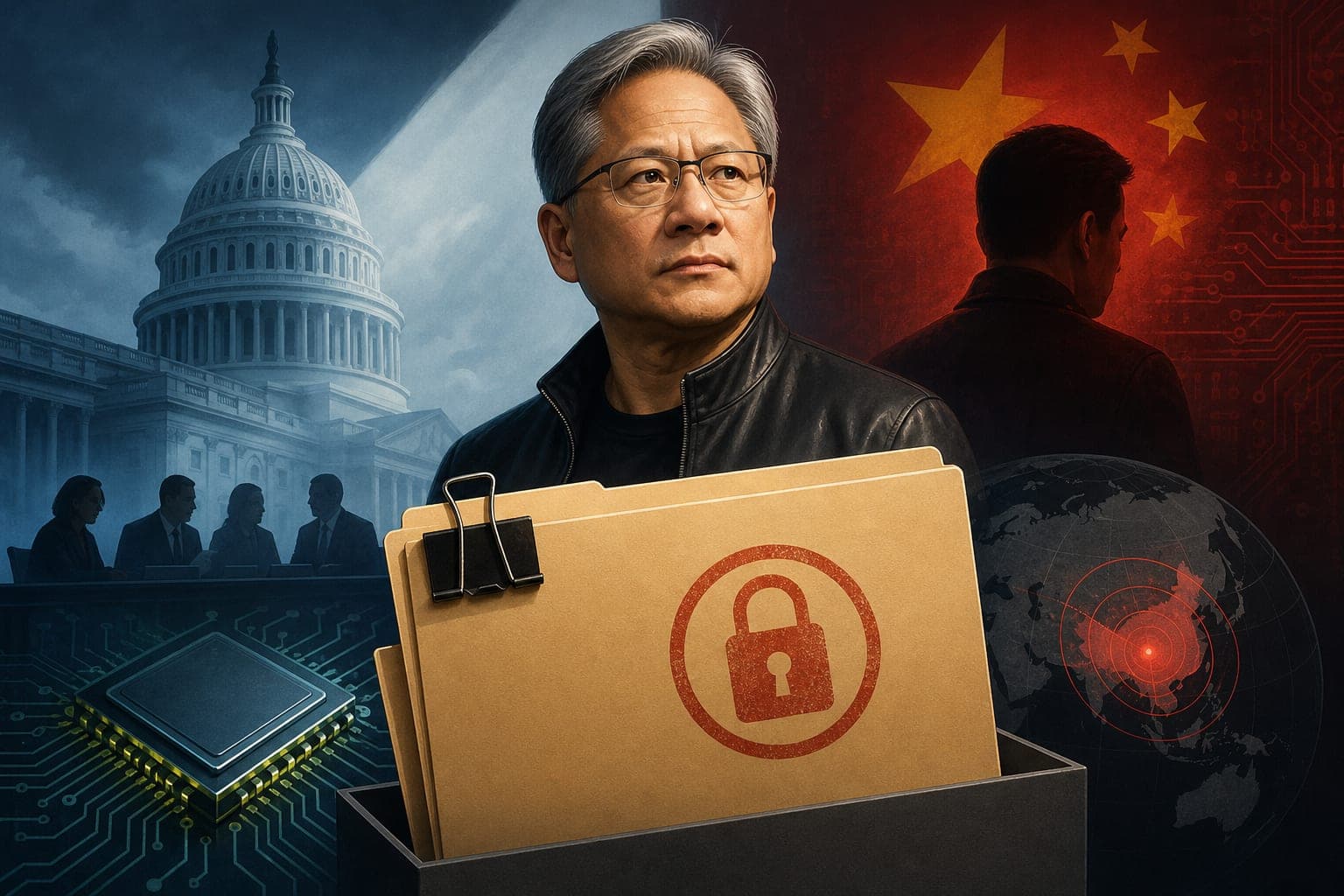
Seldom has a corporate scandal so rapidly escalated into a matter of national security. Commerce Secretary Howard Lutnick reportedly received a classified memo warning about Nvidia CEO Jensen Huang's relationship with Alice Huang. US intelligence officials suspect Alice Huang of operating as a Chinese intelligence asset. The warning circulated before President Trump's May 2026 trip to China.
What makes this revelation particularly consequential is its timing relative to chip export approvals. The Commerce Department cleared approximately ten Chinese companies to purchase Nvidia's advanced H200 processors. Some approvals predated the warning, yet lawmakers now demand scrutiny of subsequent decisions. House Democrats have pressed Lutnick for answers regarding approvals to entities with concerning ties to China.
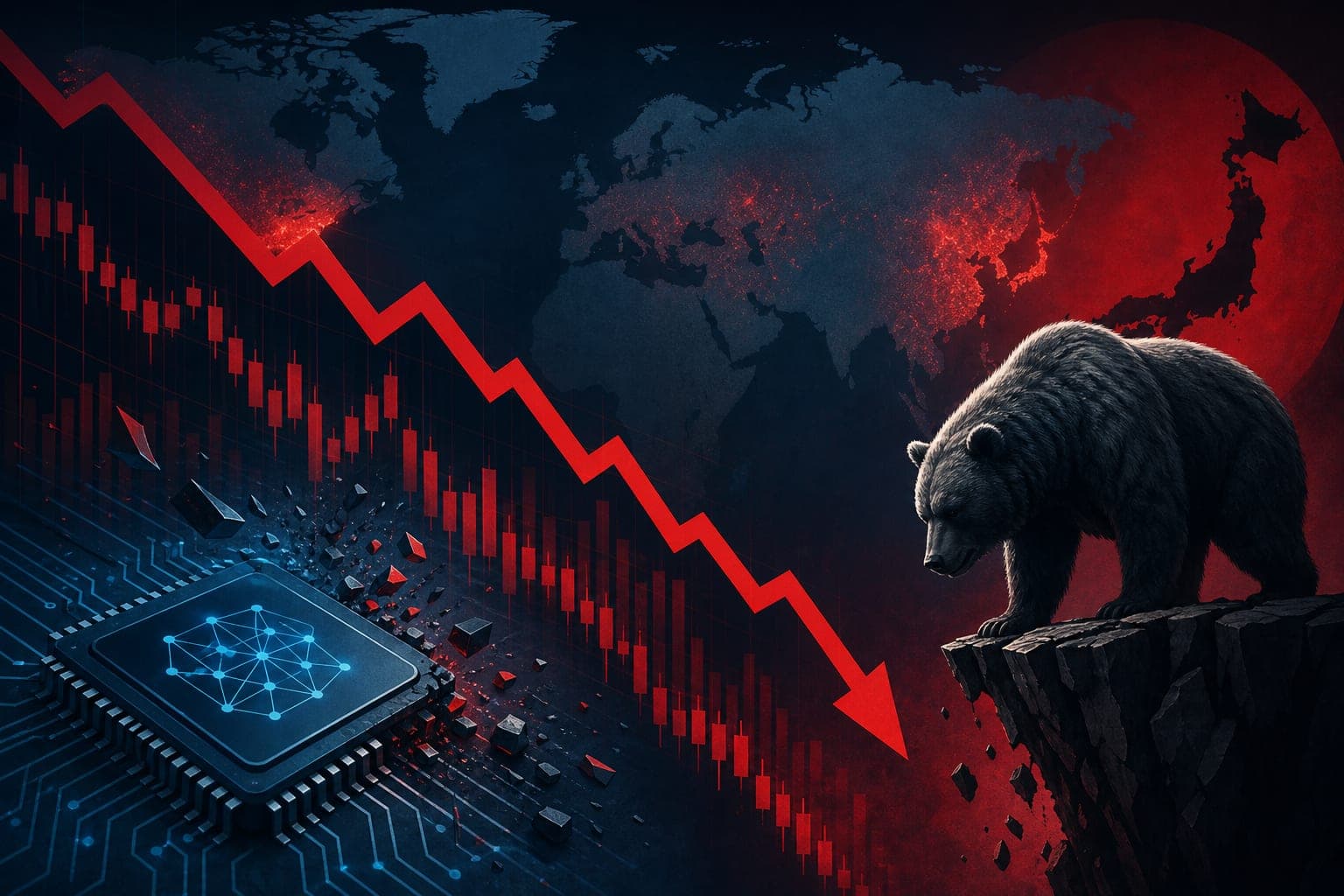
The financial fallout has been staggering and unprecedented in its magnitude. Nvidia has shed roughly $1.7 trillion in market value since its October record. Shares declined nearly thirty percent in just five weeks. Analysts warn that should Huang step down, an additional $1.4 trillion could evaporate. The company's board has launched an independent investigation while expressing confidence in his leadership.
Broader implications extend well beyond a single company's governance crisis. The affair underscores vulnerabilities in the oversight of sensitive technology exports. Secretary of State Marco Rubio reportedly oversaw the drafting of the classified memo. Congressional committees are now investigating whether export control protocols adequately safeguard national interests. China's foreign ministry dismissed the espionage allegations as groundless speculation.
This convergence of corporate governance, geopolitical rivalry, and semiconductor strategy is reshaping industry dynamics. Nvidia co-founded by Huang over thirty years ago remains indispensable to global AI infrastructure. Yet its dominance now faces regulatory headwinds compounded by reputational risk. Whether the matter remains a governance inquiry or becomes a broader policy dispute will depend on forthcoming disclosures.