
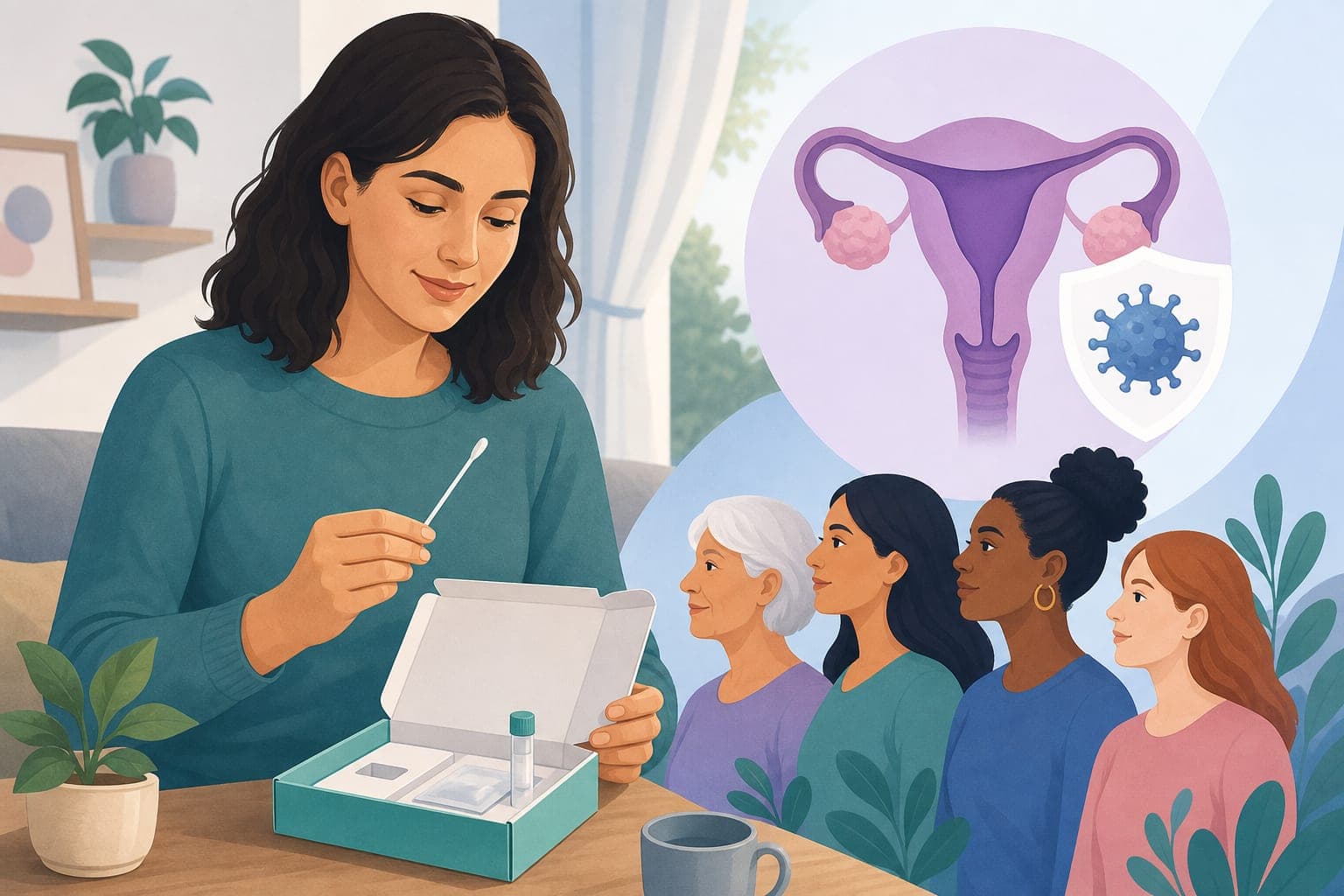
In a significant advancement for preventive healthcare, NHS England has commenced the national rollout of free HPV self-testing kits. Nearly four million women who have not attended cervical screening appointments will be offered these kits. The initiative targets individuals aged 30 to 65 who are overdue for screening. England's leading women's health doctor has described the programme as a transformative development in cancer prevention.
The self-testing kit contains a vaginal swab that individuals use to collect a sample at home. Once collected, the sample is returned via prepaid post to NHS laboratories at no charge. Laboratories then analyse the sample for high-risk strains of human papillomavirus. Should high-risk HPV be detected, individuals are subsequently invited for a clinical follow-up appointment.
This rollout has been underpinned by robust clinical evidence. The YouScreen trial, conducted in collaboration with King's College London, demonstrated that self-sampling could boost screening numbers by approximately 400,000 annually. The UK National Screening Committee subsequently endorsed the approach based on these findings. A complementary study, HPValidate, identified the most accurate and efficacious self-sampling kits available.
Screening participation rates in England have been declining steadily, with only around 70 percent of eligible women currently up to date. Research has identified embarrassment, logistical difficulties, and fear of discomfort as predominant barriers to attendance. Notably, practical obstacles such as difficulty scheduling appointments proved more predictive of non-attendance than emotional factors. Home-testing kits are thus designed to circumvent these impediments by offering a discreet and convenient alternative.
The initiative forms part of a broader governmental strategy to eliminate cervical cancer in England by 2040. Authorities maintain that combining widespread HPV vaccination among adolescents with enhanced screening access constitutes the cornerstone of this ambition. By shifting resources toward preventive community-based care, the programme exemplifies a paradigm shift in public health policy. Whether this intervention achieves its intended uptake remains to be seen, yet its potential implications are profound.