
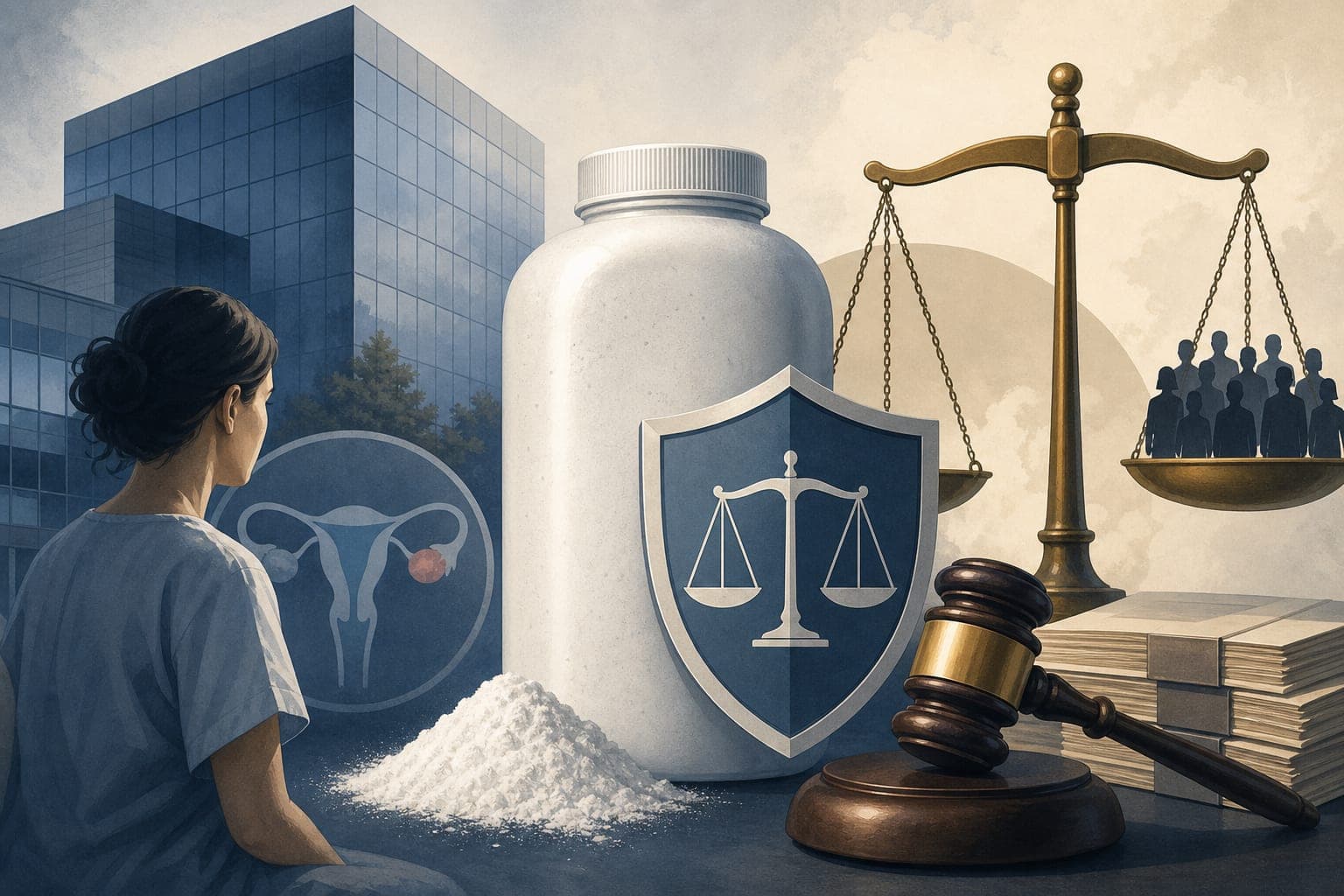
Seldom has a single consumer product generated such protracted and contentious litigation as Johnson & Johnson's talc-based baby powder. The pharmaceutical giant announced on July 27, 2026, a proposed $5.5 billion settlement to resolve tens of thousands of lawsuits. These lawsuits allege that the company's talc products caused ovarian cancer in users over several decades. The settlement covers approximately 76,000 claims consolidated in federal and state courts across the United States.
The proposed agreement represents a pivotal shift in the company's legal strategy. Previously, Johnson & Johnson had attempted three times to use subsidiary bankruptcy filings to circumvent direct litigation. Courts rejected each attempt, citing procedural flaws and an abuse of the bankruptcy system. Consequently, the company returned to conventional legal channels, ultimately negotiating this unprecedented settlement with plaintiffs' attorneys.
The scientific debate underpinning the litigation remains unresolved. In 2024, the World Health Organization's International Agency for Research on Cancer reclassified talc as probably carcinogenic to humans. Johnson & Johnson, however, maintains that the claims lack scientific merit and that its products never caused cancer. Despite this assertion, the company discontinued its talc-based baby powder in the United States in 2020 and globally in 2023.
For the settlement to become binding, at least 95 percent of claimants must accept its terms. Plaintiffs' attorney Chris Seeger characterised the agreement as long-delayed justice for affected families. He noted that the settlement's value is uncapped and could ultimately exceed $7 billion. Unlike earlier bankruptcy proposals, this agreement addresses only existing claims, excluding future lawsuits entirely.
This case exemplifies broader tensions between corporate profitability and consumer welfare in the pharmaceutical industry. Critics argue that corporations frequently prioritise financial interests over transparent disclosure of potential health risks. Proponents of the settlement contend that it provides meaningful compensation while allowing the company to achieve closure. Regardless of perspective, the outcome will likely establish significant precedent for mass tort litigation worldwide.