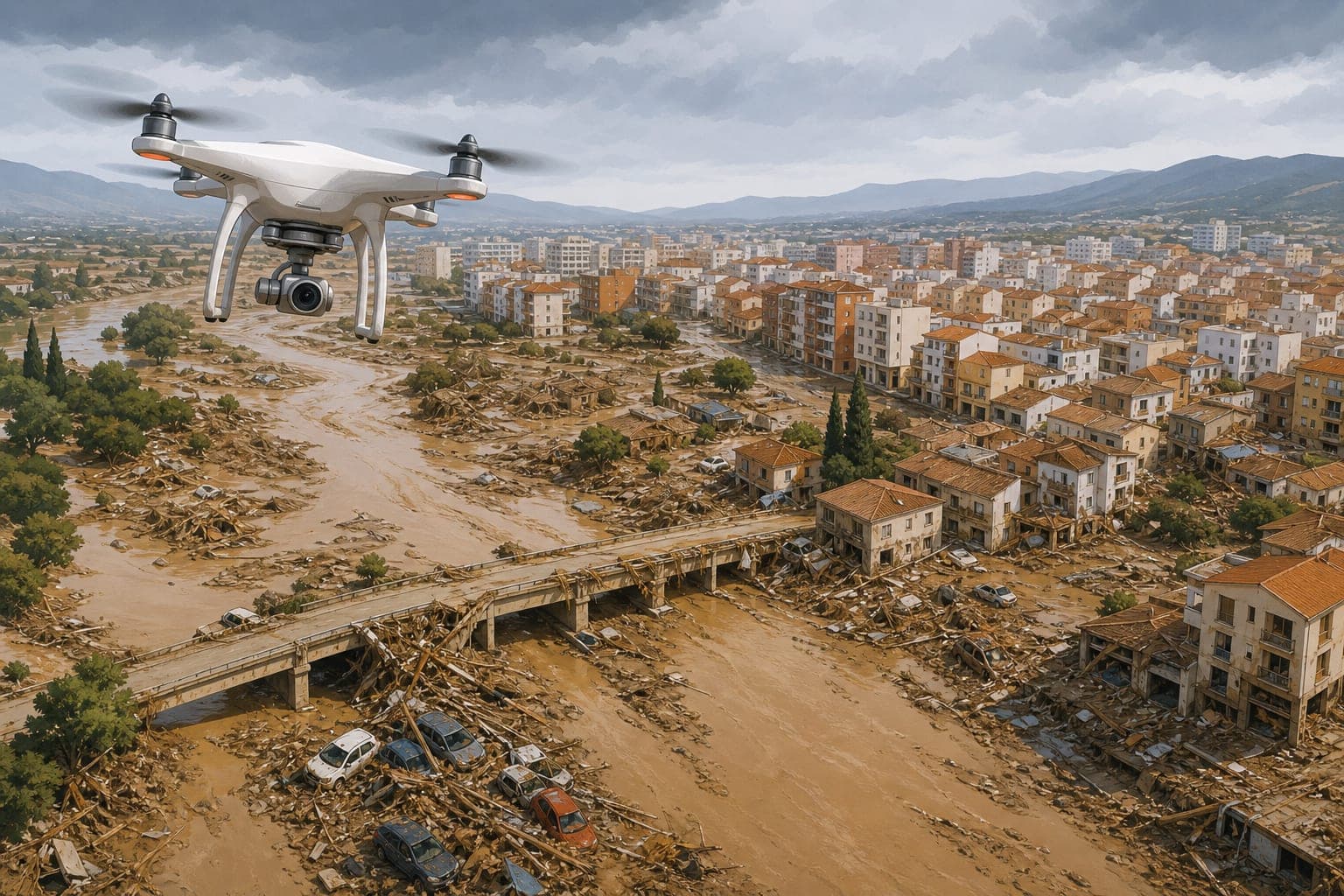
In October 2024, severe flooding struck the Valencia region of Spain. The area received a year's worth of rain in just eight hours. Drone footage revealed the enormous scale of the devastation. Streets were turned into rivers, and vehicles were swept away. It was described as Spain's deadliest natural disaster in decades.
The floods affected approximately 199 square kilometres of land. Over 90,000 residents were directly impacted by the disaster. Roads, bridges, and railway lines sustained significant damage. More than 100,000 homes in Valencia were left without power. Emergency teams were deployed to rescue people from buildings and cars.
Scientists have linked the intensity of this event to climate change. Warmer oceans supply more moisture to the atmosphere. This additional moisture leads to heavier and more frequent rainfall. A study reported that rainfall totals had increased by 21 percent. Urban areas with poor drainage were particularly vulnerable to flooding.
Experts argue that cities must adapt to this growing threat. If governments invested more in urban planning, future disasters could be reduced. Drainage systems in many areas were not designed for such extreme events. Green infrastructure, such as permeable surfaces, could help absorb rainwater. Better early warning systems are also considered essential for saving lives.