
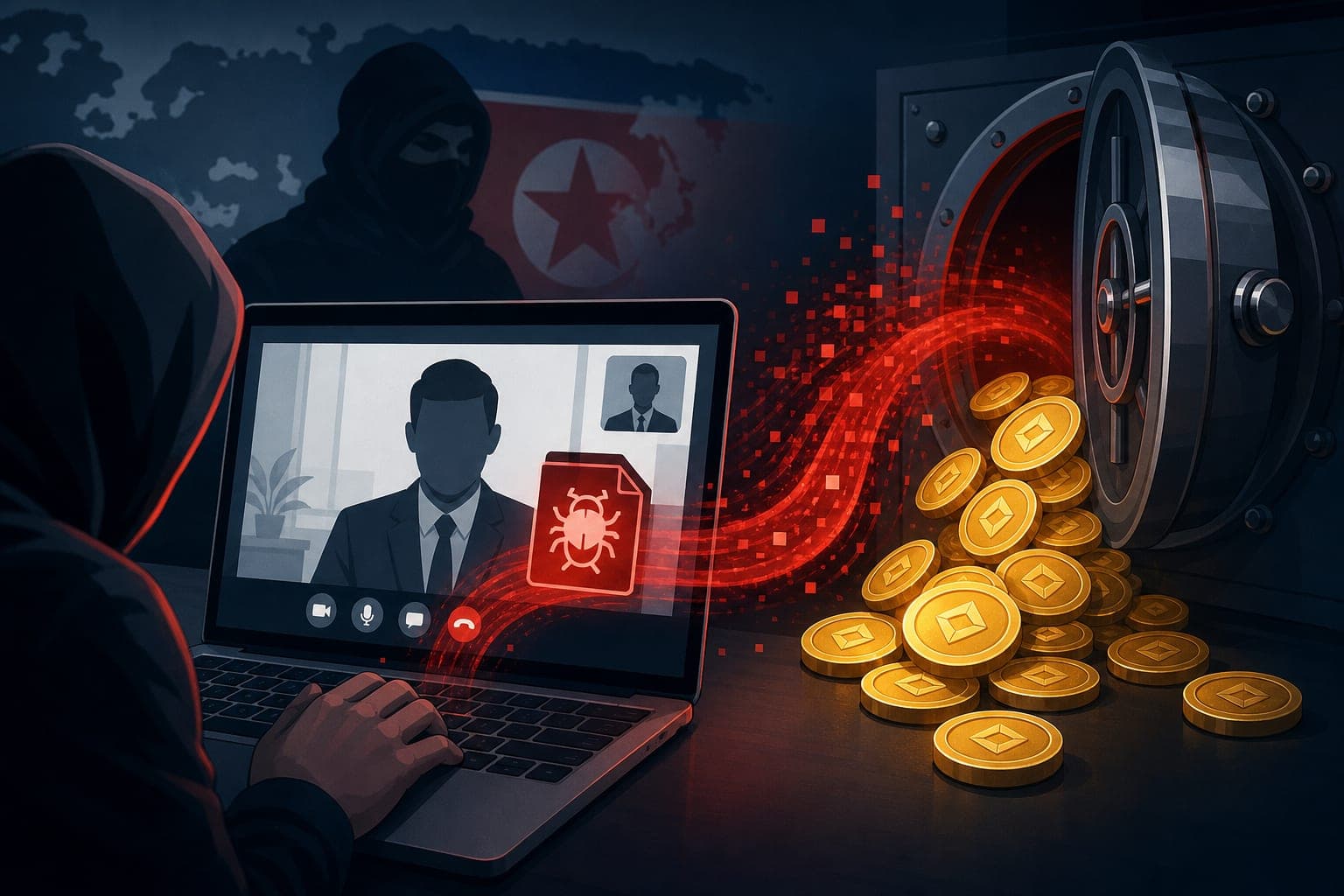
Seldom has a single social engineering attack inflicted such devastating financial damage. Binance, the world's largest cryptocurrency exchange, disclosed that hackers stole approximately $6.34 billion in digital assets. The breach, which occurred on October 29, now stands as the biggest heist in crypto history. The FBI has attributed the attack to TraderTraitor, a North Korean state-sponsored hacking unit linked to the notorious Lazarus Group.
The infiltration began with a sophisticated, multi-stage campaign spanning several months. In September, a Binance software engineer was contacted through a legitimate job-hunting platform by someone posing as a project director. A fake HR representative conducted a video interview and shared social media profiles to establish credibility. The engineer was then asked to download a coding assignment that contained a malicious code repository.
Upon execution, the malware replaced a legitimate development tool with a compromised version. Critically, Binance's endpoint security tools failed to detect the zero-day malware at the time. By October 20, attackers had leveraged the compromised device and an internal AI tool to access wallet engineers' computers. Days later, they used stolen credentials to authorize unauthorized withdrawals totaling billions.
Binance co-CEO Richard Teng stated that the exchange has replenished approximately 98% of affected tokens using company funds. Roughly $2.85 billion in stolen assets have been frozen by investigators and stablecoin issuers. Nevertheless, the reputational ramifications for centralized exchanges remain profound. Investors are now scrutinizing whether platforms can adequately safeguard custodial assets against state-sponsored adversaries.
This incident underscores the imperative for enterprises to bolster their cybersecurity protocols beyond conventional measures. Binance revealed it had detected and prevented 57 suspected North Korea-linked cyber incidents in 2026 alone. The exchange is now increasing investments in AI-enabled threat detection. For the broader industry, this breach serves as an unequivocal reminder that human vulnerability remains the weakest link.