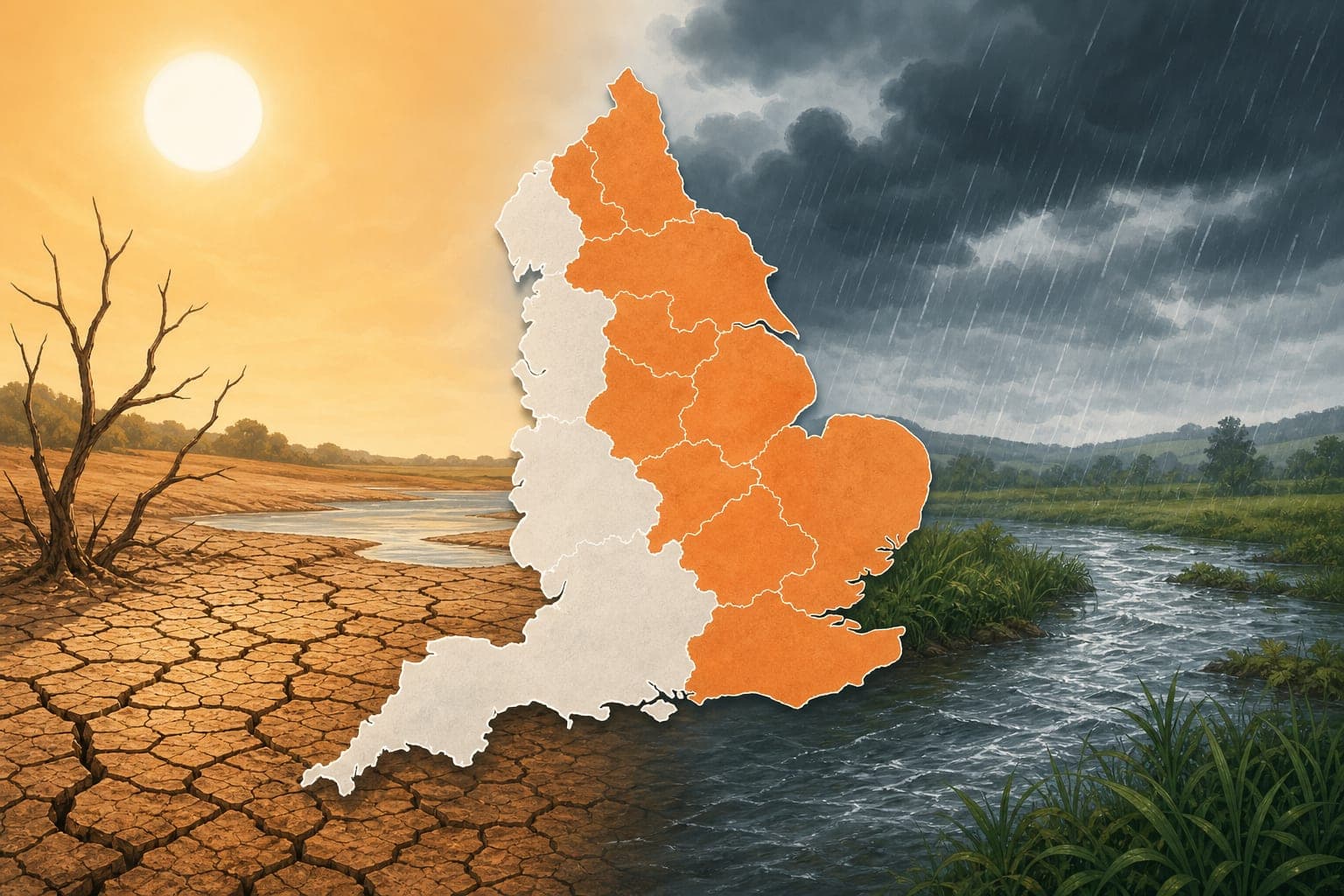
Seldom has England confronted such an acute water crisis in consecutive years. The Environment Agency has declared drought across seven regions, encompassing half the country. Up to 28 million people now reside in areas where water scarcity is officially recognised. This unprecedented escalation follows what is anticipated to be the driest July on record.
The affected regions span a vast swathe of central, eastern, and southern England. They include East Anglia, London, the Thames Valley, and Devon and Cornwall, among others. July has yielded merely seven per cent of expected rainfall nationally. In southern England, that figure plummets to a staggering one per cent. Meteorologists have characterised this rapid deterioration as a flash drought.
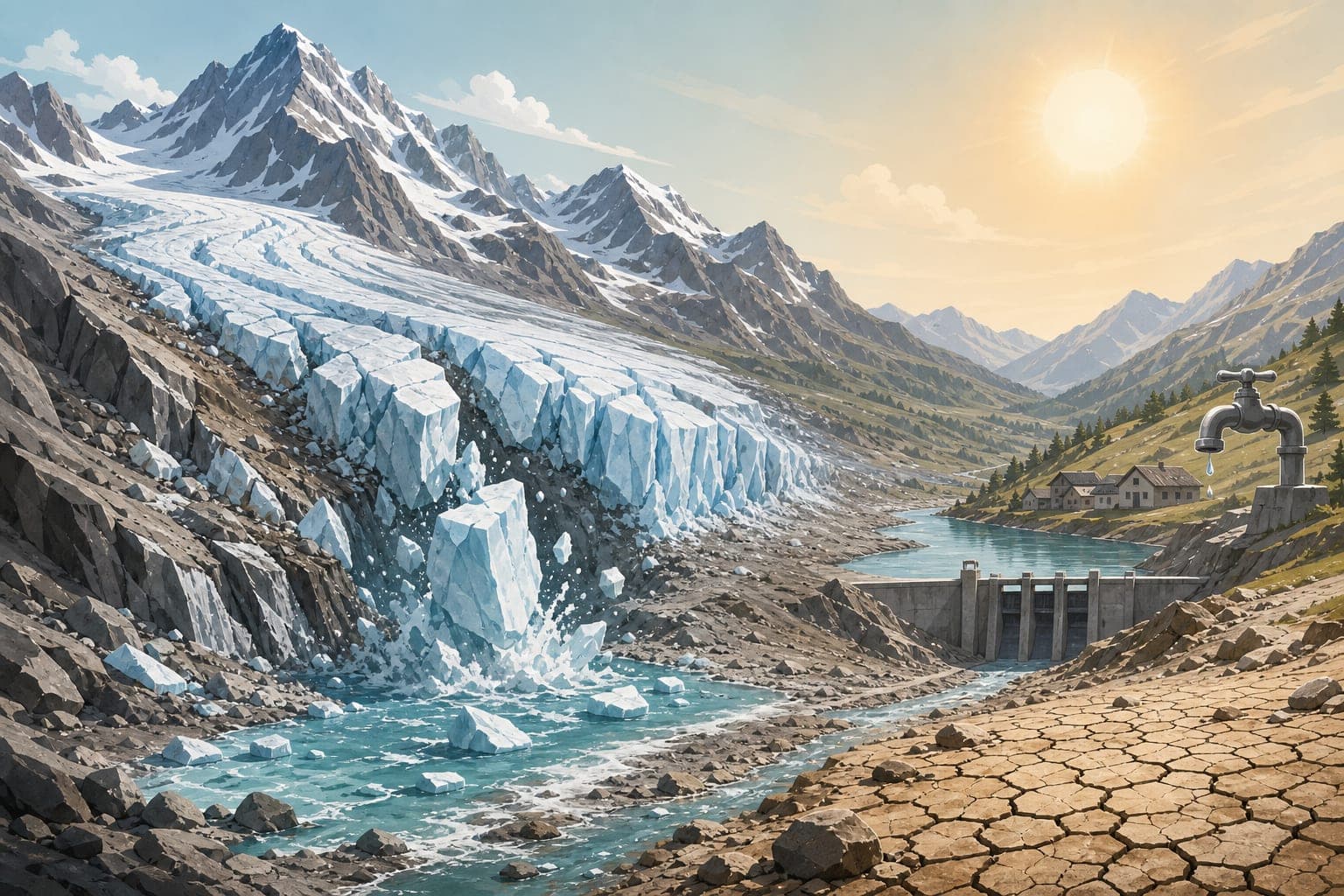
The tangible repercussions are already pervasive across multiple sectors. Rivers are running dangerously low, compelling farmers to harvest crops prematurely. Wildfire risk has surged, with 110 incidents recorded on protected ecological sites this year. Millions of households are subject to hosepipe bans, restricting everyday water usage. The Environment Agency has intensified monitoring and imposed controls on water extraction.
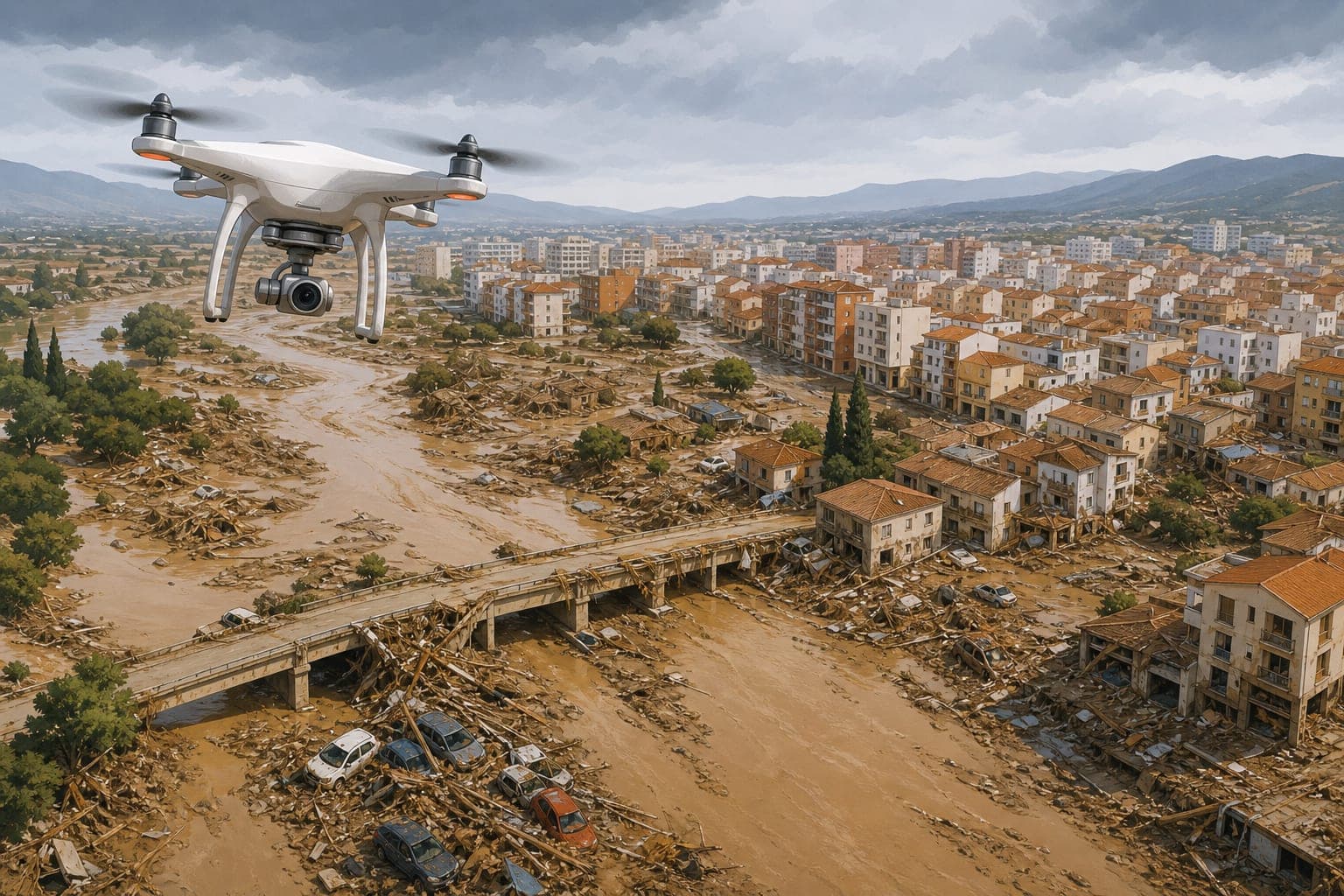
What distinguishes the current situation is the alarming frequency of such events. England has now experienced three droughts in just five years, following similar crises in 2022 and 2025. Scientists attribute this recurrence to a phenomenon termed climate whiplash. This denotes the dramatic oscillation from an exceptionally wet winter to a scorching, arid summer. Such volatility fundamentally undermines long-term water resource planning.
The government has signalled its commitment to bolstering infrastructure resilience. Water Minister Emma Hardy acknowledged that droughts are becoming the new normal. Authorities are driving record investment, including the construction of nine new reservoirs. Nevertheless, experts caution that infrastructure alone cannot mitigate the systemic challenges posed by climate change. Without sustained behavioural shifts in water consumption, the prospect of perpetual scarcity looms large.