
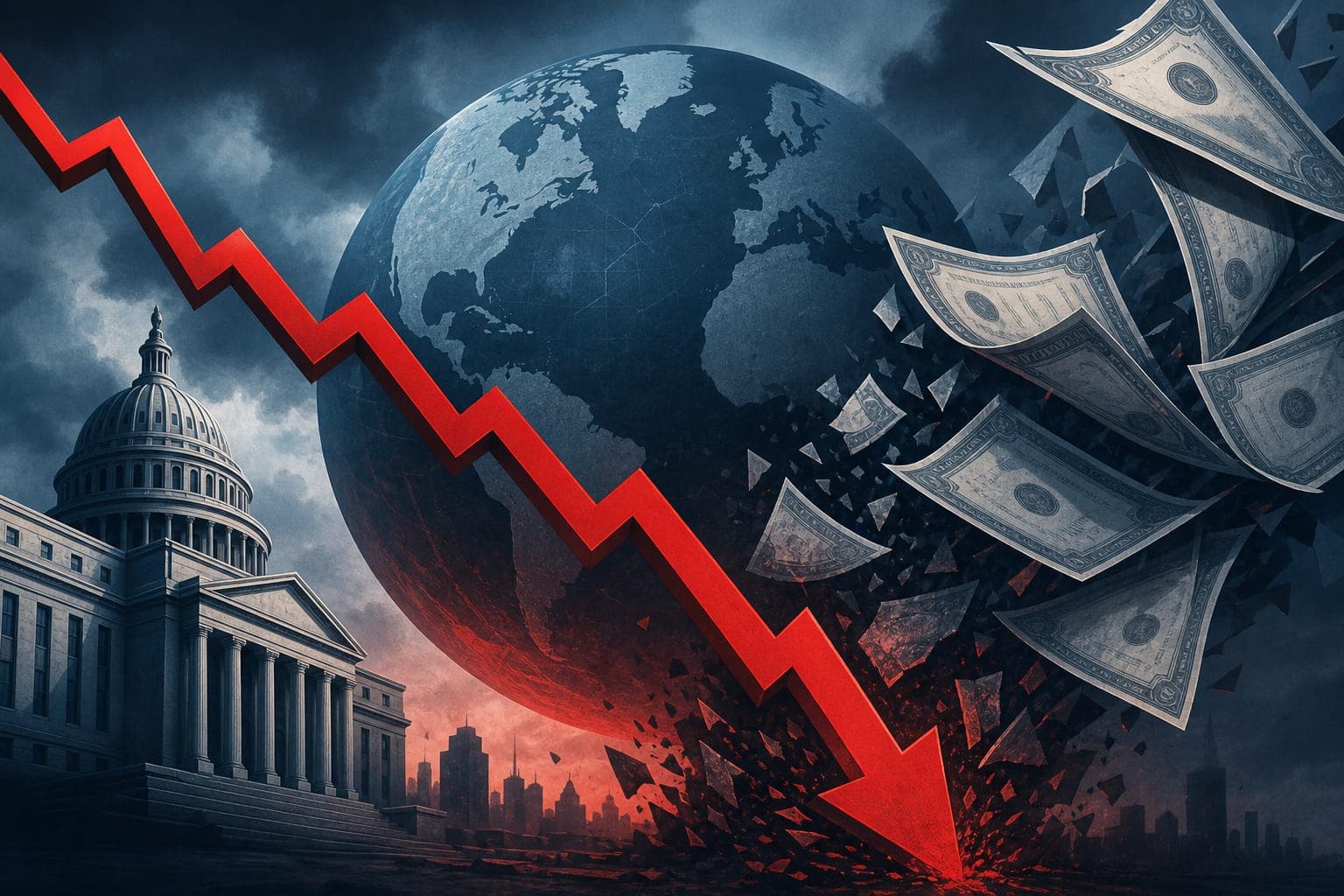
Seldom has the global bond market experienced such a pronounced and simultaneous upheaval across major economies. Yields on thirty-year United States Treasuries surged above 5.3 percent this week, reaching their highest since 2007. French borrowing costs climbed to levels not witnessed since 2008, while German equivalents traded at 2011 highs. In the United Kingdom, gilt yields approached six percent, and Japanese bond yields neared all-time records. This convergence of rising yields signals a fundamental reassessment of long-term sovereign debt.
Several structural forces are converging to exacerbate the sell-off. Inflation remains stubbornly above central bank targets, with the US consumer price index rising 3.4 percent annually. Geopolitical instability, particularly in the Middle East, has pushed oil prices higher, reinforcing inflationary pressures. Simultaneously, fiscal deficits have widened considerably. The US federal deficit is projected to reach two trillion dollars in fiscal year 2026. Such persistent fiscal imbalances compel governments to issue ever-larger volumes of debt.
What distinguishes this episode from previous bond market disruptions is the role of corporate borrowing. Technology companies financing artificial intelligence infrastructure have flooded debt markets with unprecedented issuance. Major hyperscalers collectively issued approximately 244 billion dollars in bonds by mid-2026. This corporate deluge competes directly with government bonds for investor capital. Consequently, sovereign issuers must offer higher yields to remain attractive.
The ramifications of elevated borrowing costs extend well beyond financial markets. Governments refinancing maturing debt at markedly higher rates face a growing interest burden. Rising interest payments constrain fiscal capacity for public services, infrastructure, and social programmes. Moreover, higher sovereign yields ripple through the broader economy, increasing mortgage rates and corporate financing costs. The OECD has warned that debt-to-GDP ratios across advanced economies will continue climbing in 2026.
Looking ahead, few analysts anticipate a swift return to the era of historically low interest rates. Central banks are expected to maintain restrictive policy stances until inflation is definitively contained. The structural demand for AI-related capital expenditure shows no sign of abating. Governments must therefore reconcile ambitious spending plans with the sobering reality of costlier debt. Whether policymakers can navigate this fiscal tightrope without triggering broader economic instability remains an open question.