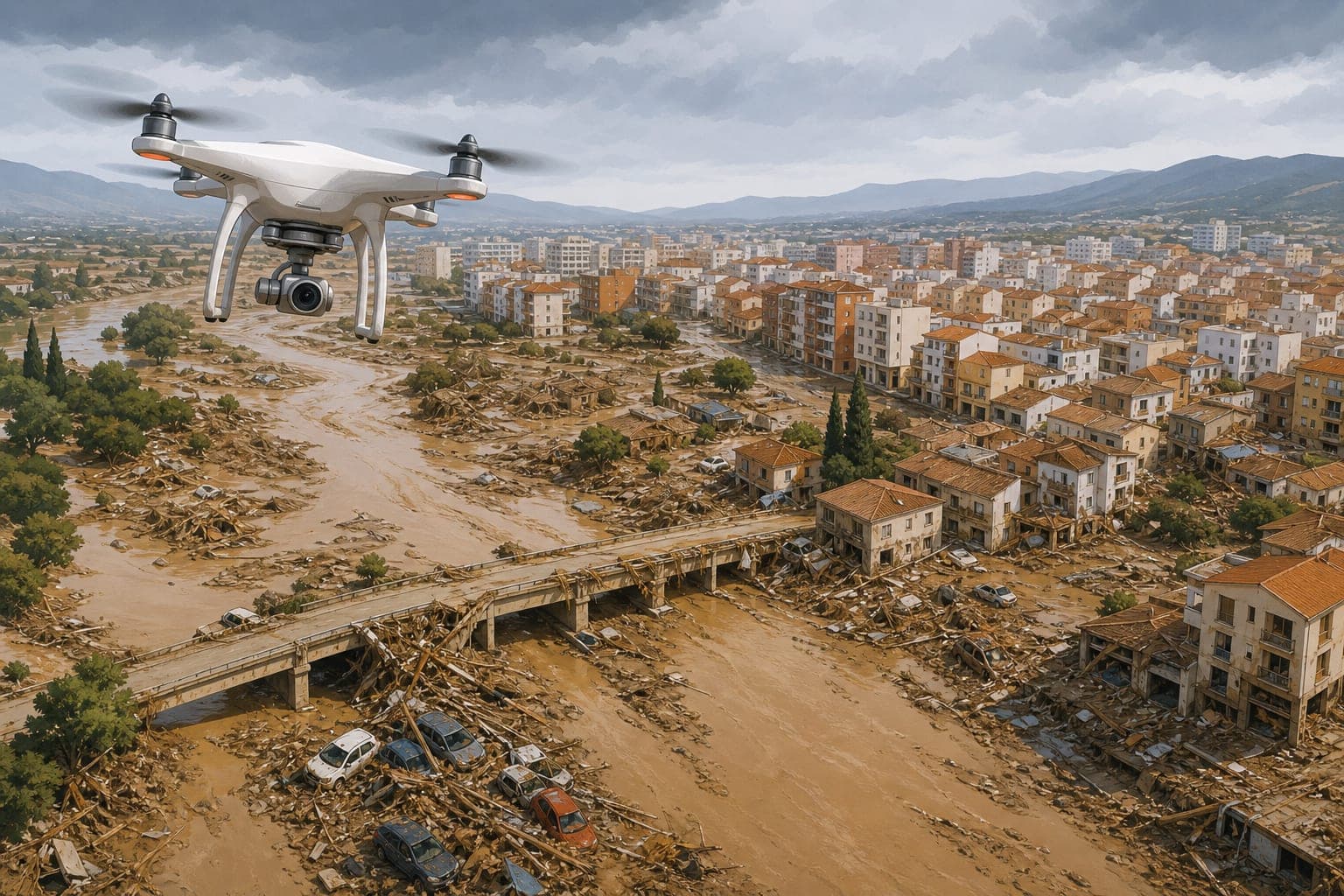
Seldom has a meteorological phenomenon so dramatically illustrated the interplay between fire and atmosphere. As wildfires devastate southwestern France and central Spain, firefighters are confronting an unprecedented hazard. A pyrocumulonimbus cloud has formed over the Gironde region near Bordeaux. This colossal fire-generated thunderstorm, never previously documented in France, has compelled the evacuation of over 250,000 people.
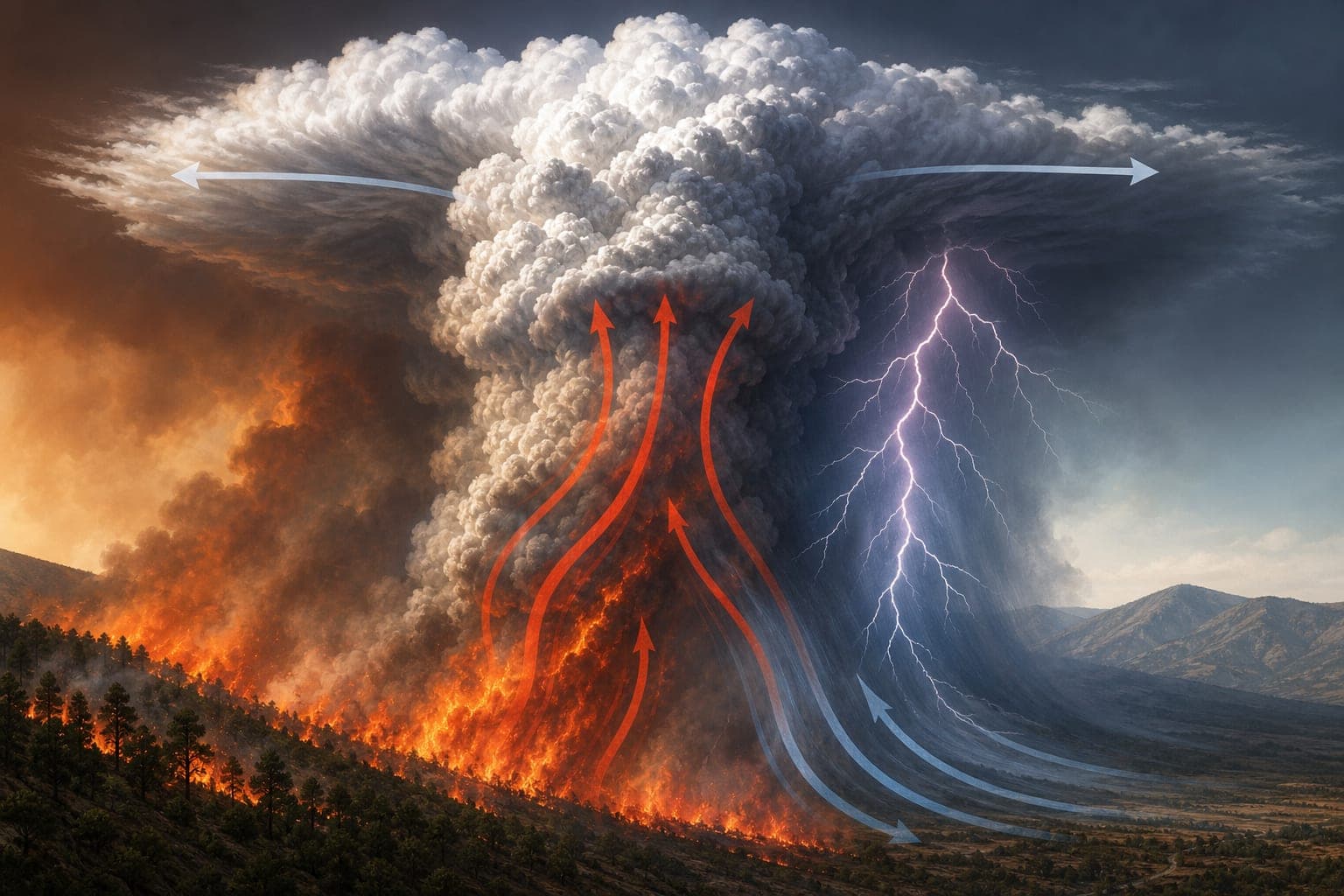
A pyrocumulonimbus, formally termed cumulonimbus flammagenitus, develops when a wildfire's intense heat creates powerful updrafts. These updrafts propel smoke, moisture, and superheated air high into the atmosphere. As this rising column cools, water vapour condenses onto ash particles, forming a towering storm cloud. Such clouds can reach altitudes of ten to fifteen kilometres, occasionally penetrating the stratosphere.
What renders these formations particularly perilous is their capacity to exacerbate the very fires that spawned them. The turbulent mass generates its own erratic winds, which fan flames in unpredictable directions. Furthermore, if sufficiently large, pyrocumulonimbus clouds produce lightning that ignites new blazes far from the original fire. French firefighters have described the situation as an insurmountable battle against nature.
Research published in leading scientific journals indicates that climate change has intensified the conditions conducive to pyrocumulonimbus formation. Prolonged drought leaves vegetation desiccated, providing abundant fuel for extreme fires. Rising temperatures amplify atmospheric instability, thereby facilitating the vigorous convection these clouds require. A comprehensive global inventory documented 169 pyrocumulonimbus events worldwide in 2023 alone.
The implications extend beyond immediate fire management. Extreme pyrocumulonimbus events can inject smoke into the stratosphere, where it persists for months. Scientists have noted that the largest such events rival moderate volcanic eruptions in disrupting the global radiative balance. As wildfire seasons lengthen and intensify, understanding these fire-induced storms has become an imperative for atmospheric science.