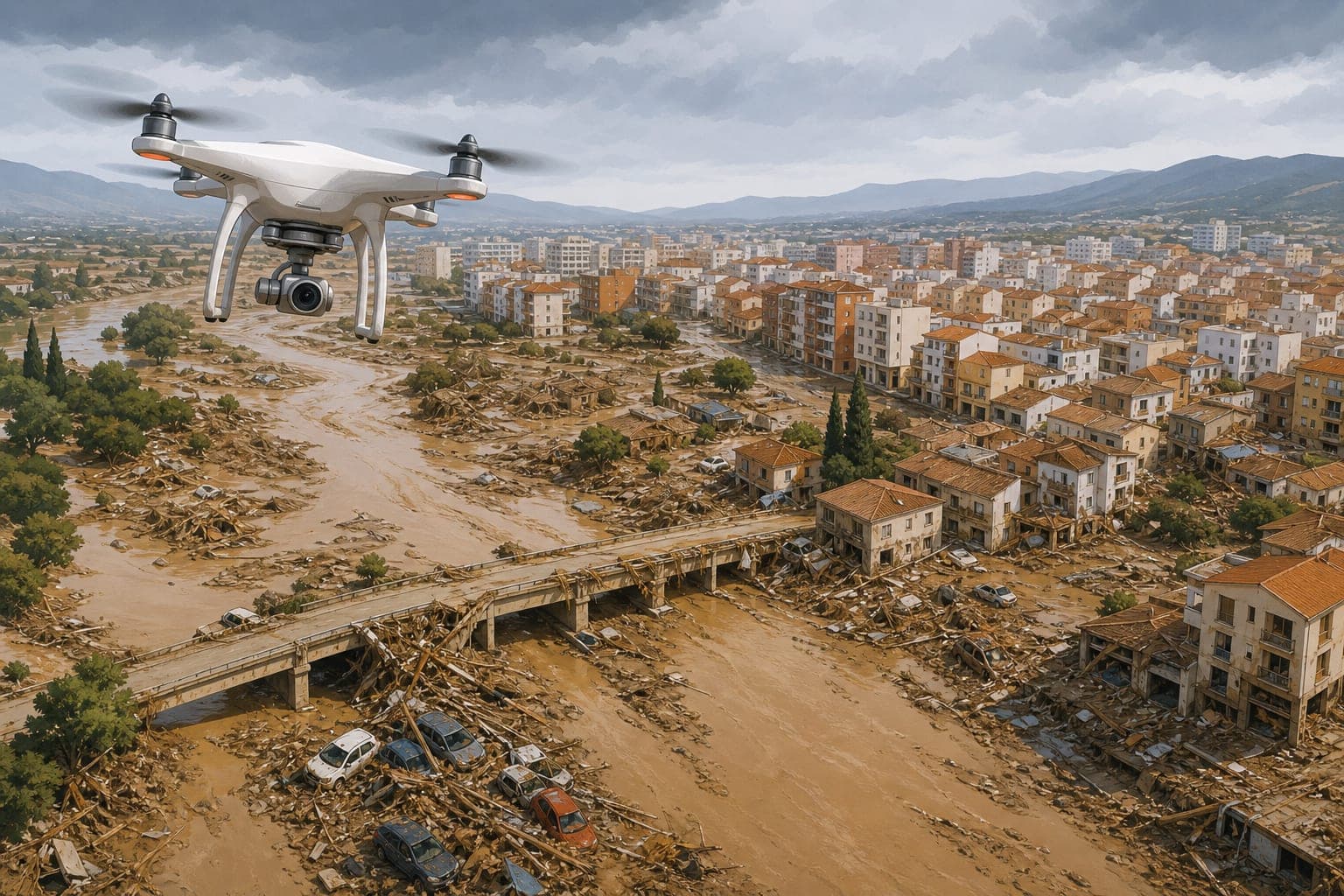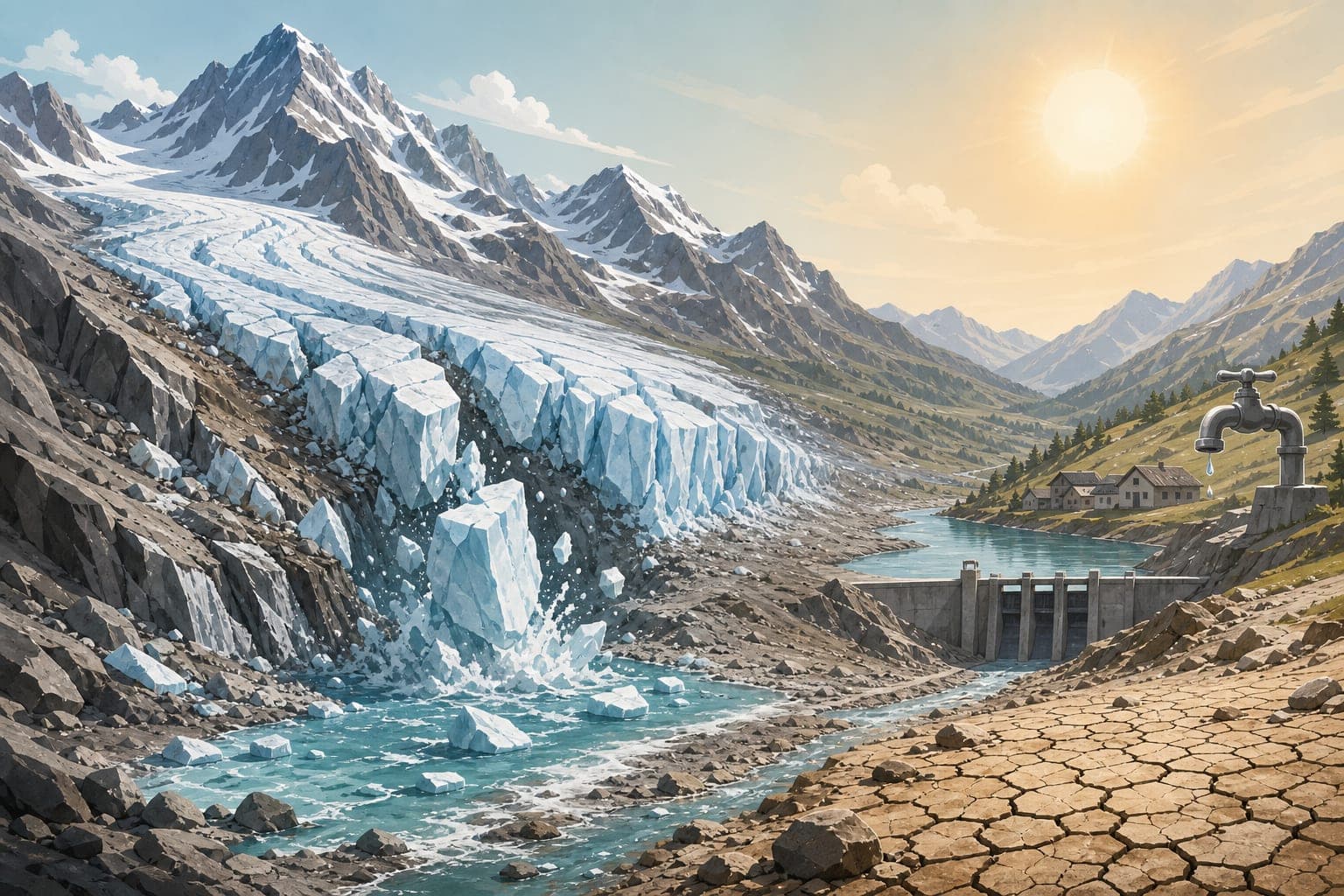
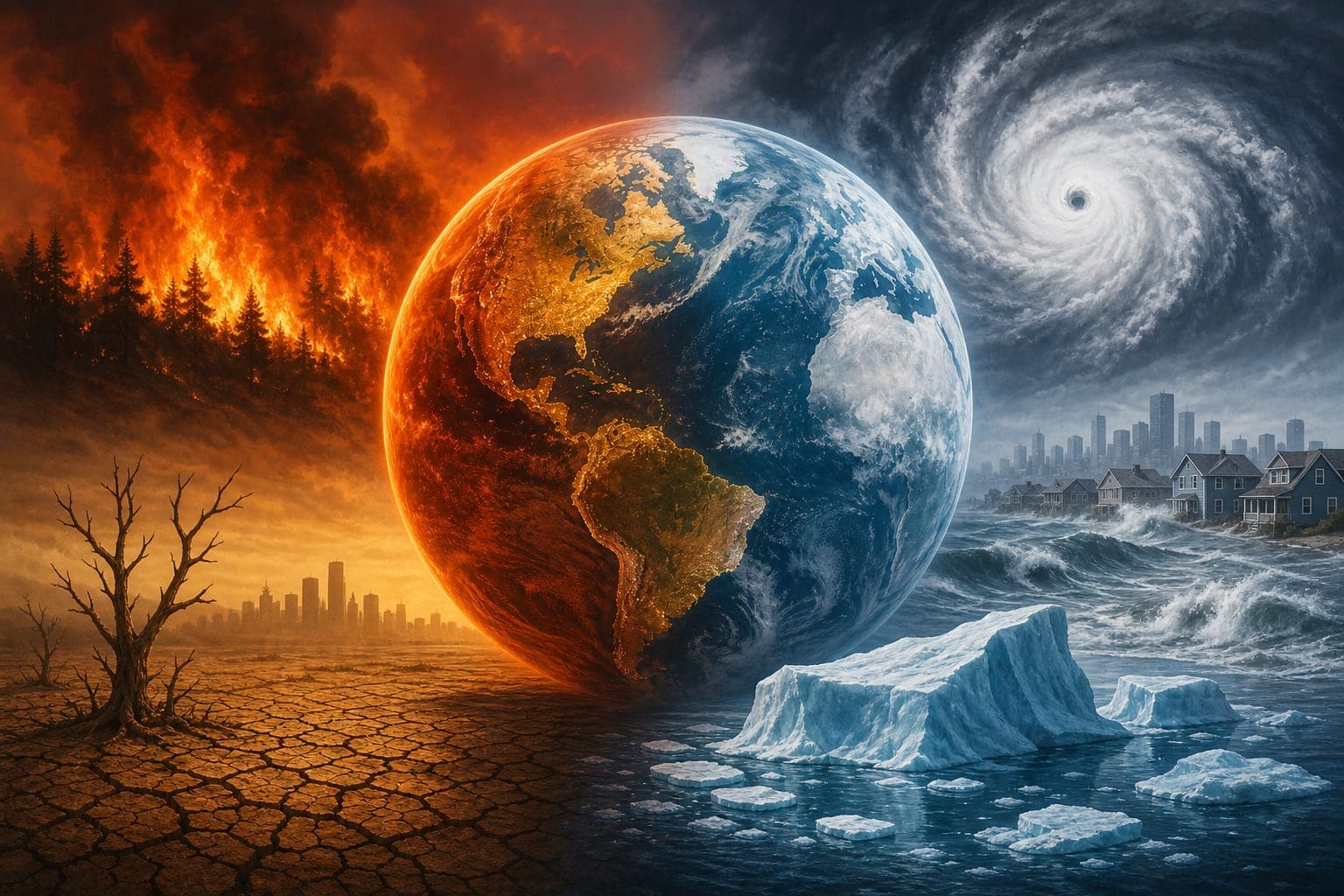
Seldom have climate scientists spoken with such urgency about the trajectory of extreme weather events worldwide. Researchers now warn that what was once considered fictional devastation is increasingly plausible. Heat waves, floods, storms, and droughts are intensifying as fossil fuel consumption continues unabated. According to leading experts, the world is inching toward catastrophic climate disruptions.
Global temperatures rose by 1.44 degrees Celsius above pre-industrial levels by 2025. This seemingly modest increase has amplified the frequency and severity of extreme weather phenomena considerably. Furthermore, this year's El Niño cycle is projected to be the strongest ever documented. Such conditions could push temperatures to unprecedented heights, compounding existing environmental vulnerabilities significantly.
Environmental tipping points represent another dimension of this escalating crisis. Between 2023 and 2025, approximately 84 percent of the world's coral reefs experienced severe heat stress. The Amazon rainforest, which stores vast quantities of carbon dioxide, faces degradation from drought and deforestation. Scientists now debate not whether the Amazon will become a net carbon emitter, but when.
Tim Lenton, a climate science professor at the University of Exeter, has articulated the growing consensus. He asserts that discussing worst-case scenarios is not alarmist but rather a scientific imperative. Similarly, climatologist Sonia Seneviratne likens the risk to the relationship between smoking and cancer. The probability of massive extreme events rises with every tenth of a degree of warming.
What distinguishes the current moment from previous decades is the diminishing interval between extreme events. Climate modeling has improved substantially, yet political will remains insufficient in many nations. Experts emphasize that communities can prepare effectively if they acknowledge the risks as genuine. Denial, however tempting as a coping mechanism, ultimately leaves populations more vulnerable to inevitable shocks.