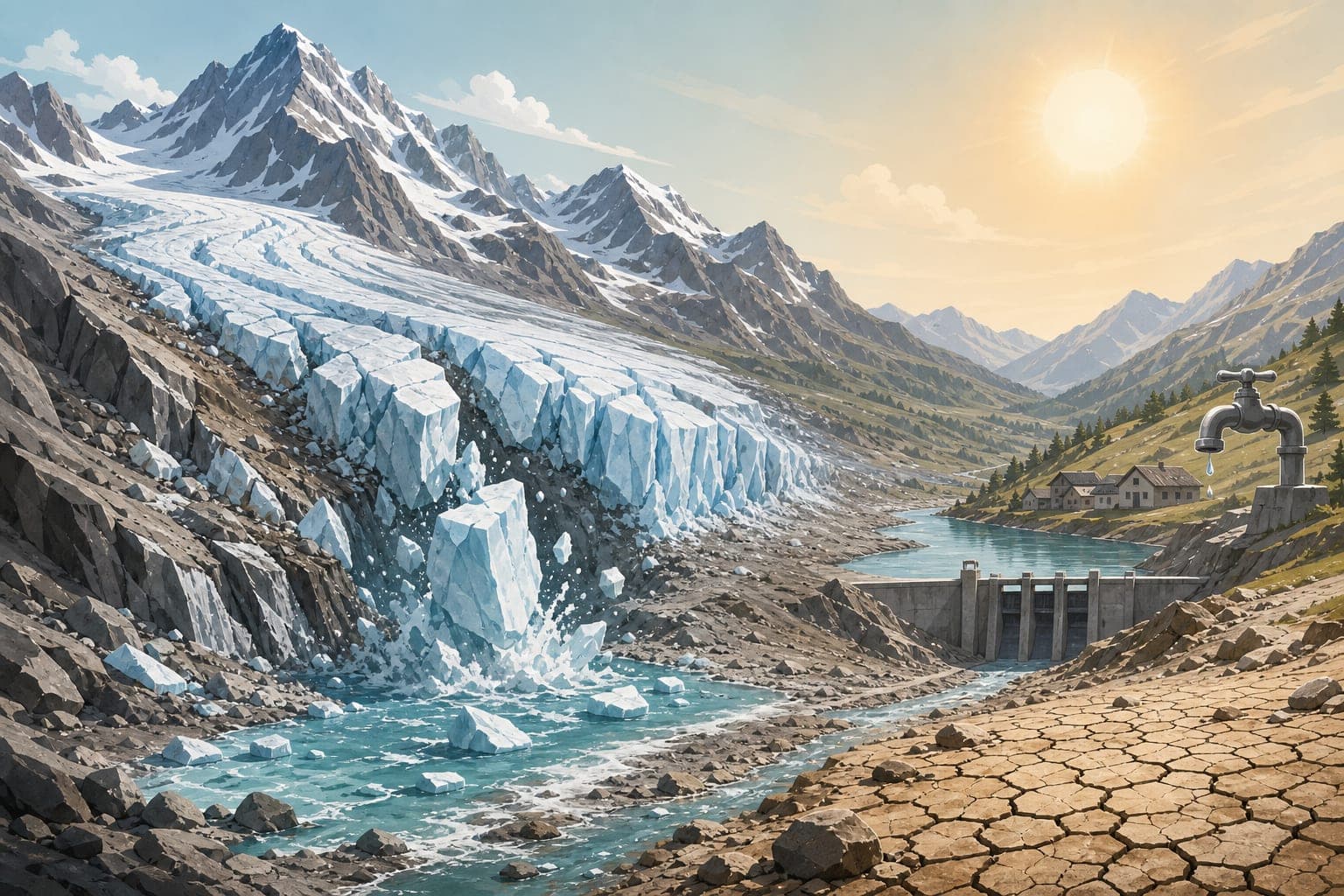
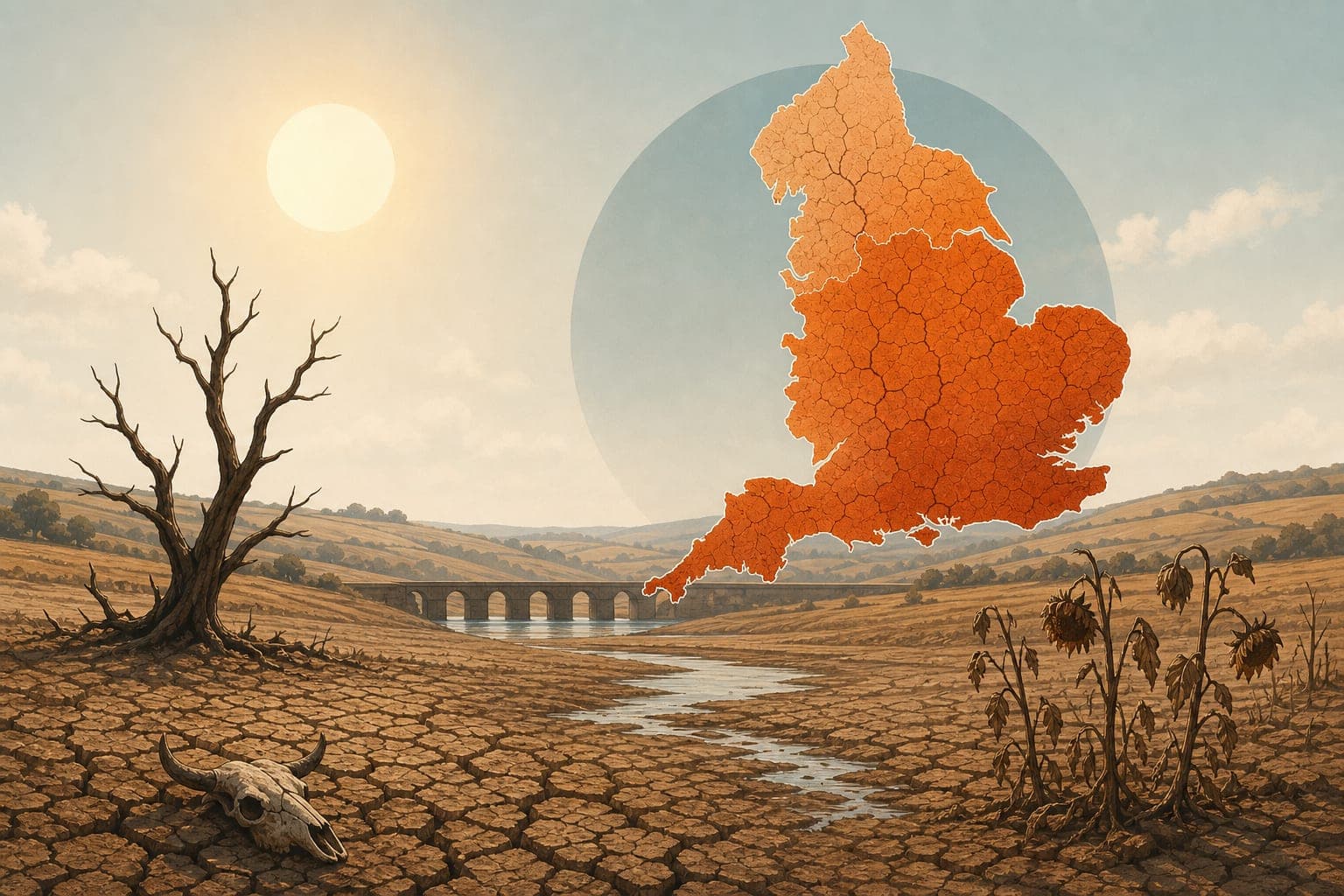
Half of England has officially been declared in drought by the Environment Agency. A combination of record-low rainfall and extreme heat caused this crisis. July has seen just seven per cent of expected rainfall across England. In southern regions, that figure has dropped to only one per cent. Three heatwaves, including twelve consecutive days above thirty degrees, have depleted water storage.
The drought has had severe consequences for agriculture and the natural environment. Farmers have warned that yields of potatoes, carrots, and apples could be halved. Water companies have imposed hosepipe bans in several regions across the country. Dead fish incidents have been increasing as rivers and streams dry up. Wildfires have also broken out in various locations due to the dry conditions.
This is England's third drought in the past five years, following events in 2022 and 2025. Scientists argue that climate change is making such events more frequent and more intense. Had the country invested more in water infrastructure, the impact could have been reduced. A House of Lords report concluded that England is not short of rainfall overall. Instead, the nation has been failing to capture, store, and reuse water effectively.
The Environment Agency has urged water companies to reduce leakage and find new water sources. Households have been asked to use water more wisely throughout the year. Experts recommend building more reservoirs and improving irrigation systems for farming. Without sustained rainfall this autumn, the drought is expected to continue well into next year. The crisis highlights the need for long-term resilience against increasingly unpredictable weather.