Seldom has a climate phenomenon generated such widespread apprehension among horticulturalists as the current El Niño event. According to NOAA's Climate Prediction Center, El Niño is strengthening considerably. There is now a greater than ninety percent probability of a very strong event during late 2026. This oscillation, driven by anomalous warming of Pacific Ocean surface waters, fundamentally disrupts established weather patterns. Consequently, gardeners must reckon with conditions that defy seasonal norms.
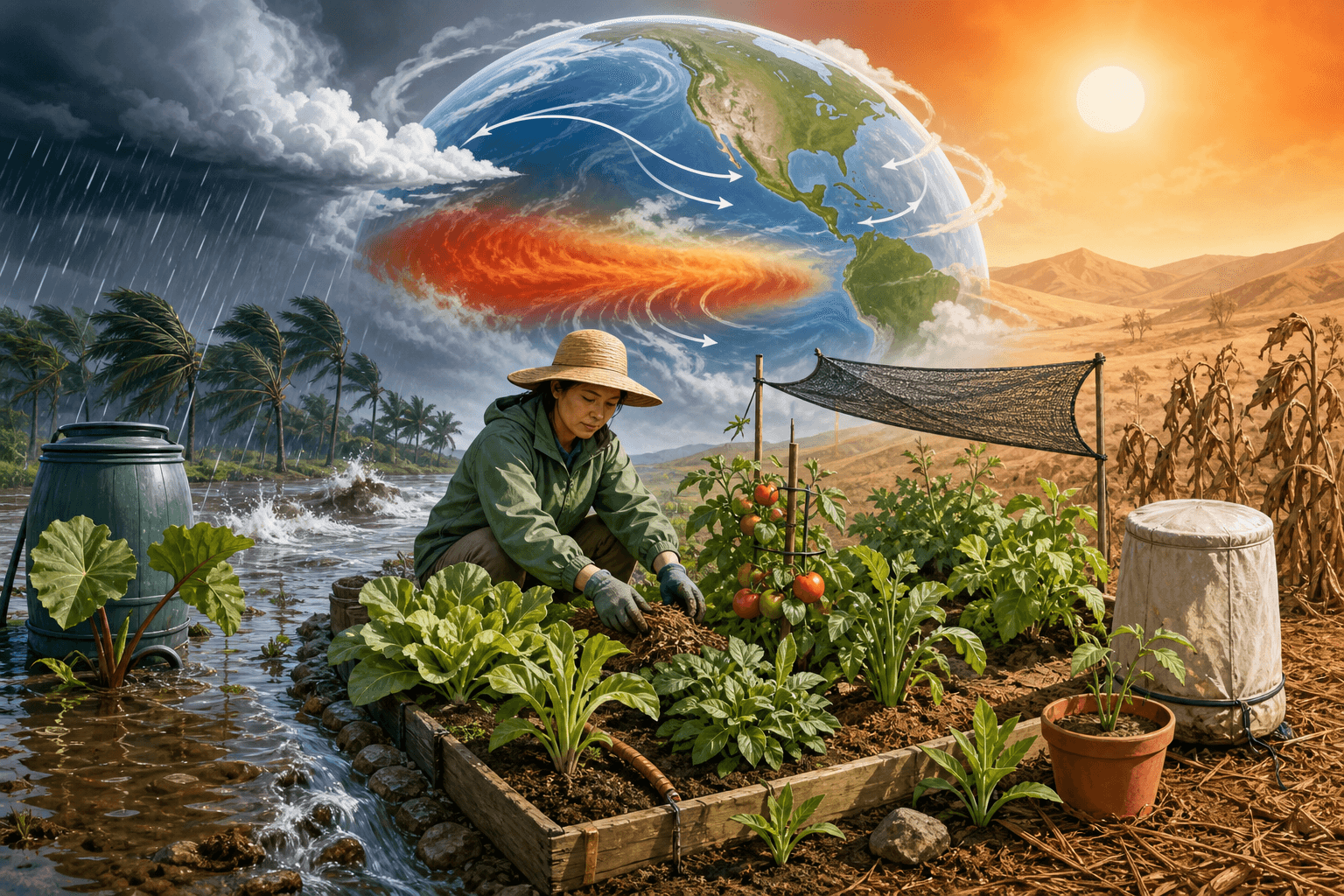
The ramifications for domestic gardens are both multifaceted and region-specific. In southern regions, wetter-than-normal conditions may precipitate waterlogging, root rot, and accelerated soil erosion. Conversely, areas that typically receive adequate rainfall could experience prolonged drought, depleting soil moisture reserves. What distinguishes this event is its anticipated intensity, which amplifies the unpredictability of precipitation and temperature fluctuations. Such volatility renders conventional gardening calendars largely unreliable.
Experts advocate a proactive rather than reactive approach to mitigating these risks. Improving drainage infrastructure before heavy rains arrive constitutes a critical first step. Amending garden beds with coarse organic matter enhances soil structure and prevents compaction under saturated conditions. Furthermore, applying mulch strategically can either conserve moisture in drought-prone areas or facilitate drainage where excess rainfall is anticipated. These interventions, though straightforward, can substantially bolster plant resilience.
Beyond soil management, plant selection warrants careful reconsideration during an El Niño cycle. Flood-tolerant and drought-resistant varieties offer inherent advantages under volatile conditions. Gardeners should also contemplate raised beds, which provide superior drainage and reduce vulnerability to standing water. Keeping frost cloth and row covers accessible remains prudent, as mild spells may be abruptly interrupted by sharp cold snaps. Diversifying one's planting schedule through succession planting further mitigates the risk of total crop loss.
Ultimately, the emerging consensus among climatologists suggests that El Niño events are intensifying in tandem with broader warming trends. This trajectory compels gardeners to adopt more adaptive and scientifically informed practices. Rather than adhering rigidly to traditional planting calendars, monitoring real-time soil conditions yields more reliable outcomes. The current El Niño serves as a compelling reminder that environmental stewardship begins in one's own garden. Preparedness, not complacency, will determine which gardens thrive through this climatic disruption.