On Monday, 16 February 2026, BBC Breakfast presenter Sally Nugent fought back tears during a live interview. A bereaved mother sobbed on air, pleading for access to her late son's social media accounts. The emotional exchange captured a growing tension between grieving families and powerful technology companies. Her desperate words resonated with millions of viewers across the United Kingdom.
The mother at the centre of this debate is Ellen Roome, whose fourteen-year-old son Jools Sweeney died in April 2022. Roome believes Jools died after an online challenge went wrong, yet social media companies refused her access to his accounts. They cited data protection policies and terms of service as justification for withholding the information. Roome has since dedicated herself to campaigning for legislative reform, stating she is desperate to understand what happened.
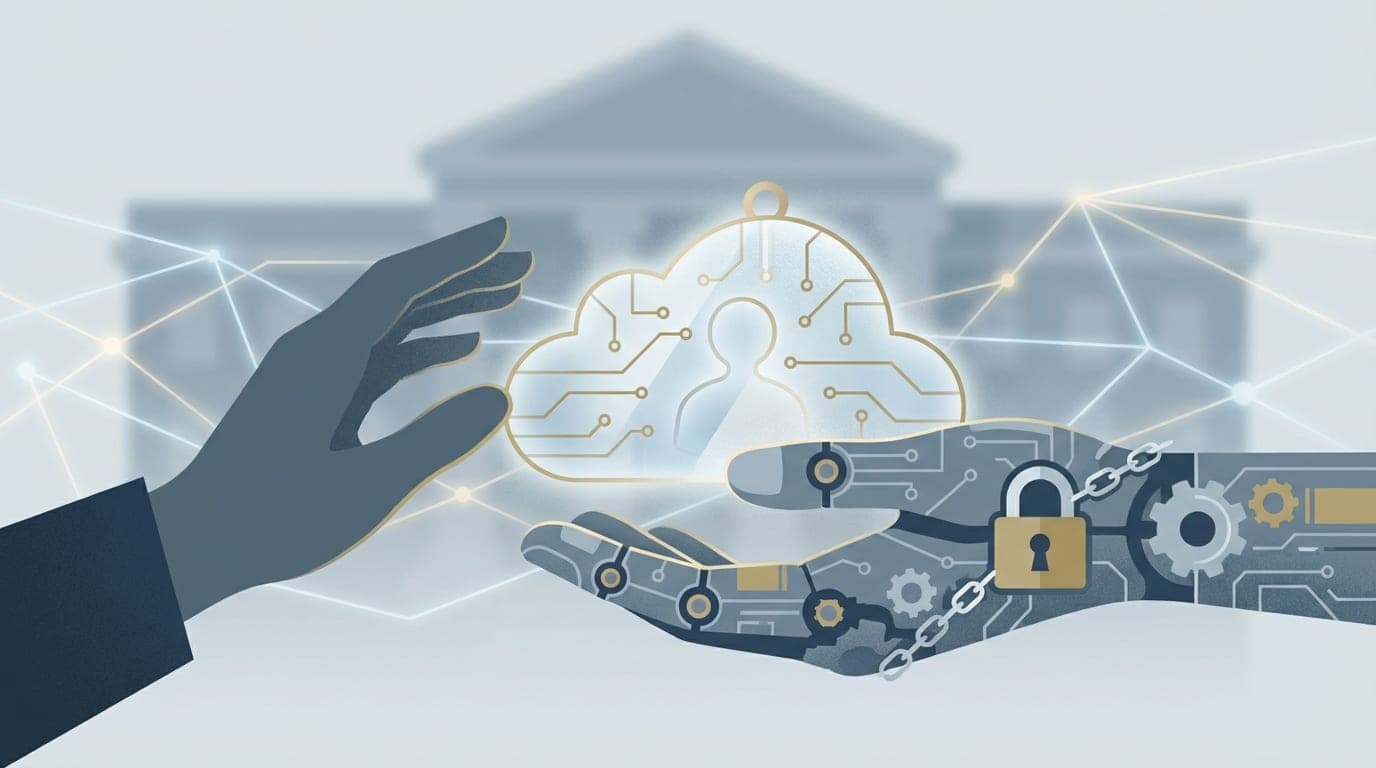
Her persistence has yielded a landmark result. The UK government confirmed it will introduce Jools' Law as an amendment to the Crime and Policing Bill. This legislation demands that social media companies automatically preserve children's online data following a death. It represents the first law of its kind anywhere in the world, fundamentally altering how digital evidence is handled.
The case illuminates a broader predicament within contemporary jurisprudence regarding digital legacy. In the UK, the law does not automatically grant bereaved families access to a deceased person's digital assets. Each platform maintains its own procedures, ranging from account memorialisation to outright deletion. Data protection regulations such as GDPR further complicate matters, creating formidable barriers for families seeking answers.
Seldom has a single campaign so profoundly reshaped the intersection of technology and bereavement law. Roome herself acknowledges that Jools' Law is not retrospective and will not help her own case. Nevertheless, her advocacy ensures that future bereaved parents will not face the same institutional obstruction. The debate compels society to reconsider who truly controls our digital lives after we die.