Scientists have long believed that the brain creates consciousness. They have studied how brain activity connects to thoughts and feelings. However, one important scientist is now challenging this idea. Christof Koch, a well-known neuroscientist, argues that consciousness might be fundamental. He presented his ideas at a major conference in Portugal in 2026.
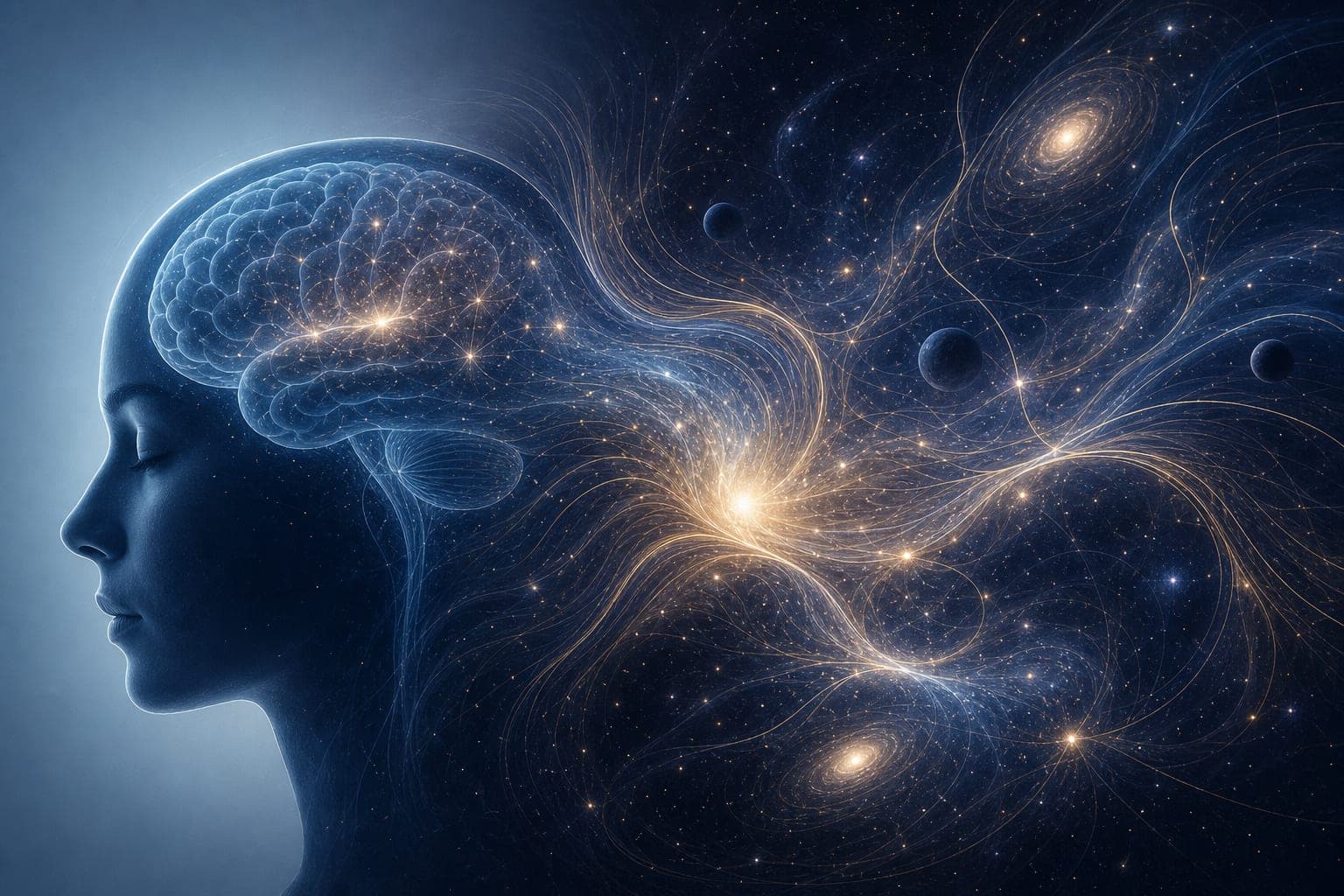
Koch does not deny the brain's role in conscious experience. Research has shown that injuries and disease can change or remove awareness. However, he believes the brain may work more like a filter. Instead of producing consciousness, it might shape something that already exists. This view treats the brain as a receiver rather than a creator.
Koch supports a theory called Integrated Information Theory. This theory proposes that consciousness arises in deeply connected systems. If a system combines enough information, it could have some experience. This idea is related to an older philosophy called panpsychism. Panpsychism suggests that consciousness is present throughout the universe.
Many scientists remain uncertain about these ideas. Traditional science has not yet explained why brain activity creates feelings. This gap is known as the "hard problem" of consciousness. If consciousness were truly fundamental, it would change how we understand reality. The debate between these views continues to grow among researchers.