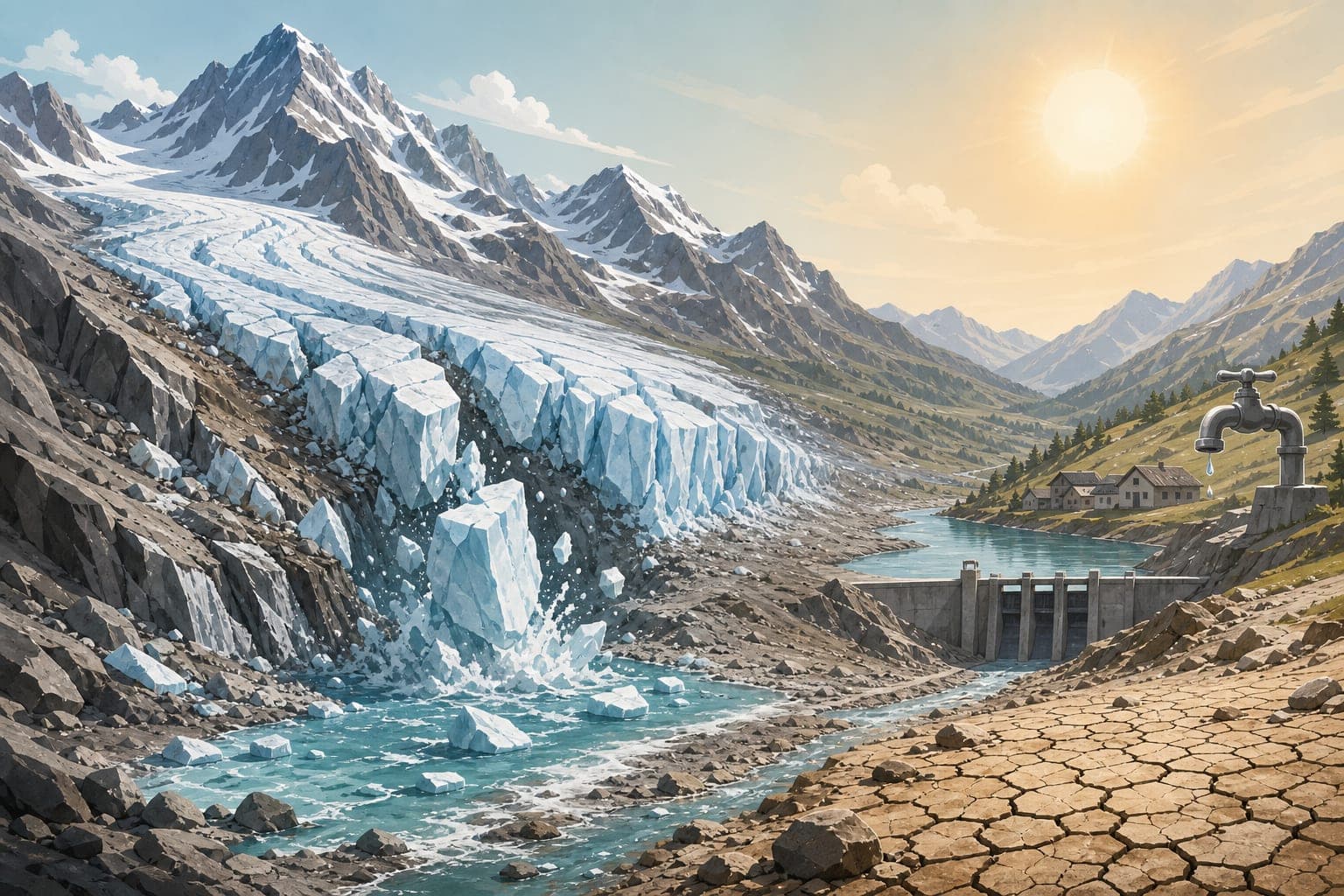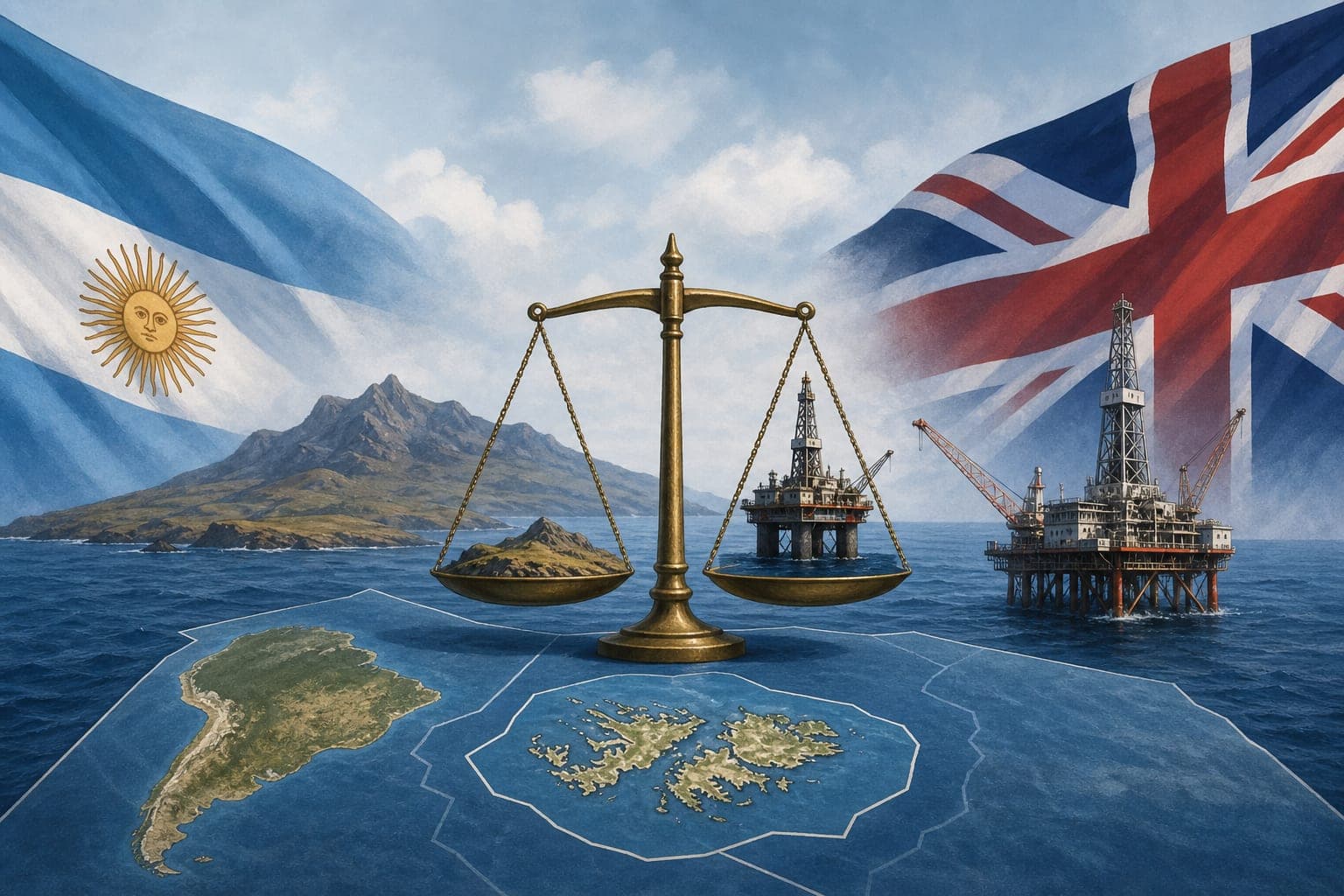

Seldom has a newly appointed leader confronted such a politically charged dilemma in the opening days of office. Andy Burnham, who became the United Kingdom's Prime Minister in July 2026, faces an intensifying dispute over North Sea oil drilling. Climate campaigners are urging him to uphold Labour's manifesto pledge to ban new exploration licences. Meanwhile, energy industry representatives contend that expanded domestic production is essential for economic stability.
At the heart of the controversy lie the Rosebank and Jackdaw oil and gas fields off the Scottish coast. These projects were initially approved under the previous Conservative government but were subsequently overturned following a legal challenge in 2025. Rosebank, situated approximately 130 kilometres northwest of the Shetland Islands, constitutes Britain's largest untapped oil reserve. Drilling there could release an estimated 250 million tonnes of carbon dioxide over twenty-five years.
Proponents of new drilling argue that such projects would bolster energy security and generate employment in declining industrial regions. Fossil fuel industry representatives have claimed that domestic production would strengthen the economy and reduce dependence on imports. However, energy transition researchers have disputed these assertions, noting that most North Sea crude is exported rather than consumed domestically. This undermines the premise that new extraction would meaningfully enhance national energy self-sufficiency.
Environmental organisations, including Global Witness and Greenpeace, have condemned the prospect of greenlighting new drilling as incompatible with climate commitments. Labour's 2024 manifesto explicitly stated that new licences would neither reduce household bills nor improve energy security. Analysts at Chatham House have further cautioned that reversing this pledge could damage the United Kingdom's international credibility. Such a symbolic retreat would undermine the stable foundations upon which a new energy economy is being constructed.
The broader implications of this debate extend well beyond British shores. A report by Oil Change International found that all five major North Sea producing countries are failing to align extraction policies with the Paris Agreement. Urgent action is required to phase out fossil fuel production and transition to renewable energy economies. Whether Burnham prioritises pragmatic short-term economic relief or adheres to long-term climate commitments will signal his government's fundamental orientation. Rarely has a single policy decision carried such profound consequences for both domestic governance and international climate diplomacy.