
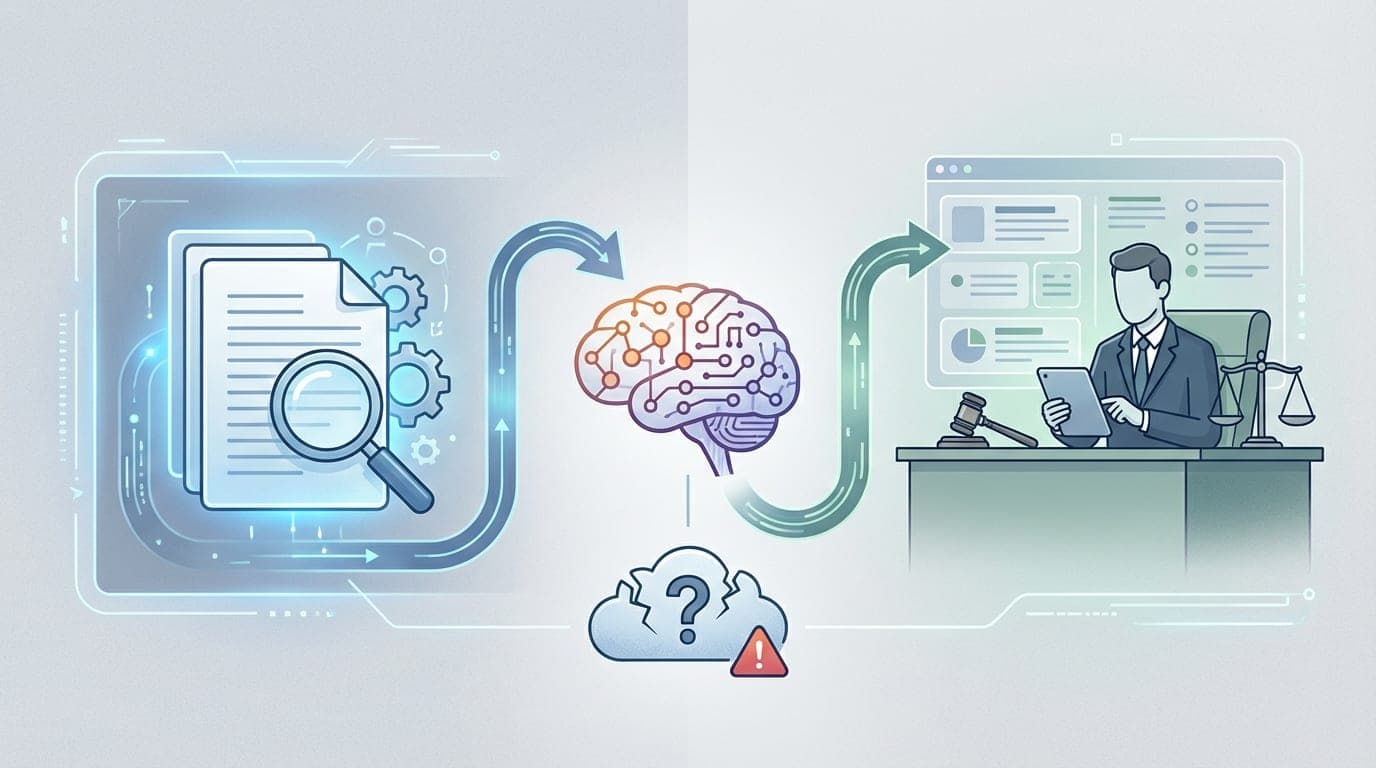
Artificial intelligence has fundamentally altered how personal injury attorneys conduct their daily work. Seldom has a technological advancement been adopted so rapidly within the legal profession. According to recent surveys, seventy percent of attorneys now use AI tools at least once per week. This unprecedented rate of adoption signals a paradigm shift in how legal services are delivered. The transformation extends from initial case intake through final settlement negotiations.
What distinguishes AI's most compelling application is its capacity for exhaustive document review. Personal injury cases frequently involve hundreds of pages of medical records and accident reports. AI platforms can process thousands of pages in seconds, identifying critical details that humans might overlook. These tools generate medical chronologies, flag treatment gaps, and detect inconsistencies across providers' notes. Consequently, the true opportunity resides in systematic review rather than mere answer generation.
Despite these efficiency gains, the proliferation of AI in legal practice raises significant ethical concerns. AI systems are prone to hallucinations, producing fabricated case citations that appear entirely authentic. A Stanford study revealed that even specialized legal AI tools hallucinate between seventeen and thirty-three percent of the time. Attorneys who have submitted AI-generated falsehoods to courts have faced sanctions and professional reprimands. Such incidents underscore the indispensable role of human verification in legal proceedings.
The regulatory landscape surrounding AI in law continues to evolve at a considerable pace. Multiple state bar associations have published formal guidance on integrating AI into legal practice responsibly. Courts increasingly require attorneys to disclose their use of AI tools in submitted documents. Furthermore, governance frameworks now mandate that human oversight accompany all AI-generated legal outputs. These measures reflect a growing consensus that accountability must parallel technological innovation.
Looking ahead, the legal profession must reconcile AI's remarkable efficiency with its inherent limitations. Firms that implement robust protocols for verifying AI outputs will likely gain a competitive advantage. Rather than replacing attorneys, AI serves as a force multiplier for handling repetitive, data-intensive tasks. The emerging consensus suggests that AI should complement professional judgment, not supplant it. Ultimately, the practitioners who thrive will be those who harness AI prudently.