
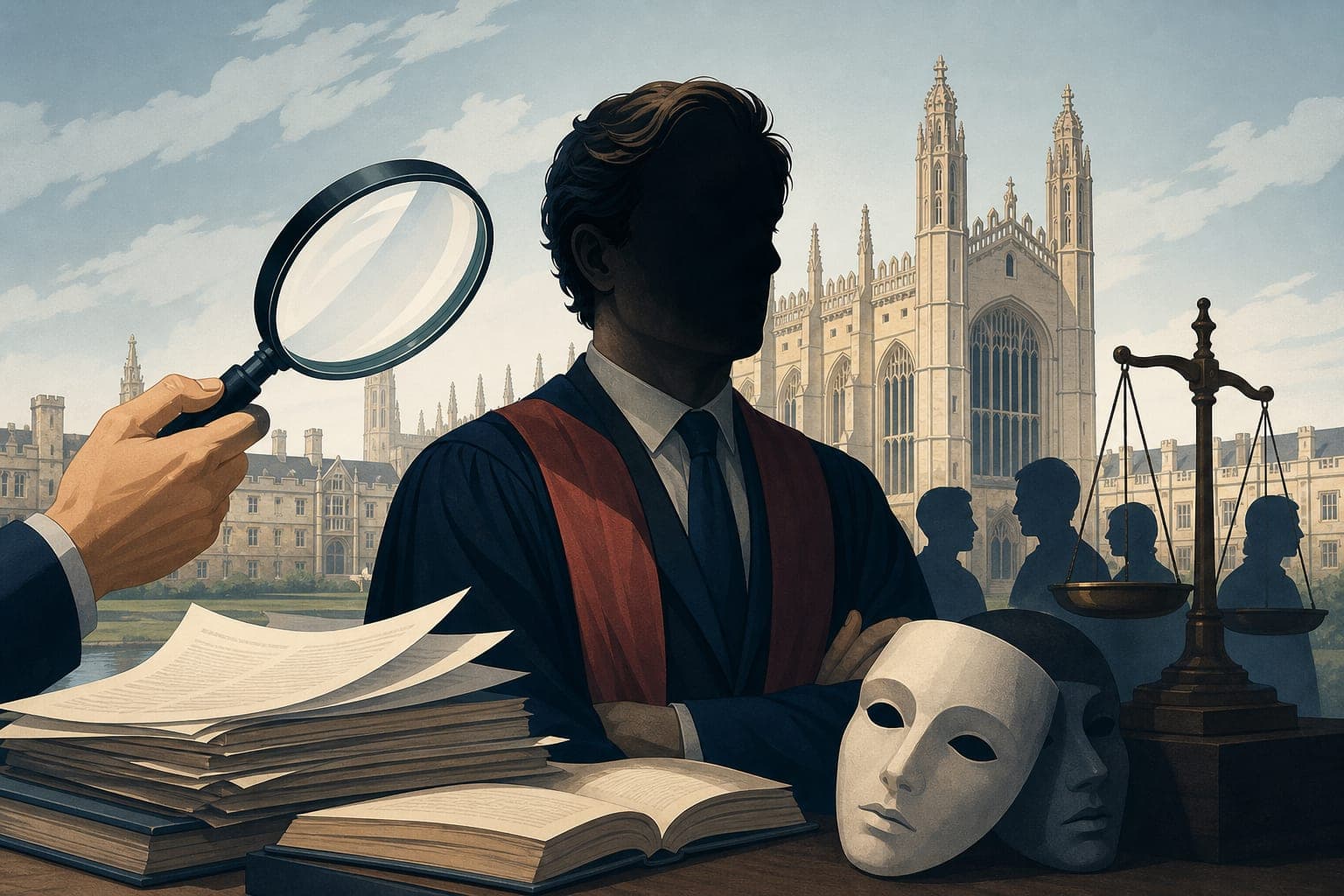
Seldom has a single academic controversy exposed so many tensions within higher education simultaneously. Professor Jason Arday, celebrated as the youngest Black professor in Cambridge University's history, now faces serious allegations. These include accusations of plagiarism in his doctoral thesis and questions about unverified personal claims. The case has generated international media coverage and divided the academic community into opposing camps.
An independent analysis identified over 180 passages in Arday's PhD thesis that closely matched an earlier dissertation. The earlier work belonged to a Brunel University student and was submitted in 2009. Statisticians have estimated the probability of such overlap occurring by chance at one in 100 billion. Several emeritus professors have publicly stated that the textual similarities constitute serious plagiarism.
Beyond the plagiarism allegations, journalists have scrutinised several of Arday's personal claims. He reported that a severed pig's head was delivered to his family home as an act of intimidation. However, the Metropolitan Police stated that no such investigation had taken place. The butchers Arday named also denied receiving any police visit regarding the incident.
Cambridge University has characterised the accusations as a vile campaign to undermine the professor's credibility. A letter of solidarity garnered over 600 signatories, including many of Arday's colleagues. Nevertheless, a growing faction of senior academics has demanded an independent inquiry into the matter. A draft resolution is reportedly circulating among staff, stressing the imperative of upholding academic integrity.
This controversy raises profound questions about how elite institutions handle misconduct allegations involving prominent figures. Critics contend that universities often prioritise institutional reputation over transparency and rigorous investigation. Had the university addressed the initial concerns promptly, the ensuing reputational damage might have been mitigated. The case ultimately illustrates the complex intersection of academic ethics, identity politics, and institutional power.