Seldom has a single technology provoked such intense debate within the gaming industry as generative artificial intelligence. At the Steam Indie Connect event in Busan, South Korea, Valve addressed mounting concerns from independent developers. Many fear that AI-powered tools now enable the rapid proliferation of low-quality clone games. The October 2026 Steam Next Fest featured over seven thousand demos, nearly double the previous edition's count.
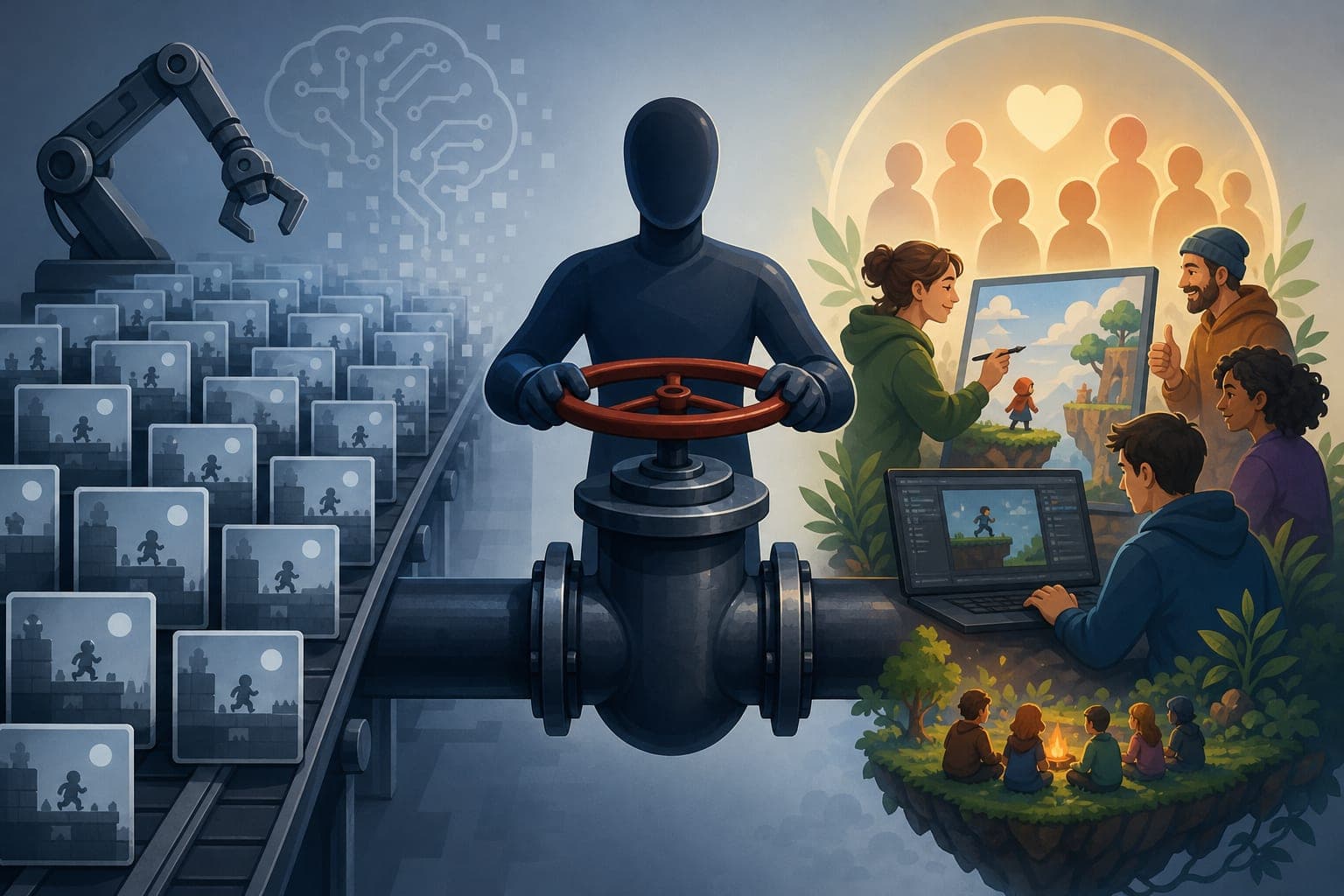
Valve's representatives, Tom Giardino and Marc Wilkinson, adopted a notably restrained stance on the matter. Giardino stated that Valve does not wish to act as a gatekeeper dictating which tools developers should use. Rather than imposing restrictions, the company intends to enhance its discoverability algorithms. This approach prioritises smarter platform design over outright prohibition of AI-generated content.
A particularly alarming dimension of this controversy involves extortion threats directed at independent studios. Developers reported receiving emails warning that their games would be cloned using AI unless they paid a ransom. Giardino acknowledged the gravity of such threats but suggested that extortion falls within the purview of law enforcement. He encouraged affected developers to report these incidents through official channels.
Valve's broader counsel to developers centred on resilience through authenticity and sustained engagement. The company advised studios to cultivate loyal communities and deliver consistent updates to their titles. Trust built with players, Valve argued, constitutes the most robust barrier against imitation. A game enriched by ongoing creativity and distinctive identity cannot be easily replicated by copying a single mechanic.
Nevertheless, this stance has not been universally embraced by the development community. Critics contend that smaller studios lack the resources to compete against an unprecedented deluge of derivative works. The tension between technological openness and the imperative to safeguard original creators remains unresolved. How platforms navigate this dilemma may ultimately reshape the landscape of independent game development.