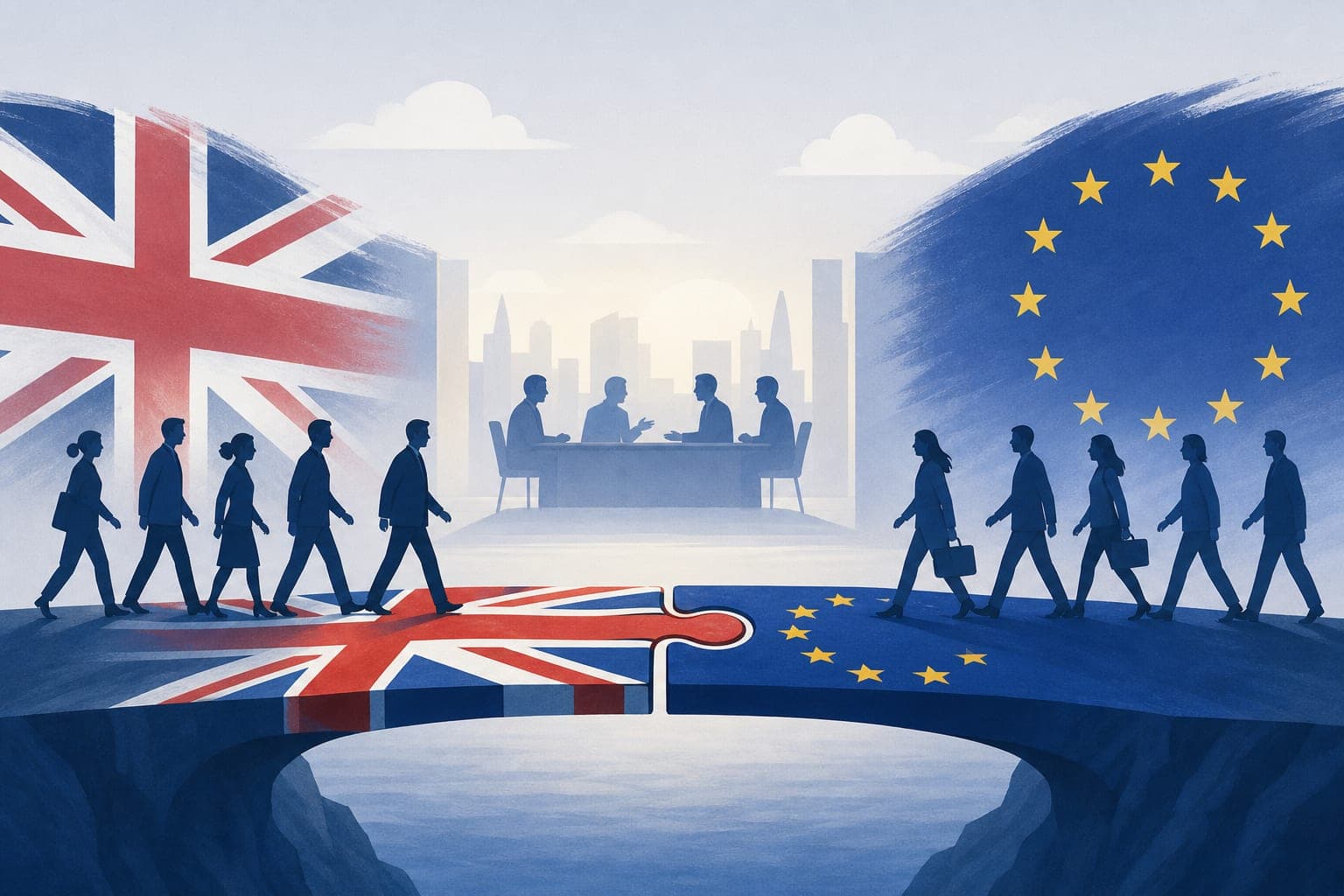
In a significant shift in British European policy, UK and EU officials have commenced talks on the future bilateral relationship. These discussions encompass a potential return to freedom of movement between the two territories. Business Secretary Jonathan Reynolds confirmed that officials on both sides would engage before the summit. The November meeting in Brussels represents only the second annual UK-EU summit since Britain's withdrawal. Seldom has a single policy issue generated such polarised debate across the political spectrum.
Prime Minister Andy Burnham's remarks have been the catalyst for this renewed dialogue. In an interview published on 25 October, he advocated for an evidence-based reassessment of freedom of movement. He argued that migration patterns had fundamentally changed since the 2016 referendum. Burnham further contended that the post-Brexit arrangement had done more harm than good to the British economy. His intervention represents a potential realignment rather than an immediate reversal of existing policy.
The proposed discussions extend beyond the singular issue of labour mobility. Burnham emphasised that freedom of movement should be evaluated alongside data-sharing and migration cooperation. He specifically referenced the loss of access to Eurodac, the EU's shared database for managing asylum claims. Were Britain to rejoin such frameworks, it could enhance its capacity to address irregular migration. This holistic approach distinguishes the current proposal from previous, more narrowly conceived negotiations.
Nevertheless, the initiative has provoked considerable opposition from critics who view it as a betrayal. Nigel Farage, leader of the Reform UK party, denounced the proposal as fundamentally undermining the Brexit mandate. Restoring reciprocal rights would require a negotiated international agreement and corresponding domestic legislation. Political willingness alone does not establish legal entitlements, nor does it guarantee EU acceptance. Any major constitutional change of this magnitude would likely require an electoral mandate before implementation.
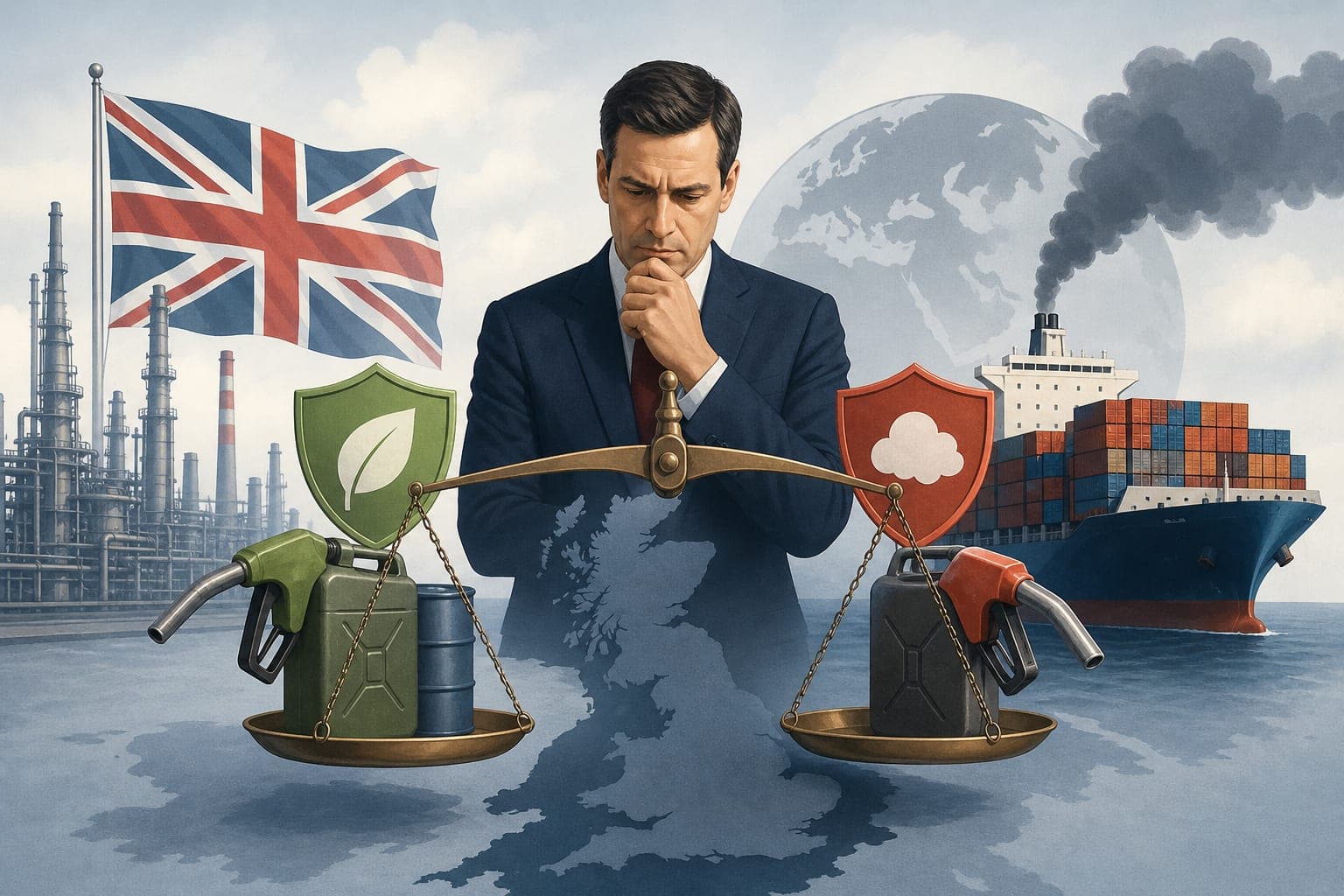
The forthcoming summit on 20 November is expected to address trade, security, and the reduction of barriers. Agreements on agri-food trade, emissions trading, and a youth mobility scheme are anticipated outcomes. Should these preliminary negotiations yield substantive progress, they could reshape the trajectory of UK-EU relations. The implications for economic growth, immigration policy, and diplomatic cooperation remain profound. What ultimately emerges from these discussions will have ramifications for generations to come.