
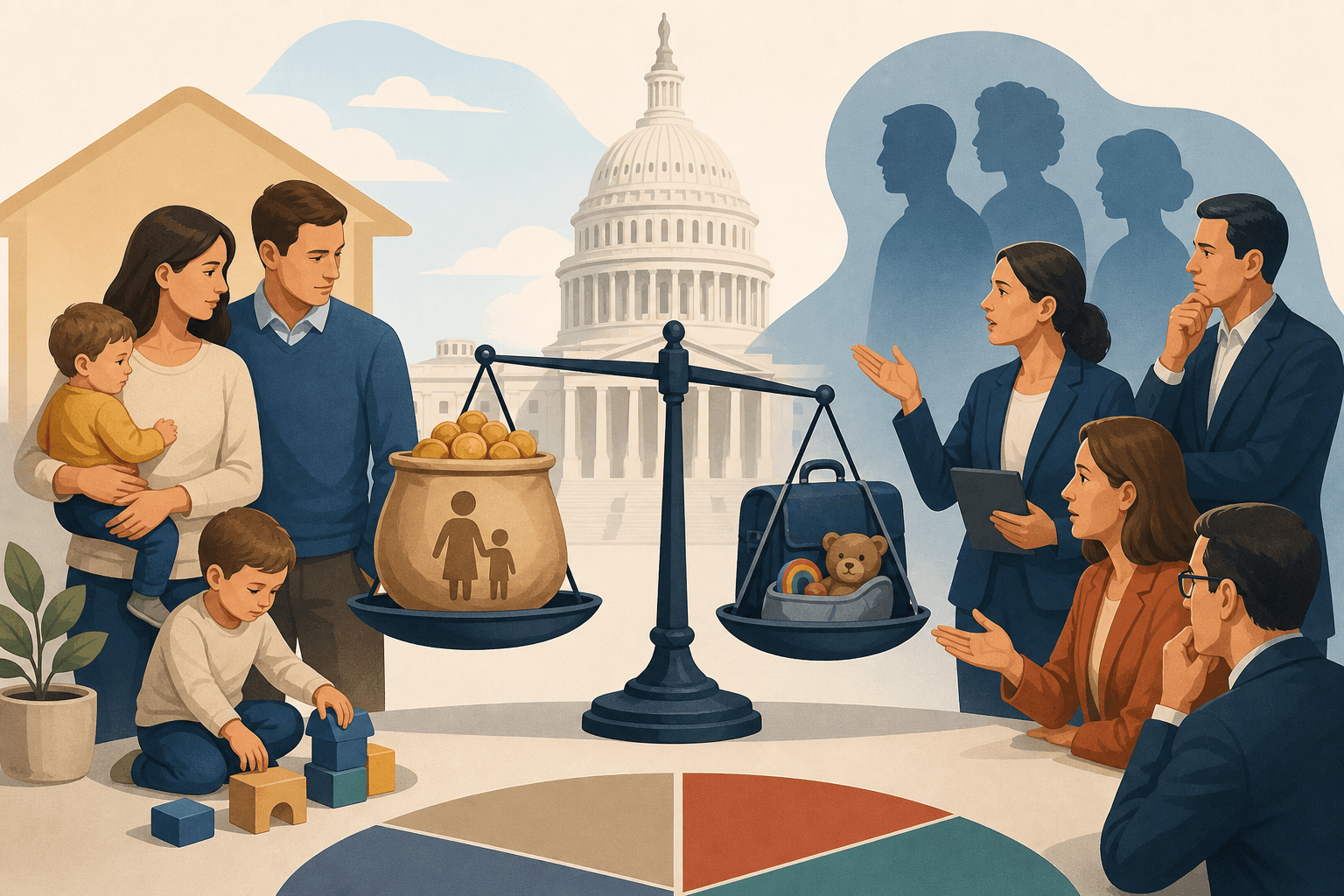
Seldom has a single policy proposal so sharply divided opinion on the intersection of family life and public spending. The Trump administration is reportedly drafting a regulatory change to the Child Care and Development Fund. This $12 billion federal program was originally conceived to help low-income working parents afford professional childcare. Under the proposed revision, married couples with a stay-at-home spouse would also become eligible for subsidies.
The initiative, championed by Vice President JD Vance, would create a new category termed parent-based childcare. Eligible families could receive approximately $9,000 per child annually, provided the working spouse logs at least 35 hours weekly. Crucially, the benefit would apply exclusively to married couples, rendering unmarried and single parents ineligible. The fund currently serves roughly 870,000 families, of whom approximately 80 percent are single working-parent households.
Proponents contend that the policy rectifies a longstanding inequity in how the government values caregiving labor. They argue that parent-led care deserves the same institutional recognition as professional childcare. Had previous administrations acknowledged this disparity, advocates suggest, fewer families would have faced financial hardship for choosing home-based care. The Heritage Foundation has described the proposed change as equal treatment for stay-at-home parents.
Critics, however, warn that expanding eligibility without increasing the fund's overall allocation will inevitably dilute resources. Family policy experts have cautioned that more parents would be competing for the same finite pool of dollars. The National Women's Law Center has characterized the proposal as part of a broader pronatalist agenda. Opponents further argue that the marriage requirement could reinforce traditional gender norms and disproportionately disadvantage single mothers.
The proposal raises fundamental questions about the role of government in shaping family structures and labor markets. Were the rule to be finalized, it would not require congressional approval, potentially taking effect as early as next year. Nevertheless, legal scholars have questioned whether conditioning federal benefits on marital status is constitutionally permissible. This contentious debate underscores the profound tension between competing visions of childcare policy in the United States.