
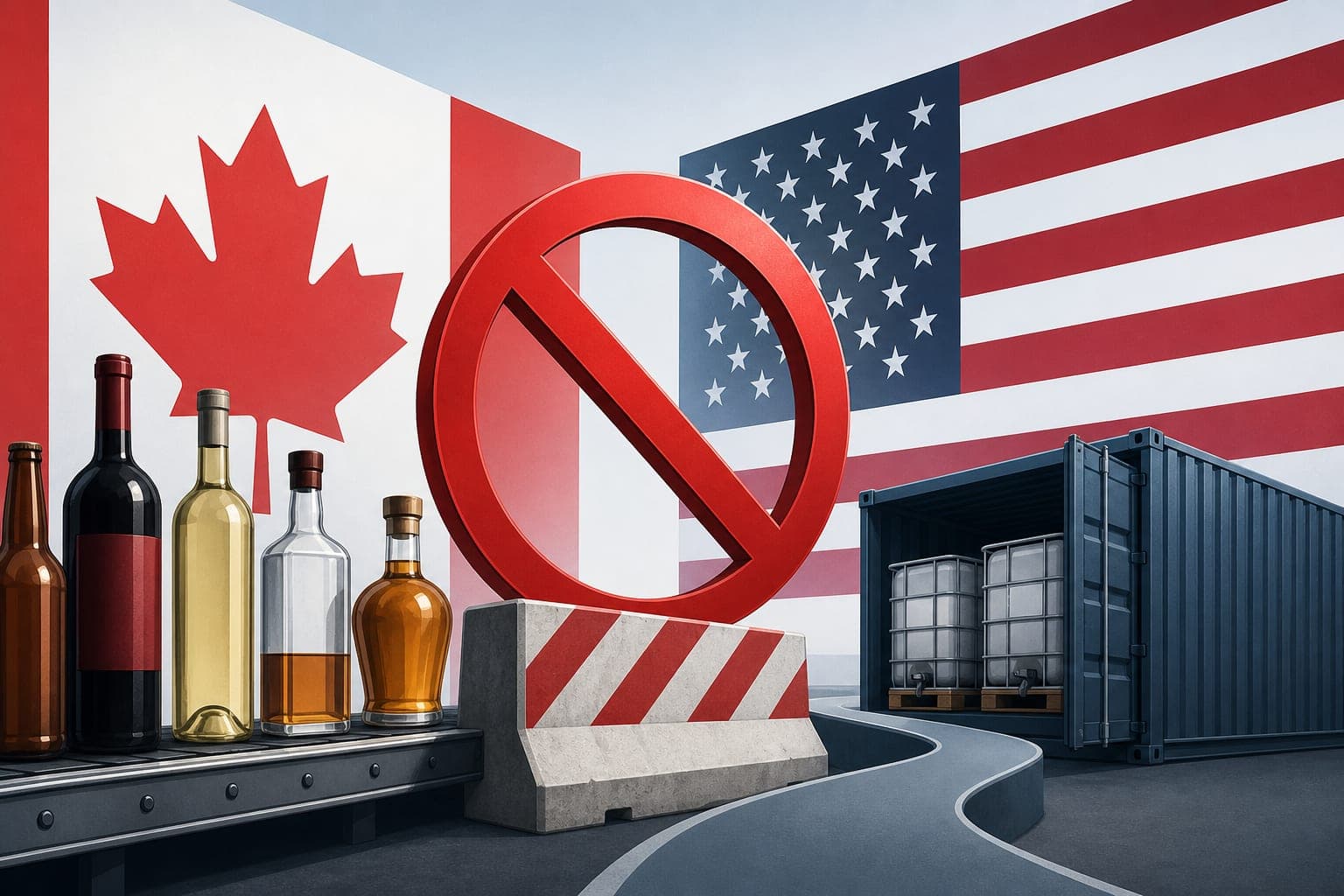
Seldom has a trade measure so starkly illustrated the deterioration of relations between two historically close allies. On September 29, President Trump's ban on Canadian alcohol imports took effect. The unprecedented prohibition targets beer, wine, cider, whiskey, and other spirits packaged for direct consumption. This escalatory action affects approximately $800 million in Canadian alcoholic beverages imported annually.
Notably, the ban contains a significant caveat that undermines its apparent severity. Bulk alcohol shipments destined for rebottling within the United States remain exempt from the restrictions. Industry analysts suggest this loophole could substantially mitigate the ban's immediate impact on American consumers. Distributors had also stockpiled Canadian products in anticipation of the prohibition taking effect.
The dispute's origins lie in retaliatory measures adopted by Canadian provinces beginning in March 2025. Government-run liquor stores across Ontario, British Columbia, and Quebec removed American spirits from their shelves. This provincial retaliation precipitated a staggering 70% decline in U.S. spirits exports to Canada. The White House has characterized Canada's actions as discriminatory against American producers.
The ramifications extend well beyond the alcohol sector, encompassing dairy products, motorcycles, and other goods. In total, the bans cover nearly one billion dollars in Canadian imports. The Canadian spirits industry faces particularly acute vulnerability, given that 93% of its exports flow southward. Industry stakeholders on both sides have urged their respective governments to resume negotiations expeditiously.
Whether this prohibition will compel Canada to capitulate remains uncertain. Canadian Prime Minister Mark Carney has signaled no willingness to concede on unfavorable terms. Meanwhile, U.S. Trade Representative Jamieson Greer indicated there was no urgency to finalize an agreement. The protracted standoff threatens to disrupt supply chains and diminish consumer choice across North America.