Turkey has adjusted its natural gas pricing structure to protect household consumers. The state pipeline operator BOTAŞ raised consumption thresholds for November and December. This decision was made after October energy bills arrived with unexpected results. Many more households than anticipated had exceeded the original tier limits. The adjustment aims to reduce the financial burden on residential subscribers.
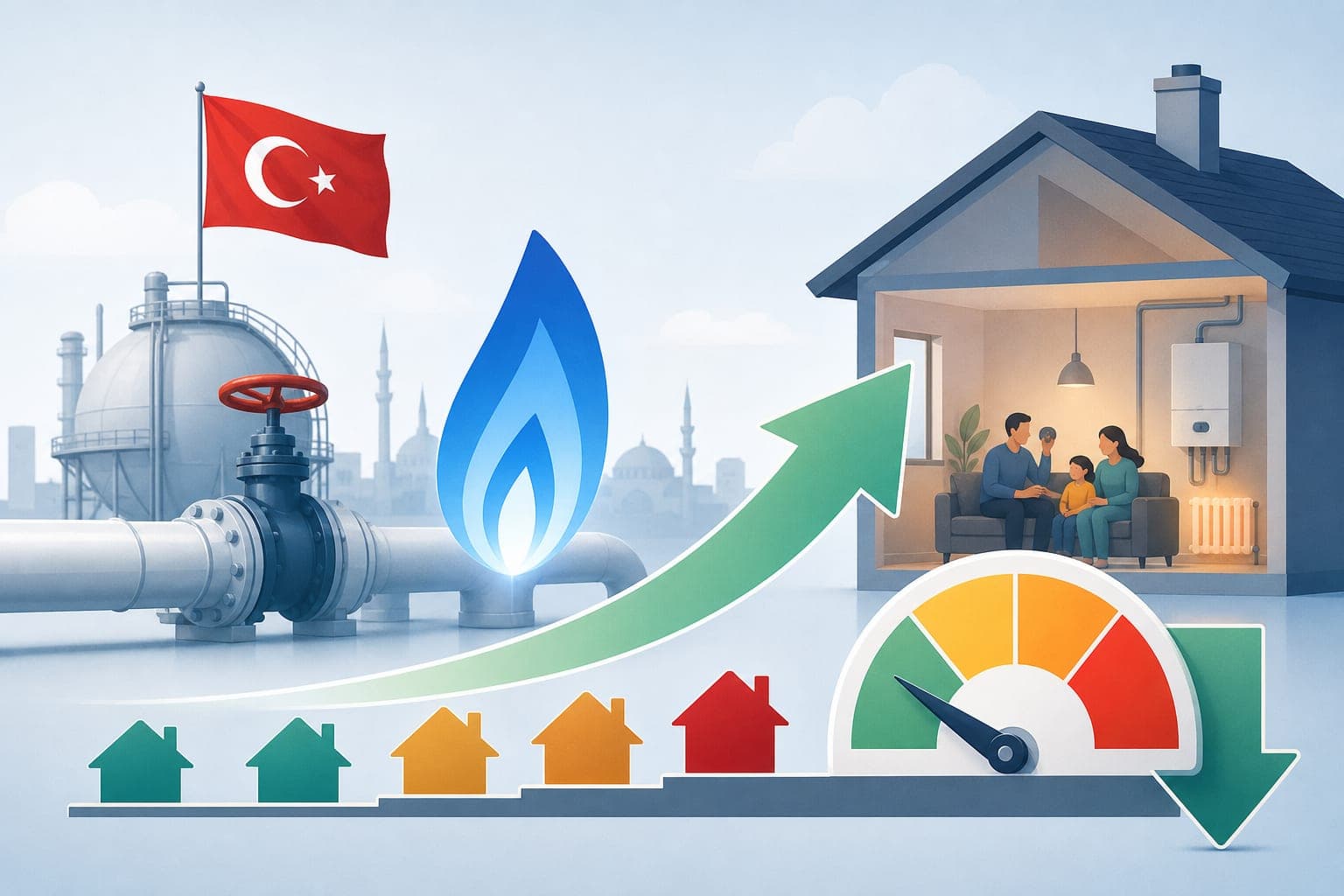
The tiered pricing system was first introduced on April 4, 2026. Under this system, households that stay within set consumption limits pay a subsidized rate. Those who exceed the threshold are moved into a higher-cost bracket automatically. The price difference between the two tiers is significant for average families. For every 100 cubic meters of gas, the gap reaches approximately 900 Turkish lira.
With the revised limits, the number of subsidized subscribers rose from 19 million to 20 million. Turkey has roughly 21.8 million residential natural gas subscribers in total. Only 1.8 million households are now expected to fall into the higher tier. Colder provinces received the largest increases in their consumption limits. Some regions saw their thresholds rise by an average of 300 cubic meters.
This regulatory intervention reflects the government's strategy to balance fiscal discipline with consumer welfare. Higher energy costs have already complicated Turkey's efforts to control inflation. If the government had not raised these limits, millions of families would have faced sharply higher bills. Energy analysts believe this approach could influence future pricing policies across the sector. The move demonstrates how tiered pricing systems require ongoing calibration during volatile market conditions.