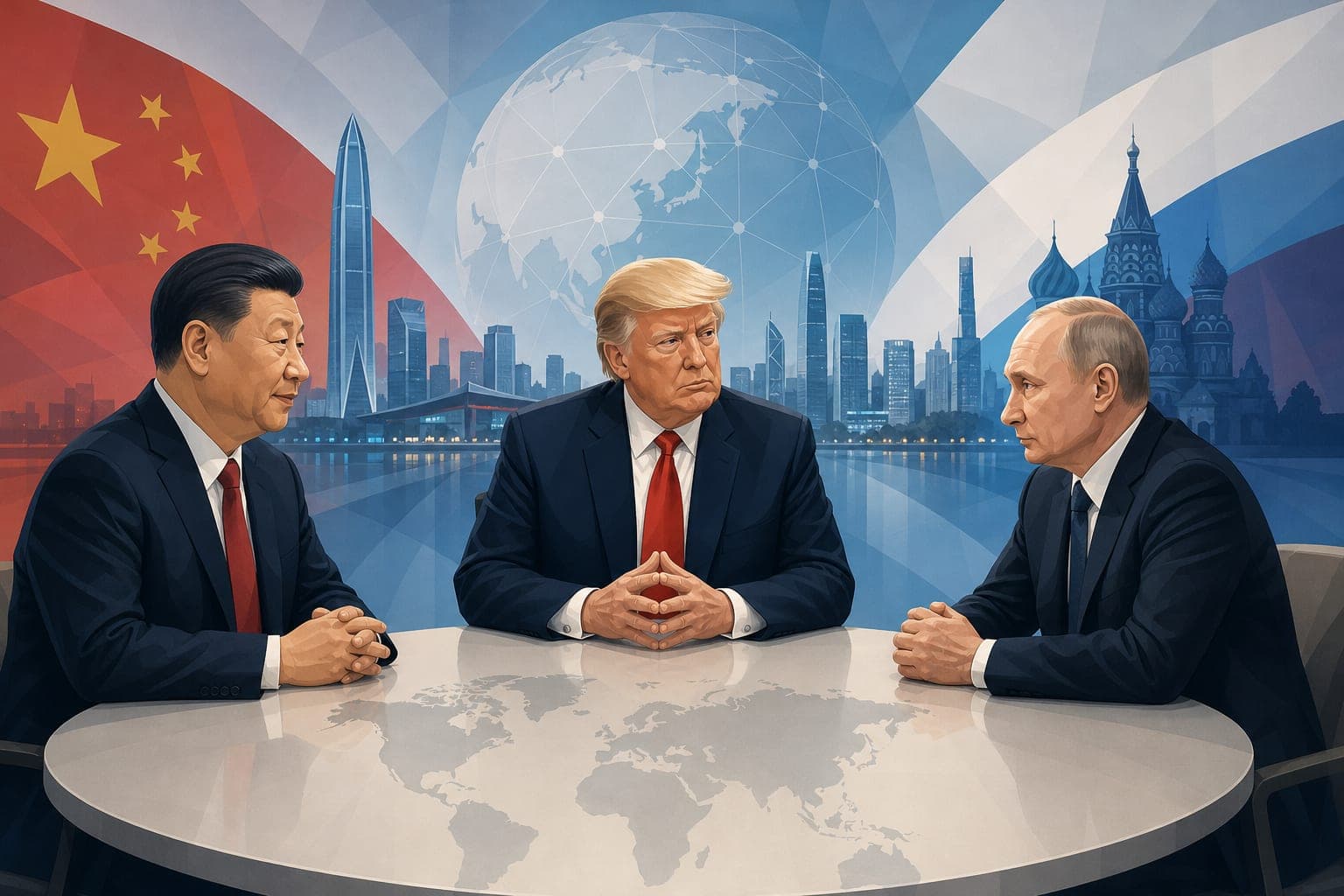
Seldom has a US president entered a major diplomatic arena under such constrained domestic circumstances. President Trump arrived in China this week for the APEC summit in Shenzhen. He faces Chinese President Xi Jinping and Russian leader Vladimir Putin in a historic trilateral meeting. The encounter marks the first time these three leaders have convened jointly. Analysts suggest Trump's weakened political standing could undermine his negotiating leverage considerably.
The summit's formal agenda centers on nuclear non-proliferation, a priority Trump has championed publicly. However, trade policy and tariff negotiations remain the pivotal concerns for global markets. The US-China trade truce, extended to January 2027, hangs in the balance at Shenzhen. Rare earths, advanced semiconductor exports, and bilateral tariff frameworks will likely dominate sideline discussions. For Xi, hosting the summit confers strategic prestige as a broker among rival powers.
Trump's domestic setback has been unequivocal. Democrats seized both the House and Senate in the midterm elections. Approximately two-thirds of voters indicated that Trump's tariff policies had damaged the economy. The political repudiation stripped the president of his legislative majority for his remaining two years. Markets responded swiftly, with the dollar weakening and Treasury yields declining after the results.
The geopolitical implications of a diminished presidency are far-reaching. Analysts warn that Trump, with curtailed domestic authority, may pivot toward more assertive foreign policy. Putin stands to benefit from the trilateral format, projecting diplomatic relevance while sidelining the Ukraine conflict. Meanwhile, China has positioned itself as a steadfast advocate of open trade. This posture contrasts sharply with Washington's increasingly protectionist stance under tariff-driven policies.
For global investors, the Shenzhen summit presents both opportunities and considerable uncertainty. A substantive agreement on tariff reduction could reinvigorate stalled supply chains across the Asia-Pacific region. Conversely, a breakdown in negotiations might exacerbate existing market volatility and inflationary pressures. The outcome will signal whether multilateral cooperation can withstand the strain of competing national interests. Stakeholders worldwide are watching Shenzhen with cautious anticipation.