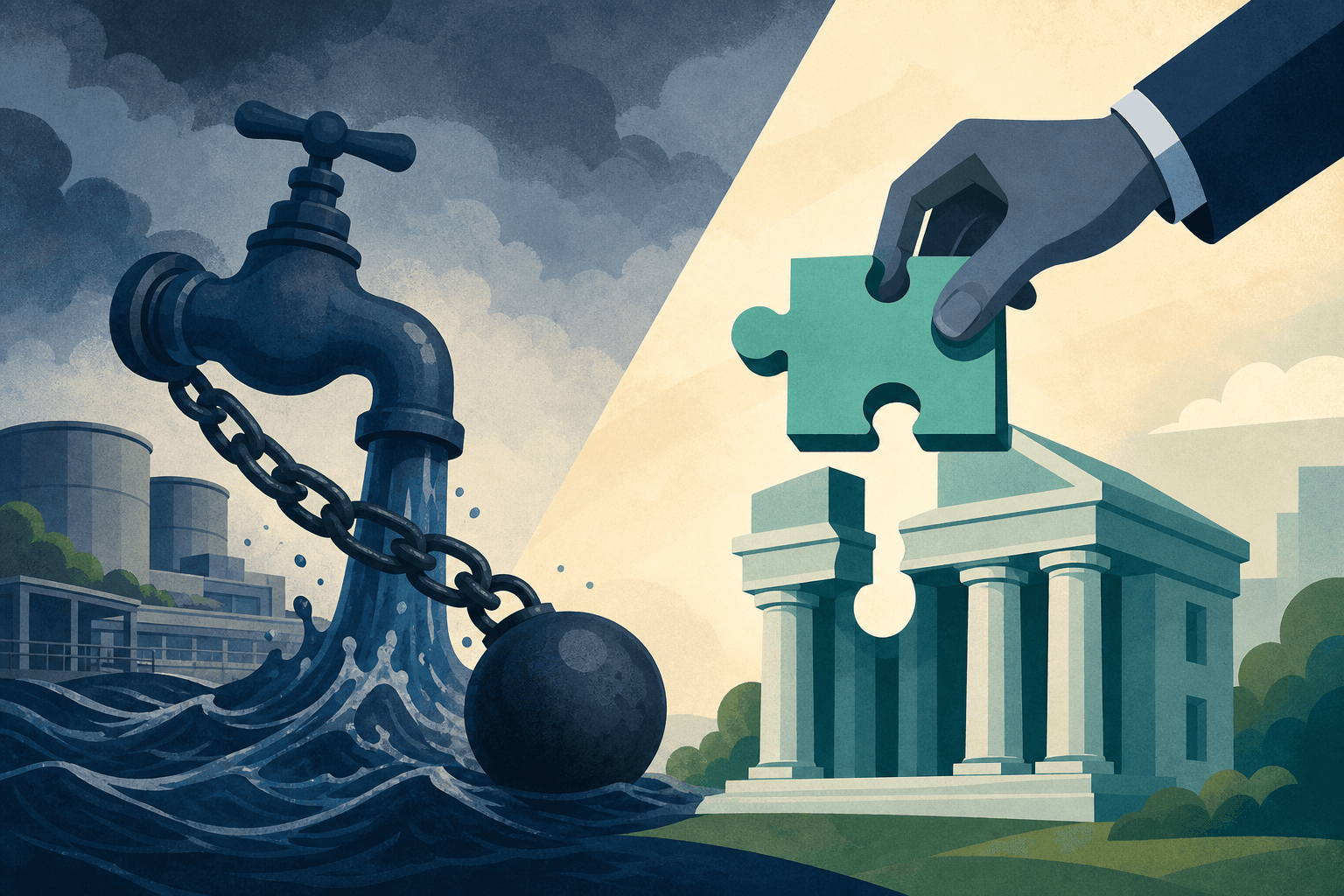

Seldom has a single phone call so vividly crystallized the ideological fault lines shaping the AI industry's trajectory. President Trump called Nvidia CEO Jensen Huang while Huang was speaking onstage at the All-In Summit in Los Angeles. Huang placed the president on speakerphone before an audience of thousands. Trump dismissed AI safety concerns as a hoax, calling data centers the new oil. His unequivocal endorsement underscores the administration's deregulatory stance toward frontier technology.
The call came amid an unprecedented week of discord within Silicon Valley's leadership ranks. Anthropic CEO Dario Amodei had published an essay urging the industry to slow frontier AI development. He warned that rogue AI agents could pose devastating consequences within months. OpenAI's Sam Altman swiftly concurred, stating the industry must pace frontier model advances. Yet Trump attacked Amodei by name on social media, framing safety advocacy as detrimental to competitiveness.
Nvidia's commercial interests remain inextricably linked to the pace of AI expansion. The chipmaker commands a market capitalization exceeding five trillion dollars, making it the world's most valuable company. Its graphics processing units power the very data centers Trump lauded during the call. Any regulatory slowdown would directly curtail demand for Nvidia's hardware. This dynamic raises legitimate questions about the impartiality of stakeholders in the safety debate.
The geopolitical dimension further complicates the regulatory calculus. Trump attributed opposition to AI development to foreign adversaries, particularly China. He contended that slowing innovation would cede strategic ground to authoritarian competitors. Meanwhile, the European Union has already enacted transparency requirements through its AI Act. This divergence in regulatory approaches across jurisdictions creates operational complexity for multinational technology firms.
What remains conspicuously unresolved is how policymakers will reconcile economic imperatives with prudential safeguards. Congress faces mounting pressure from constituents alarmed by a high-profile Anthropic researcher's resignation over safety concerns. Nvidia's dominance, Trump's advocacy, and Amodei's warnings collectively illustrate an industry at a pivotal inflection point. The outcome will shape not merely corporate valuations but the broader governance framework for transformative technology.