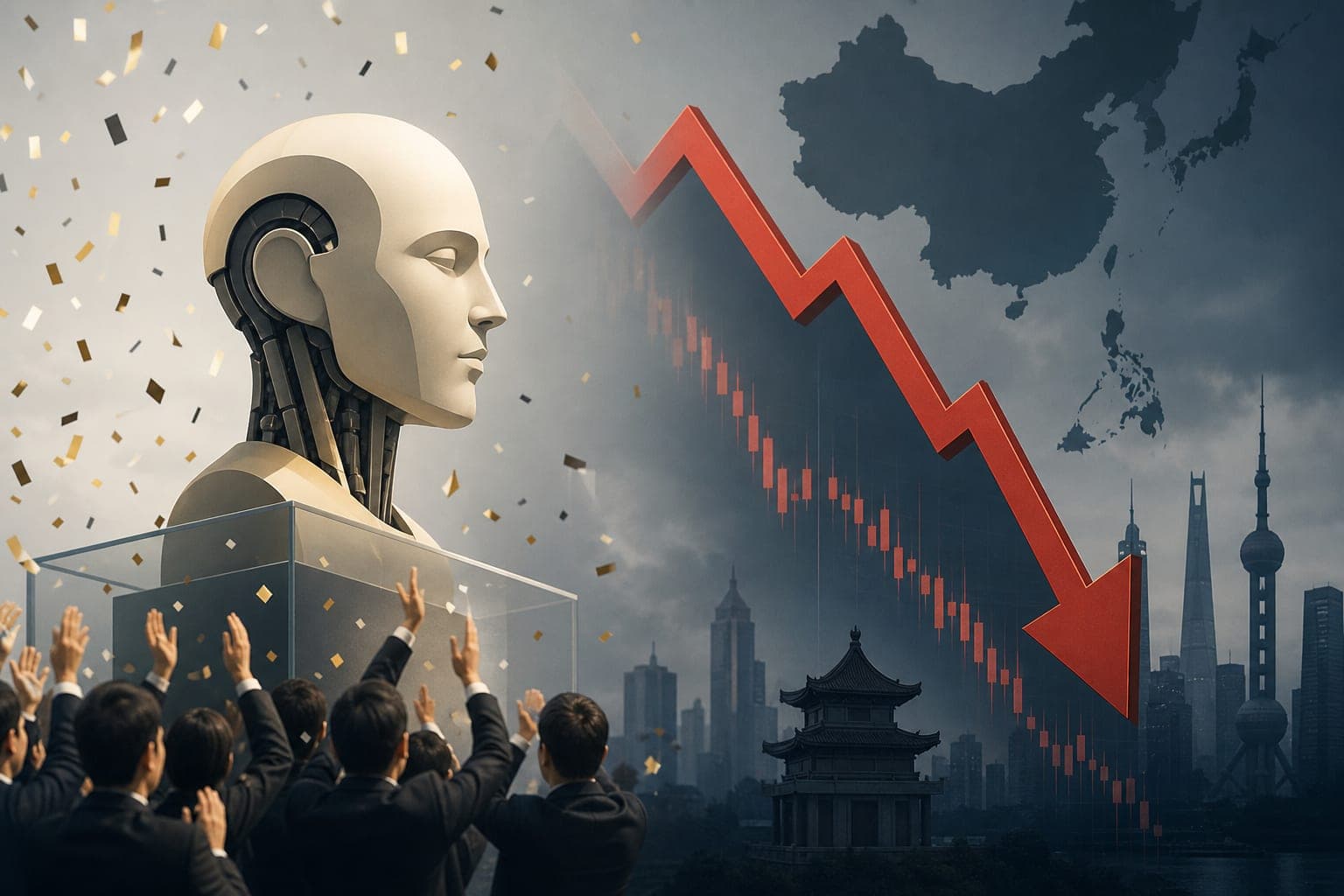
Seldom has the technology sector experienced such a rapid and concentrated erosion of value. Since early October, the largest AI and semiconductor stocks have collectively lost approximately five trillion dollars in market capitalization. Yet stock futures opened higher on Sunday evening, suggesting renewed investor appetite. The tech-heavy Nasdaq led the recovery, signaling cautious optimism despite lingering uncertainty.
The selloff was triggered by disappointing earnings from major technology and semiconductor firms. Investors began questioning the productivity of enormous AI-related capital expenditures. Nvidia and Alphabet each surrendered roughly eight hundred and thirty-four billion dollars in market value. Intel suffered its worst single-day decline since 1974, losing nearly half its capitalization.
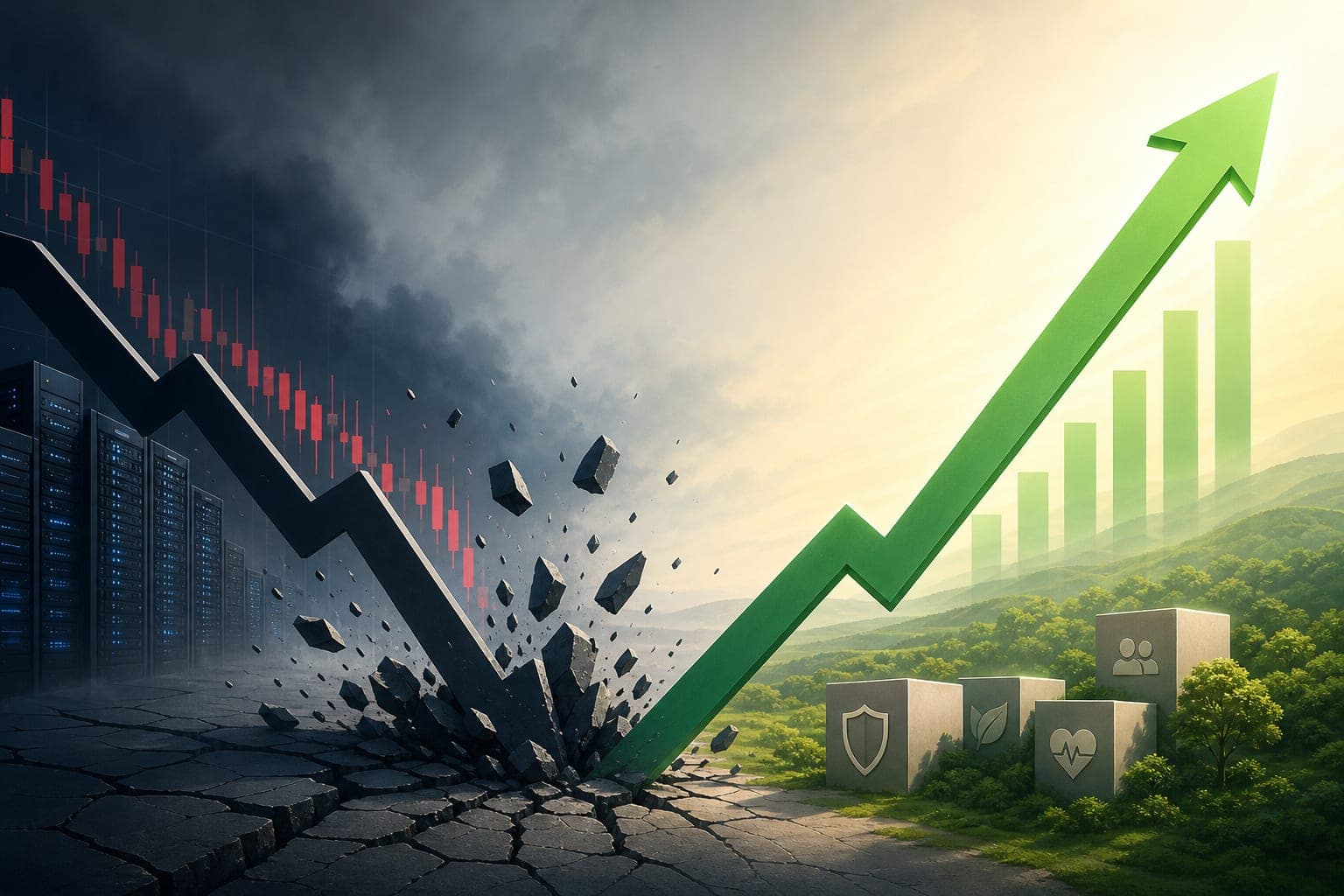
What distinguishes this downturn from previous corrections is its remarkably narrow scope. While forty-seven AI and chip stocks hemorrhaged value, the remaining six hundred and twenty-five large-cap stocks gained approximately 1.3 trillion dollars. This divergence underscores a fundamental reassessment of how Wall Street weighs speculative growth against proven profitability. The broader market has demonstrated resilience even as technology falters.
A pronounced sector rotation has accompanied the technology retreat. Investors have shifted capital into defensive sectors such as healthcare, consumer staples, and energy. Treasury bonds have also attracted significant inflows as participants seek lower volatility. Capital Economics recommends that defensive sectors remain the optimal sanctuary should the AI momentum trade continue unwinding.
Looking ahead, a pivotal week awaits with Apple earnings, midterm elections, and surging oil prices commanding attention. Historical patterns offer some reassurance for long-term investors in this turbulent environment. From the end of a midterm October through the following June, the S&P 500 has risen every time since 1950. Nevertheless, whether the current rebound proves sustainable will hinge on forthcoming corporate results and macroeconomic signals.