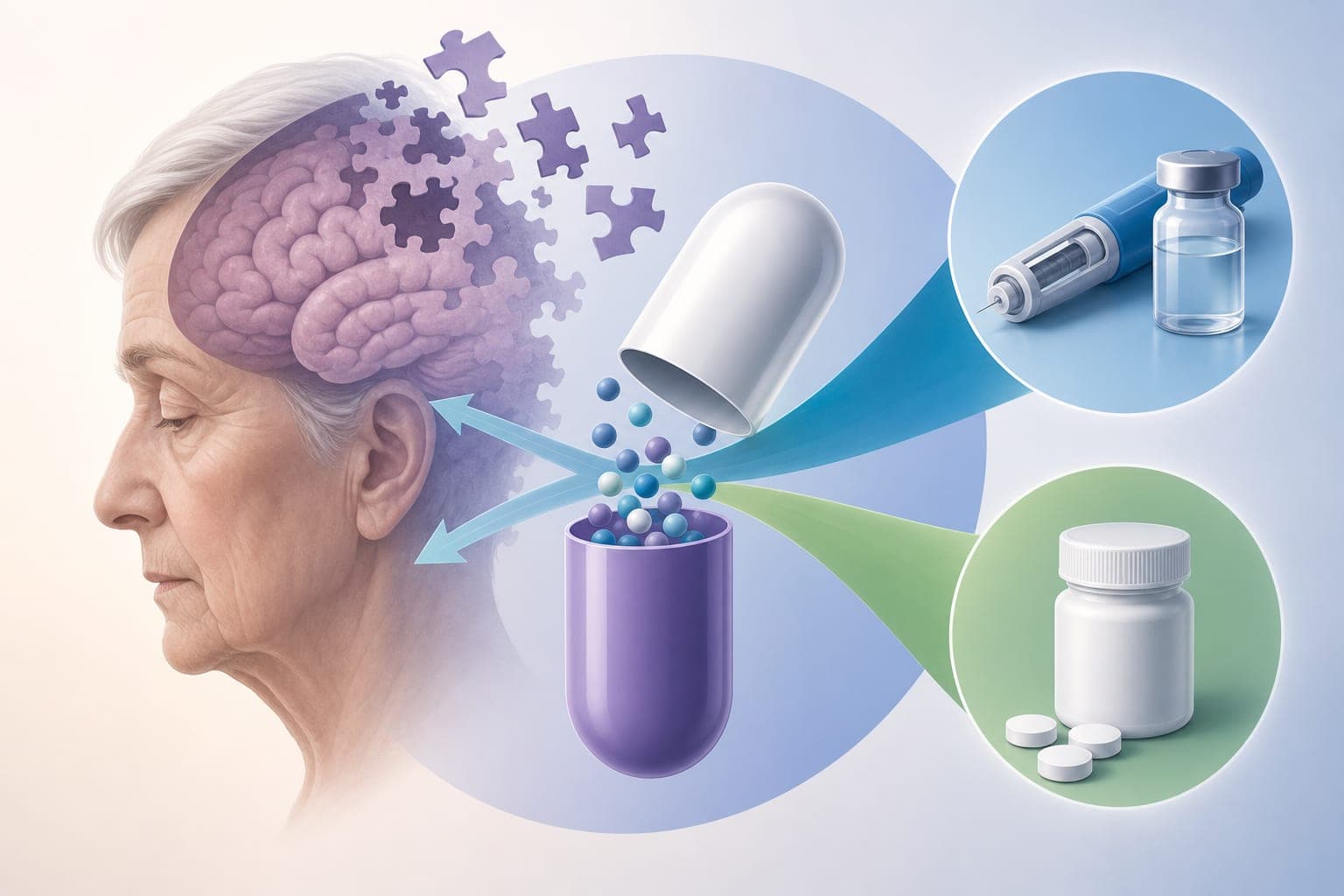
Seldom has a single clinical trial generated such optimism in the field of dementia research. A pioneering study launched in the United Kingdom seeks to determine whether medicines already approved for other conditions could slow the progression of Alzheimer's disease. The trial, designated AD-SMART, represents a paradigm shift in how researchers evaluate potential treatments. Its innovative design could fundamentally alter the trajectory of Alzheimer's drug development.
AD-SMART, which stands for Alzheimer's Disease Systematic Multi-arm Adaptive Randomised Trial, is led by the UK Dementia Research Institute and Alzheimer's Research UK. Researchers have begun recruiting 1,200 participants who have received a confirmed Alzheimer's diagnosis. Patients will be randomly assigned to receive either a placebo, the ADHD drug atomoxetine, or the diabetes drug metformin. Atomoxetine targets noradrenaline, a brain chemical that regulates attention, memory, and stress responses. Metformin may inhibit harmful brain inflammation through specific biological pathways.
What distinguishes this approach from conventional trials is its multi-arm platform design. Rather than evaluating treatments individually over prolonged periods, the trial tests multiple drugs simultaneously against a single placebo group. This adaptive framework allows ineffective drugs to be dropped swiftly and replaced with new candidates. Experts anticipate that this methodology could more than halve the evaluation time. The design draws upon successful precedents established in cancer and motor neurone disease research.
The rationale for repurposing existing medications is both scientifically and economically compelling. Approved drugs already possess established safety profiles, which substantially reduces the time and cost of clinical trials. Furthermore, repurposed treatments are considerably cheaper than newly developed Alzheimer's drugs such as lecanemab and donanemab. Those newer therapies have demonstrated efficacy in slowing disease progression yet were rejected for NHS use on cost grounds. Drug repurposing thus offers a pragmatic alternative pathway.
The urgency of this endeavour cannot be overstated. Alzheimer's disease affects approximately 600,000 people in the United Kingdom alone. Globally, an estimated 55 million individuals are living with dementia, and this figure is projected to rise dramatically. The evaluation of the initial drug pair is expected to conclude by 2030. Should these repurposed medications prove effective, they could provide accessible treatment options for millions of patients worldwide.