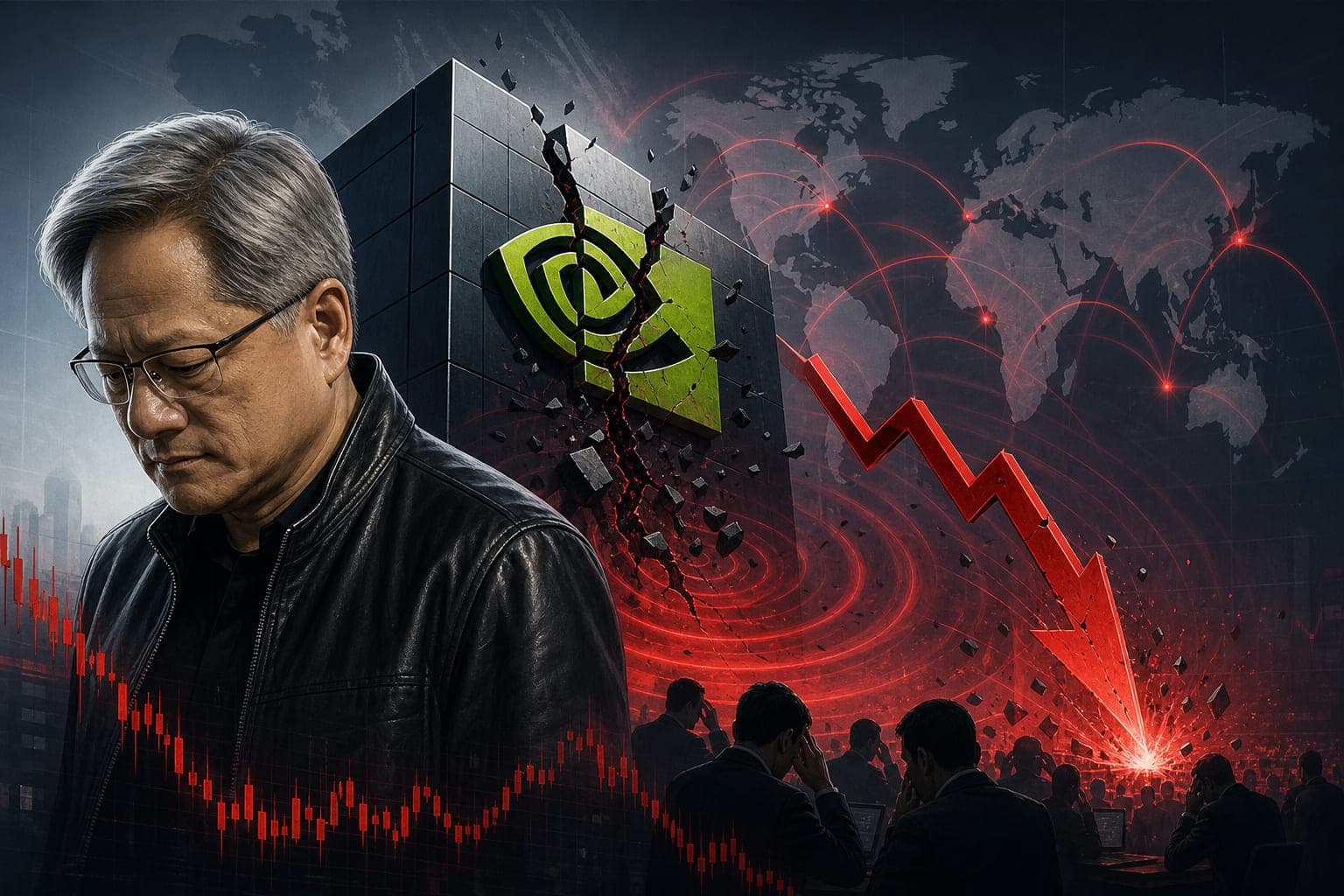
Seldom has a single corporate event reverberated through financial markets with such magnitude. Jensen Huang's resignation as Nvidia CEO on November 12 precipitated an unprecedented sell-off. Nvidia shares plunged approximately fourteen percent, wiping out over six hundred billion dollars in market capitalization. The decline represented the largest single-session loss of market value for any stock on record. Stock futures subsequently recovered, signaling cautious optimism among institutional investors.
The turmoil stemmed from an espionage scandal that had been intensifying for weeks. Reports emerged that Huang maintained a relationship with an alleged Chinese intelligence operative. Nvidia's board launched an independent investigation before ultimately ousting its co-founder. CFO Colette Kress was appointed interim CEO while the board conducts a comprehensive search for permanent leadership. The abrupt transition has left employees and stakeholders grappling with profound uncertainty about the company's trajectory.
The contagion effect extended well beyond Nvidia itself. Semiconductor stocks declined broadly, with AMD falling sharply in sympathy. The Nasdaq-100 index shed substantial value as the broader technology sector experienced heightened volatility. Nvidia's market capitalization, which peaked near 5.8 trillion dollars in October, has now contracted below four trillion. At least seven Wall Street firms downgraded the stock, reflecting deteriorating sentiment across the analyst community.
What distinguishes this episode is the systemic risk posed by Nvidia's outsized market influence. As a lynchpin of the artificial intelligence infrastructure boom, Nvidia's fortunes directly affect investor confidence in the entire sector. The company's woes have raised pertinent questions about pending AI-related public offerings. Furthermore, the scandal underscores the governance vulnerabilities inherent in founder-led enterprises with concentrated leadership dependencies. Congressional committees have already summoned Huang to testify regarding national security implications.
Looking ahead, Nvidia's upcoming earnings report on November 17 may provide crucial clarity on the company's fundamentals. Some contrarian investors view the precipitous decline as a compelling buying opportunity, wagering on a rebound. Nevertheless, the overhang of regulatory scrutiny and leadership uncertainty will likely suppress valuation multiples in the near term. This episode serves as a sobering reminder that even the most formidable corporations remain vulnerable to reputational risk. Markets are ultimately governed not merely by fundamentals but by the fragile architecture of trust.