
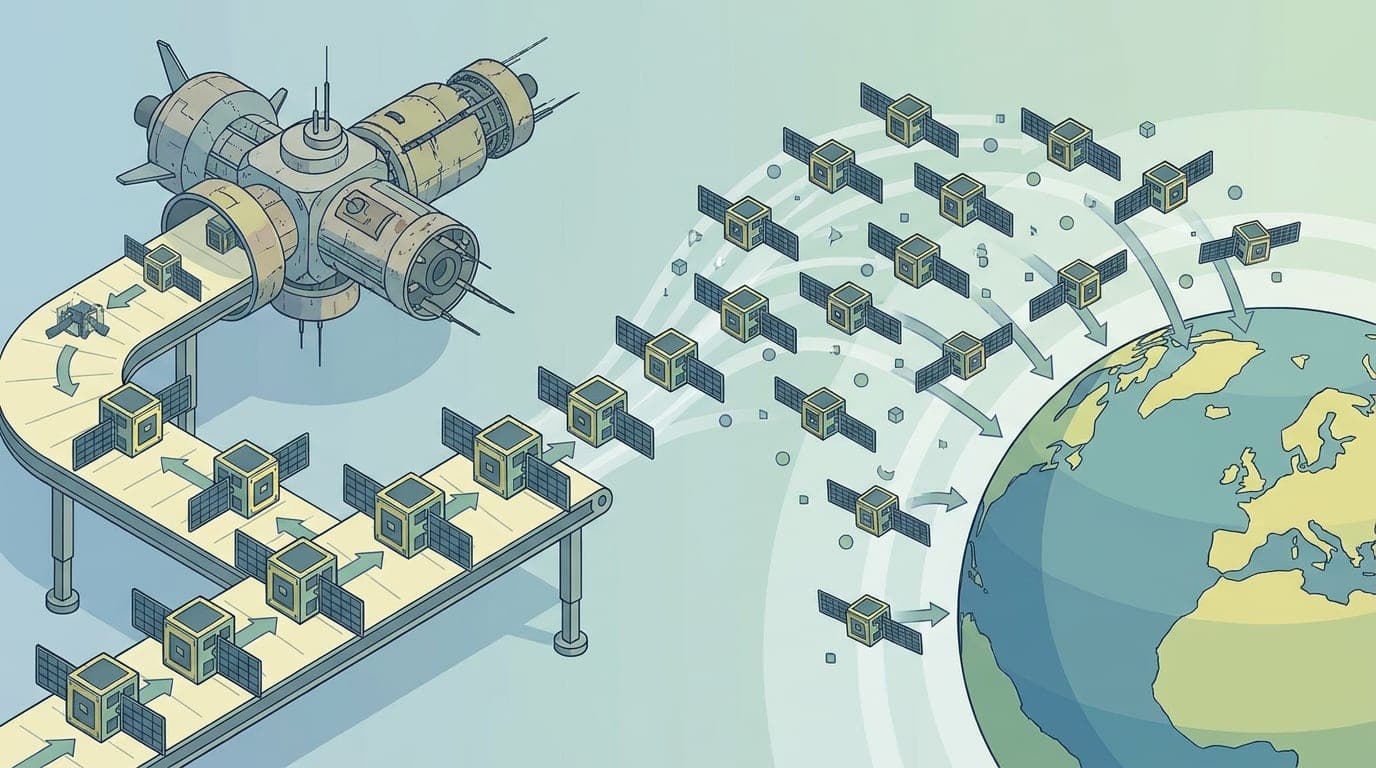
NASA's top science official has called for a fundamental change in how the agency builds spacecraft. Dr. Nicola Fox, who leads NASA's Science Mission Directorate, wants to buy satellites in bulk. Her goal is straightforward yet ambitious: get more science into space at a lower cost. She currently oversees approximately one hundred active NASA science missions. The idea of purchasing ten identical satellites instead of one represents a dramatic shift.
Traditionally, NASA has designed each spacecraft as a unique, custom-built machine for a specific mission. This conventional approach is extremely expensive and time-consuming. Mass production, however, could significantly reduce the cost per satellite. If identical spacecraft had been adopted earlier, NASA might have already gathered far more scientific data. Commercial companies such as SpaceX have demonstrated that building hardware in volume works effectively.
The proposal is particularly relevant to NASA's astrophysics and planetary science divisions. These fields require extensive observations across many locations in the solar system simultaneously. A fleet of identical satellites could be deployed to study multiple planets or asteroids at once. This strategy would yield unprecedented volumes of data that single missions cannot provide. NASA's annual science budget of approximately eight billion dollars must be used wisely.
This vision aligns with NASA's growing emphasis on commercial partnerships and innovative service models. The agency has increasingly relied on private companies to provide transportation and other services. By embracing mass production, NASA could accelerate its scientific objectives considerably. Had the agency pursued this strategy sooner, numerous discoveries might have been achieved already. The coming years will reveal whether this ambitious approach can transform space exploration.