
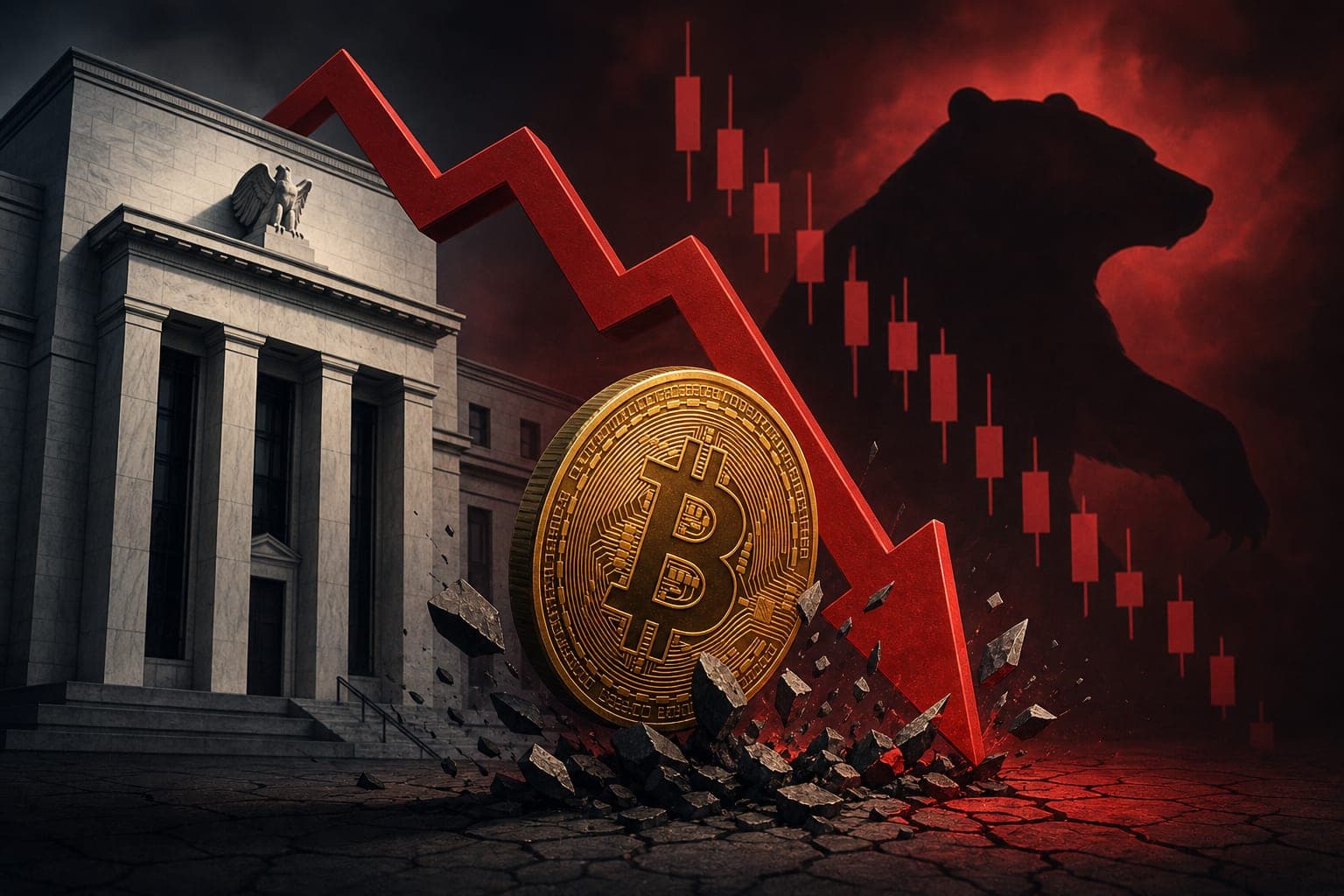
Seldom has a Federal Reserve signal precipitated such a dramatic reversal in cryptocurrency market sentiment. Bitcoin plunged toward $70,000 in mid-November 2026, erasing weeks of gains. The catalyst was a confluence of hawkish rhetoric from Fed officials and hotter-than-expected inflation data. Fed Governor Christopher Waller openly advocated a 50-basis-point rate hike at the December meeting. This pronouncement amplified fears that tightening monetary policy would further undermine risk assets.
The magnitude of the sell-off has been staggering by any measure. More than $1.15 billion in leveraged cryptocurrency positions were liquidated within a single 24-hour period. Approximately $1.04 billion of those forced closures involved long positions, revealing overwhelmingly bullish positioning beforehand. Bitcoin fell to $72,735 on Binance, marking its weakest level since August. Ethereum, Solana, and XRP suffered even steeper percentage declines across the same period.
CME FedWatch data now reflects a 100% probability of a rate hike at the December 9 meeting. Markets assign a 90.8% chance of a 25-basis-point increase and a 9.2% chance of a larger move. These probabilities have shifted markedly from just weeks earlier, when a hold remained plausible. Fed Chair Kevin Warsh has refrained from offering explicit forward guidance, yet his commitment to price stability is unequivocal.
The interplay between Federal Reserve policy and Bitcoin valuations has become increasingly pronounced throughout 2026. Bitcoin declined from its all-time high near $126,000 to below $73,000 as the Fed pivoted toward tightening. Institutional investors have withdrawn approximately $1.88 billion from spot Bitcoin ETFs during the first eight trading days of November. Such capital outflows underscore diminishing risk appetite among sophisticated market participants confronting a restrictive monetary environment.
Looking ahead, traders now price a higher chance of Bitcoin finishing below $70,000 by Christmas than above $80,000. Forthcoming data releases, including jobless claims and producer price figures, could either exacerbate or attenuate current bearish momentum. Should inflation moderate, Bitcoin may find a floor and stabilise. Nevertheless, the prevailing consensus suggests that until the Fed signals a definitive policy pivot, downward pressure on digital assets will persist.