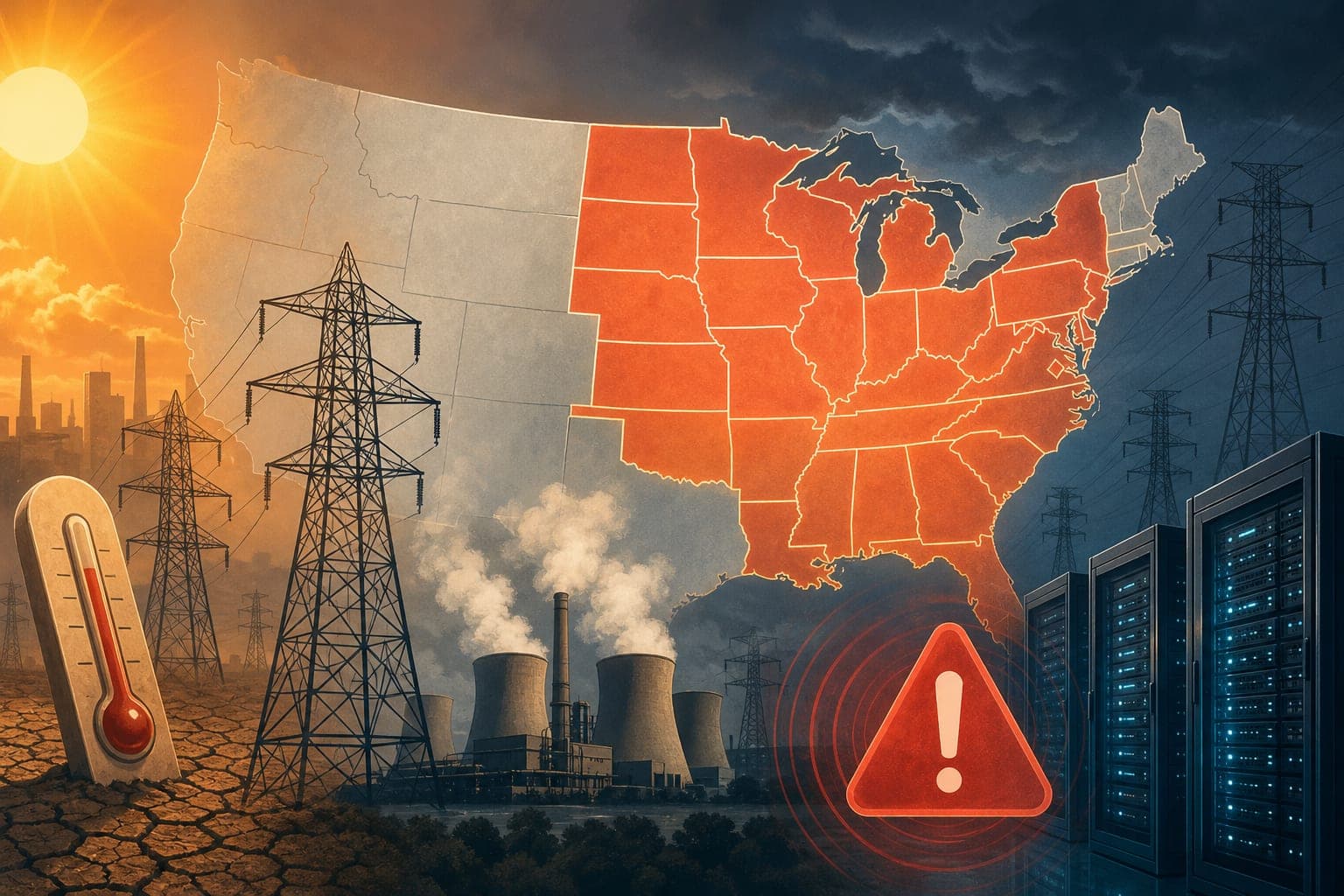
Seldom has the fragility of American energy infrastructure been so starkly exposed. On October 12, 2026, the U.S. Department of Energy issued an emergency order covering PJM Interconnection's vast territory. The directive, effective from October 13 through October 16, sought to mitigate the risk of widespread power outages. PJM, the nation's largest grid operator, coordinates electricity transmission across thirteen states and Washington, D.C. Approximately sixty-seven million people depend on its network for reliable power.
The precipitating factors behind the emergency were threefold. Unseasonably warm autumn temperatures drove electricity demand far beyond typical October levels. Simultaneously, numerous power plants had been taken offline for routine seasonal maintenance. PJM projected that demand could reach approximately 111,500 megawatts, while generation outages exceeded sixty thousand megawatts. By Wednesday, the operator anticipated coming within 900 megawatts of its reserve margin.
Energy Secretary Chris Wright invoked Section 202(c) of the Federal Power Act to authorize the emergency measures. The order permitted PJM to dispatch designated generating units and tap backup power sources as a last resort. Data centers and large industrial facilities could be directed to activate their own backup generators. Notably, PJM emphasized that the precautionary measures did not necessitate any action from residential customers.
The crisis has illuminated a more profound structural challenge confronting the nation's electricity system. Data centers, fueled by the rapid expansion of artificial intelligence, represent the predominant source of escalating demand. Electricity consumption from such facilities is projected to triple to twenty-nine gigawatts by 2030. New generation capacity and transmission infrastructure simply cannot be constructed at a commensurate pace. Had investment in grid modernization been prioritized earlier, the current predicament might have been averted.
This episode compels a fundamental reassessment of how the United States manages its energy resources. The convergence of climate unpredictability, aging infrastructure, and unprecedented demand growth has rendered traditional planning assumptions obsolete. Policymakers must reconcile the imperative of technological advancement with the obligation to maintain grid reliability. Whether through regulatory reform or accelerated infrastructure investment, the path forward demands decisive and coordinated action.