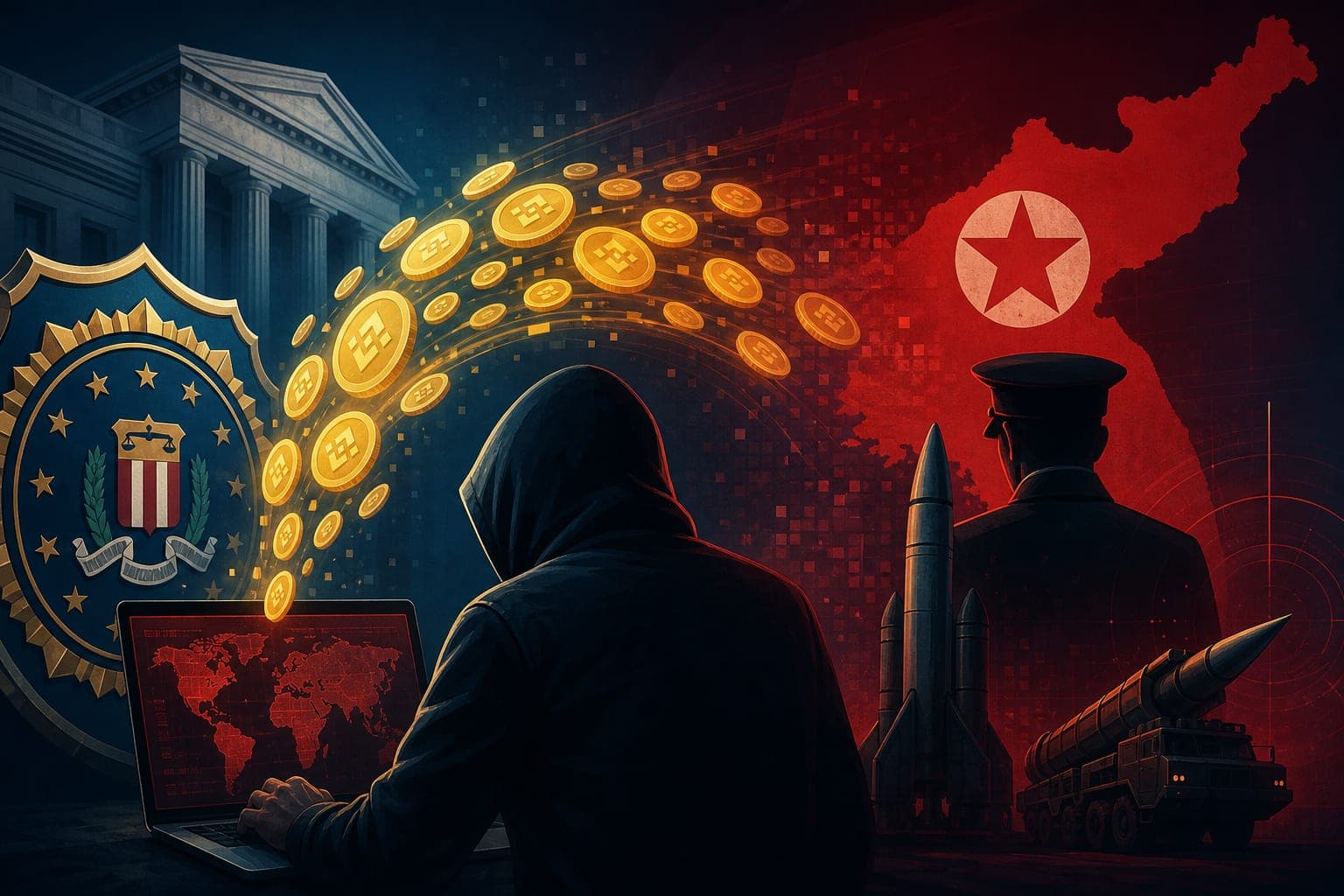
Seldom has the cryptocurrency industry confronted a security breach of such unprecedented magnitude. On October 29, 2026, hackers infiltrated Binance, the world's largest crypto exchange by daily trading volume. Within approximately twenty minutes, they siphoned more than $6.3 billion in digital assets. The FBI subsequently attributed this brazen heist to TraderTraitor, a North Korean state-sponsored hacking unit.
What distinguishes this incident from prior exploits is both its staggering scale and the velocity of execution. Researchers at Chainalysis observed laundering patterns never previously encountered in the sector. Thousands of automated transactions were deployed to obscure the trail of stolen funds. Approximately $3 billion in stablecoins was frozen by issuers such as Tether and Circle shortly after the breach.
Binance moved swiftly to mitigate the fallout, suspending all user withdrawals immediately following the attack. The exchange pledged to absorb the financial impact, drawing upon its Secure Asset Fund for Users. By the weekend, Binance announced it had replenished ninety percent of the stolen assets using corporate reserves. Phased withdrawals resumed on Sunday, beginning with the Bitcoin network.
The geopolitical ramifications of this heist extend well beyond the cryptocurrency sector. Analysts estimate that stolen digital assets now constitute a substantial revenue stream for Pyongyang's nuclear and missile programs. The U.S. intelligence community has assessed that North Korea generates at least one billion dollars annually through cybercrime. This incident underscores how state-sponsored actors exploit regulatory gaps in decentralized finance.
For institutional stakeholders, the Binance breach serves as a sobering reminder of systemic vulnerabilities inherent in digital asset infrastructure. Industry leaders must now recalibrate their cybersecurity frameworks to address increasingly sophisticated threat vectors. Had more robust safeguards been in place, the magnitude of losses could have been substantially curtailed. The incident will likely accelerate regulatory scrutiny and reshape risk assessment across the sector.