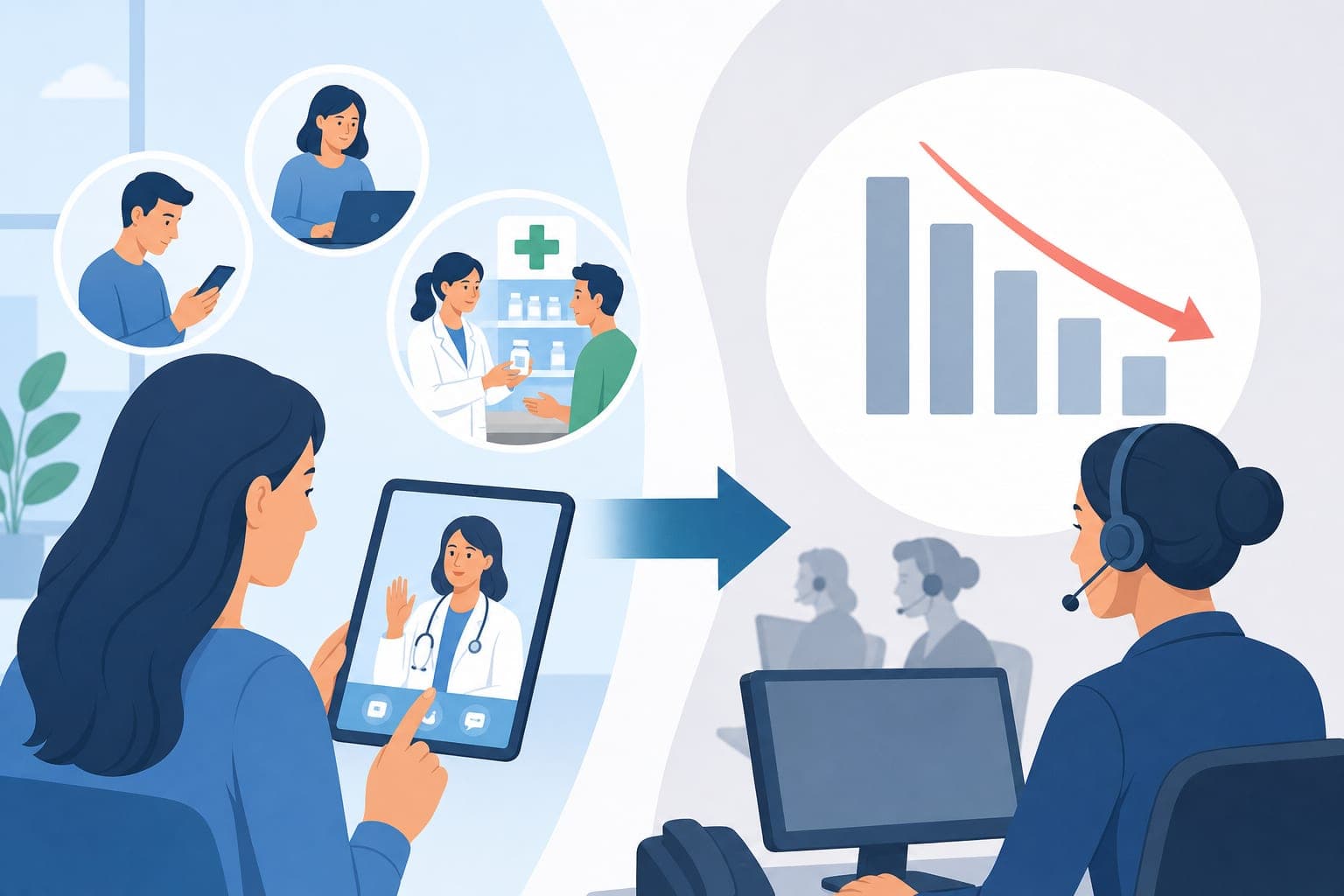
Seldom has a policy shift in healthcare yielded such measurable results. England's Care Quality Commission has reported that calls to the NHS 111 helpline have fallen substantially. In 2025/26, the service received fewer than 19.9 million calls, a drop of 85,000 from the previous year. The regulator attributes this decline to patients increasingly contacting their GP practices through online tools. Additionally, the national Pharmacy First scheme has diverted patients away from emergency lines.
Central to this transformation is the mandate requiring GP practices to keep online consultation systems open during core hours. Since this requirement took effect in October 2025, digital engagement has surged dramatically. The volume of online requests to GP practices rose by 67 percent between March 2025 and March 2026. Furthermore, three quarters of patients now report that contacting their GP is easy, compared with two thirds in 2024. These figures underscore a fundamental shift in how patients access primary care.
The Pharmacy First initiative has also played a pivotal role in alleviating pressure on the system. Launched in January 2024, the scheme enables pharmacists to treat seven common conditions without a GP referral. Since its inception, the service has provided approximately 14 million consultations across England. By allowing patients to obtain treatment for ailments such as sore throats and infections locally, the programme reduces unnecessary calls.
Despite these encouraging developments, the CQC's assessment reveals persistent challenges within primary care. Staffing shortages remain a significant concern, particularly in underperforming practices. Inspection reports from practices rated as inadequate showed that gaps in staffing led to increased workloads. Staff had less time for essential training, and patients experienced longer waits for appointments. Regional disparities in workforce distribution further compound these difficulties.
Nevertheless, the overall trajectory suggests that digital solutions are enhancing healthcare accessibility in England. GP appointment rates have risen by 9.7 percent since 2022/23, indicating growing capacity within the system. Had these digital reforms not been implemented, the strain on emergency services would likely have intensified. The challenge now lies in ensuring that technological progress is accompanied by adequate investment in the healthcare workforce.