Seldom has a Big Four firm faced allegations as damaging as those now confronting Deloitte. A BBC Panorama investigation has revealed that Deloitte Cyprus helped create backdated paperwork for companies linked to Russian oligarch Roman Abramovich. The falsified documents allegedly enabled the concealment of billions in assets from tax authorities. This scandal strikes at the very foundation of trust upon which professional advisory firms build their reputations.
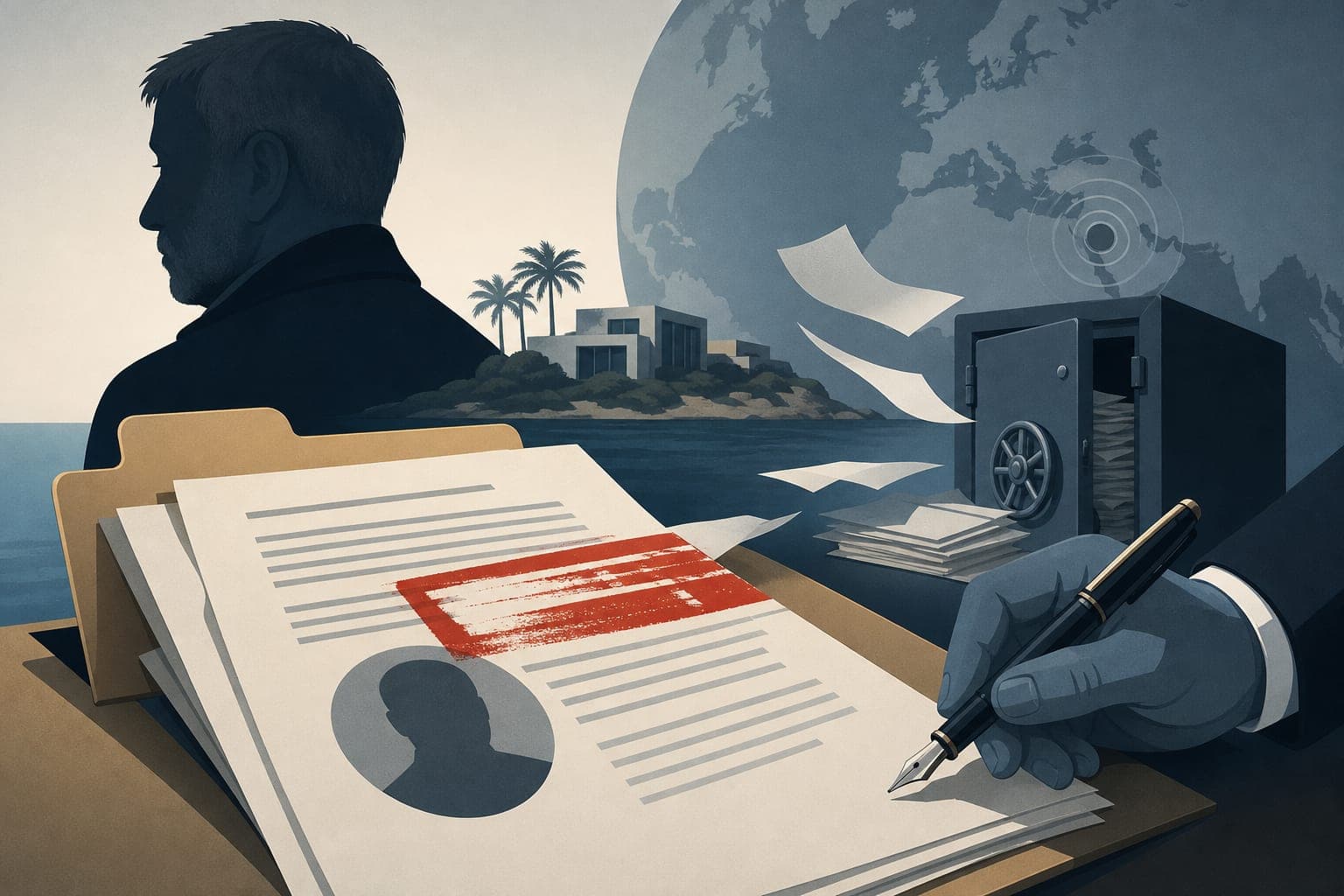
The evidence stems from a massive leak of financial records from MeritServus, a now-sanctioned Cypriot corporate services provider. Until 2005, Deloitte actually owned MeritServus. After the two entities separated, they continued to collaborate closely on managing Abramovich's global fortune. Leaked emails indicate that Deloitte reviewed backdated documents and deemed them adequate for removing assets from official accounts.
The scheme's sophistication was remarkable in its audacity. Documents were backdated by three years to fabricate the appearance of earlier asset transfers. One Cypriot entity called Electus Investments held a fortune exceeding ten billion dollars. Through falsified paperwork, this wealth was made to vanish from public records entirely. When the Cypriot company's accounts were disclosed, they showed assets of merely one hundred and forty-five thousand dollars.
Deloitte, which reported approximately seventy-four billion dollars in global revenue for fiscal year 2026, now faces severe reputational risk. The firm's Cyprus office stated that it acts in compliance with applicable laws. Abramovich's lawyers have denied that he evaded tax or concealed his fortune. Nevertheless, a senior legal expert described the scheme as straightforward tax evasion warranting prosecution.
The ramifications extend well beyond one firm or one oligarch. Cypriot lawmakers have demanded accountability and the recovery of evaded taxes. UK Members of Parliament have similarly called for a formal probe into Abramovich's offshore financial arrangements. Had regulatory oversight been more stringent, such elaborate schemes might never have proliferated. This case underscores the imperative for greater transparency in the global professional services industry.