
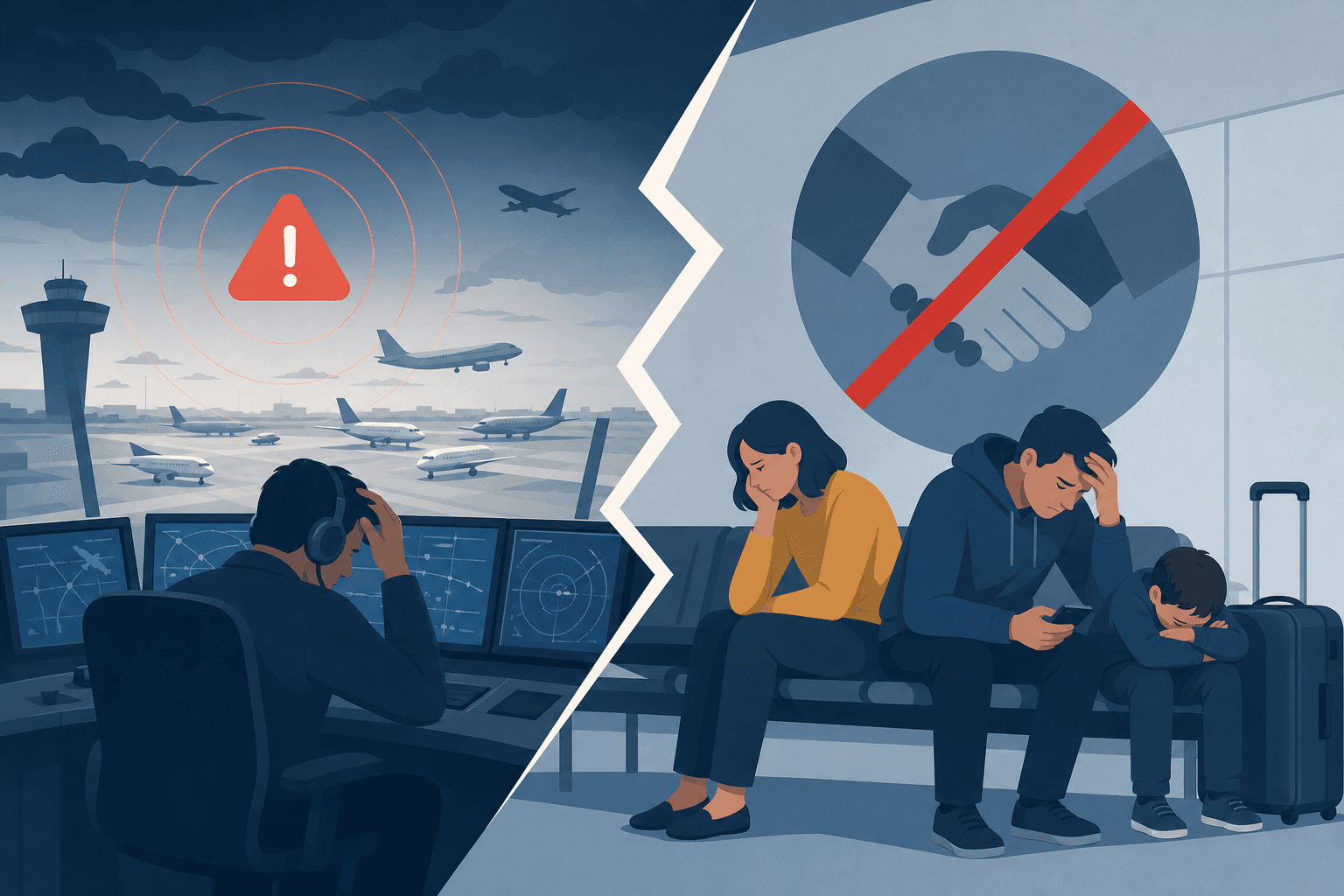
A technical failure at the UK's air traffic control provider caused major disruption this week. The fault at National Air Traffic Services affected its flight processing system on Tuesday. Hundreds of flights were cancelled at Heathrow, Gatwick, Manchester, and other airports. Airlines including Wizz Air, Ryanair, and British Airways were severely affected. The incident left hundreds of thousands of passengers stranded across the country.
The UK Civil Aviation Authority stated that passengers are unlikely to receive compensation. The regulator classified the disruption as an extraordinary circumstance under passenger rights rules. This legal classification removes airlines' obligation to pay fixed cash compensation. Under EU and UK regulations, airlines must only compensate when the cause is within their control. Air traffic control failures are considered beyond airline responsibility.
Wizz Air declared that NATS was not fit for purpose after the incident. Ryanair also demanded changes and called for the NATS chief executive to resign. Airlines argued that the current compensation system is unfair to carriers. They believe the organisation responsible for the failure should bear the financial costs. Industry body IATA estimated that the disruption could cost airlines over one hundred million pounds.
Despite no compensation, airlines must still provide care and assistance to passengers. This includes meals, accommodation, and rebooking onto alternative flights when available. The Transport Secretary has asked the CAA to conduct an independent review. The review is expected to report within six months. This incident highlights the ongoing vulnerability of centralised air traffic control systems.