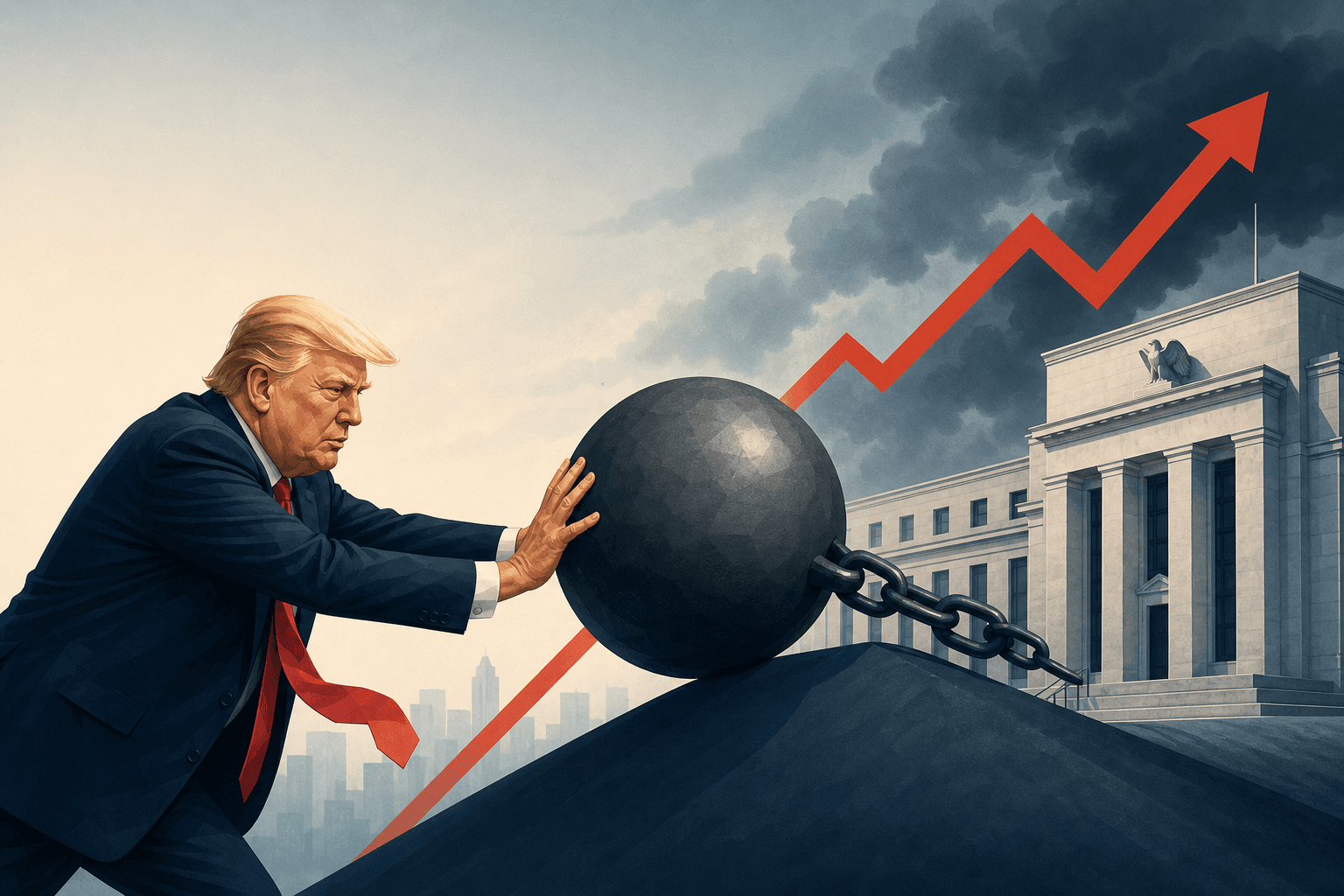
Seldom has a sitting president so openly challenged the Federal Reserve's monetary policy independence. President Trump has for months pressured the central bank to slash its benchmark interest rates. He has characterized rate cuts as essential stimulus, calling them 'Rocket Fuel' for economic growth. Yet despite his persistent advocacy, borrowing costs have moved in the opposite direction.
The Federal Reserve, now led by Trump's handpicked chair Kevin Warsh, held rates steady at 3.5% to 3.75% at its July meeting. The decision was far from unanimous, with three dissenting members favoring a rate hike. Warsh emphasized his commitment to delivering price stability amid stubbornly elevated inflation. The Core PCE Price Index accelerated from 3.0% in December 2025 to 3.4% by May 2026.
Several converging factors have undermined Trump's rate-cut aspirations. The conflict in Iran, which began in late February, has pushed oil prices sharply higher. His earlier tariff policies caused rates to spike so quickly that he was compelled to reformulate them. Additionally, bonds financing artificial intelligence data centers appear to have contributed to upward pressure on yields.
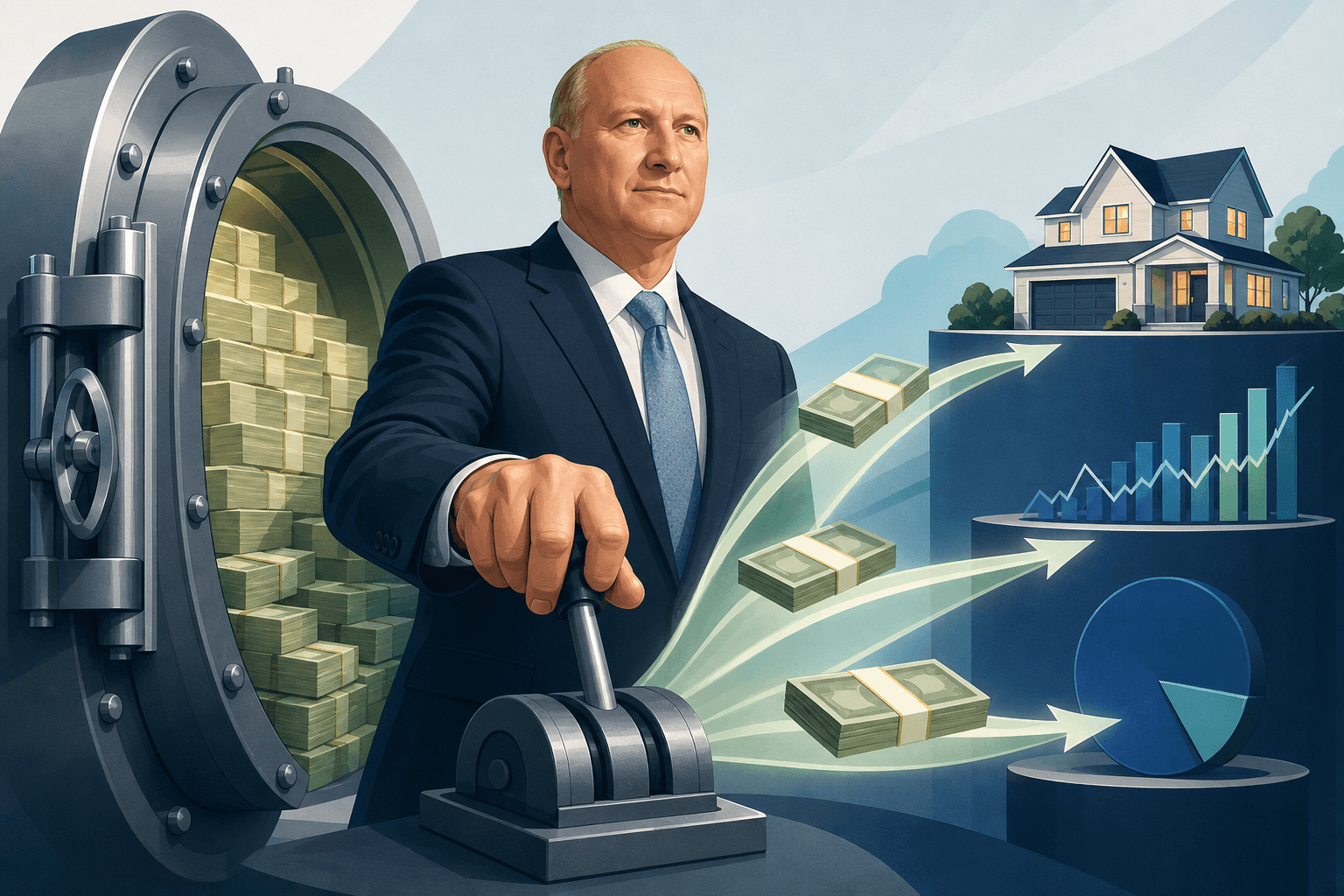
The consequences for consumers and the government alike have been considerable. Mortgage rates reached 6.66% by late July 2026, their highest level in twelve months. Fewer families can now afford mortgages or auto loans under these tighter financial conditions. Meanwhile, the federal government has spent $827 billion this fiscal year servicing the national debt alone.
The political ramifications of rising borrowing costs are becoming increasingly apparent ahead of the November midterm elections. Republicans had hoped to demonstrate clear progress on affordability for voters. However, inflation has nearly kept pace with hourly wage gains over the past twelve months. Should borrowing costs continue outpacing incomes, the electoral consequences could prove significant for the governing party.