
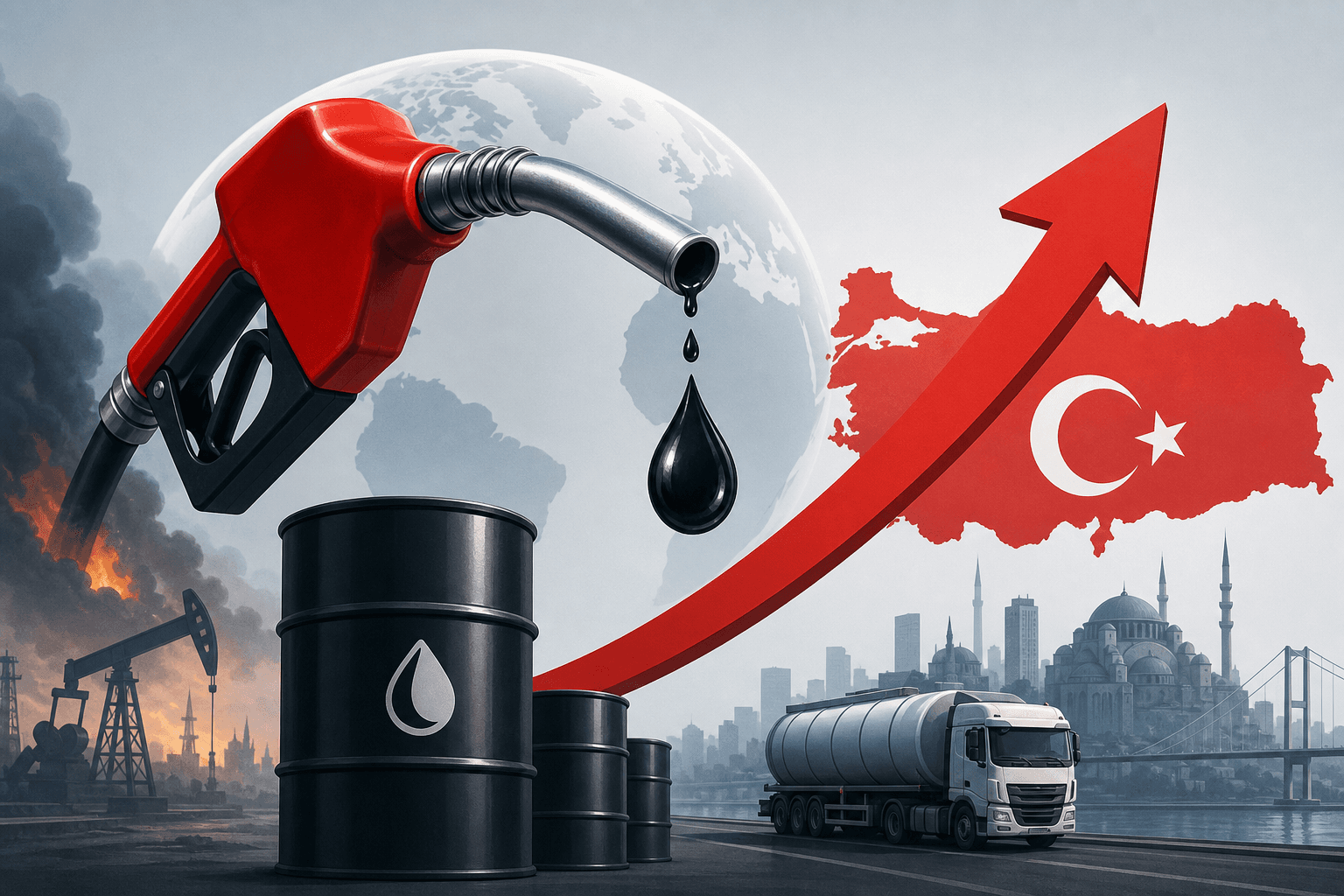
Global oil prices have been rising steadily throughout 2026. Brent crude recently reached around $91 per barrel. This represents a rise of over $25 compared to last year. The surge is mainly driven by geopolitical tensions in the Middle East. Supply disruptions through the Strait of Hormuz have tightened global markets.
Turkey, which imports most of its crude oil, has been hit hard. Fuel prices at the pump have climbed several times this year. In March, diesel prices surged by more than ten percent overnight. The government has tried to stabilize domestic fuel costs using the budget. However, rising refinery margins and exchange rate volatility continue to amplify pressure.
The broader economic impact is significant for businesses across all sectors. Transportation and logistics companies face higher operating costs each month. These costs are then passed on to consumers through more expensive goods. If oil prices remained at current levels, inflation would likely accelerate further. Analysts have reported that Turkey's annual inflation stood near 31 percent earlier this year.
Energy analysts say the outlook remains uncertain for the rest of 2026. Negotiations to reopen the Strait of Hormuz have been deadlocked for months. Meanwhile, some countries have released emergency oil reserves to calm the market. Businesses that depend on fuel should consider strategies to reduce their exposure. Diversifying energy sources would be a wise long-term investment for any company.